
Walking the Floors: My Honest Take on "Defective" Pute Shoes
Welcome to Anfu. If you are reading this, chances are you have been burned by online scams or confused by the endless chatter about "replicas" and "high copies." Let me cut through the noise. I have been standing in these concrete corridors of the Pute shoe wholesale market for over fifteen years. I know every crack in the floor tiles of Building 5, I know which shopkeeper sells the best glue, and I know exactly what happens when a pair of shoes doesn't pass the strict quality control of our factories.
First, let's clear up a massive misconception. You asked about "fixing defective shoes," but in my world, we don't really call them "defects" in the way Western consumers think. We call them "B-grade," "seconds," or "factory leftovers." When a foreign buyer asks me how to fix these, they usually mean, "How do I get these cheap, slightly flawed pairs into a sellable condition?" The truth is, most of the time, you shouldn't try to fix them yourself unless you have a workshop. But if you are looking to source them as a business, here is the real story from the inside.
The Reality of "Seconds" in the Anfu Market
What Actually Makes a Shoe "Defective"?
When I walk through the factory gates near Pute, I see thousands of pairs being assembled. Sometimes, a worker misses a tiny stitch. Other times, the glue squeezes out just a millimeter too much onto the midsole, or the color of the sole rubber is slightly off from the main batch. These are not structural failures; they are cosmetic issues. In the industry, we call these "cosmetic defects."
For an overseas buyer, seeing a picture of a shoe with a smudge might make you think it is trash. But in Pute, that same shoe can be sold at a 40% discount if you know wher to look. The problem is that many buyers try to buy these "seconds" expecting them to be perfect after a simple wash. They aren't. A factory defect often requires skilled hands to correct. If you order a pallet of "seconds" thinking you can just resell them as new, you will end up with angry customers and bad reviews. That is why understanding the grade of the shoe before you pay is critical.
On-the-Ground Sourcing: How to Spot the Real Goods
Navigating the Chaos of Building 5
If you want to find genuine stock, including those lower-grade batches, you cannot rely solely on WhatsApp or WeChat photos. Those images are often filtered, edited, or taken from different batches entirely. You need to come to Anfu. When I show my regular international clients around, the first thing we do is ignore the flashy front displays. We go straight to the back rooms.
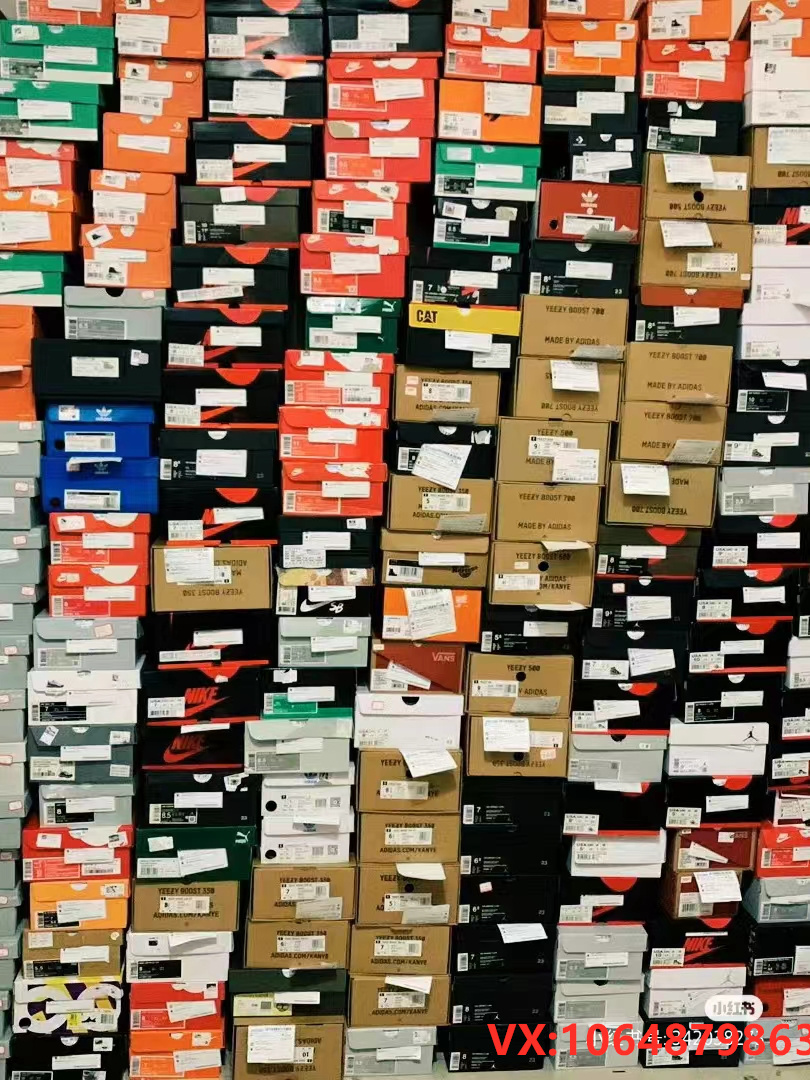
In the deeper corners of Building 5, you will find the "clearance" sections. This is wher the B-grade inventory lives. Here, you will see piles of shoes that were rejected during the final inspection. Some have loose threads, some have slight glue stains, and others have minor creasing on the toe box. As a local boss, I tell my buyers: touch the leather. Smell the glue. Look at the stitching density. If the structure is sound, the cosmetic flaw is often something a professional cobbler can handle. But if the foam is compressed or the sole separation is starting, that is a deal-breaker.
The Art of Negotiation and Quality Control
Don't Just Buy, Inspect Before You Pay
One of the biggest mistakes foreign buyers make is paying a deposit based on a video call without seeing the actual goods. In Pute, the market moves fast. What looks like a "minor defect" in a photo might be a major issue in person. When I negotiate with a supplier for a mixed batch of high-quality and seconds, I always insist on a physical inspection session.
We sit down with the warehouse manager. He pulls out three boxes. One is A-grade, one is B-grade, and one is C-grade. I run my fingers over the seams. I check the alignment of the logo. I look for any signs of poor gluing. If I am buying "seconds" to fix and resell, I need to know exactly what kind of work is involved. Is it just cleaning? Or does it require re-stitching? This conversation determines your profit margin. If you buy a shoe that needs $15 worth of labor to fix, but you only paid $20 for it, you are losing money. The key is to negotiate the price based on the actual defect rate, not the average.
Fixing the Flaws: To Repair or To Resell?
Understanding the Value of Minor Repairs
So, back to your question about fixing these shoes. In Pute, we have a whole ecosystem of repair shops right next to the wholesale markets. There are specialists who can clean glue stains, re-stitch loose hems, and even replac soles if necessary. However, I must warn you: do not attempt to fix these shoes yourself unless you have experience.
Using the wrong solvent can melt the synthetic leather. Using the wrong thread can cause the seam to burst later. For small-scale buyers, the smartest move is to buy the "seconds" at a steep discount and then hire a local repair team in Pute to bring them up to standard. We charge by the pair, and for a simple glue stain removal or thread tightening, it costs very little. once fixed, these shoes can often be sold as "A-grade" or at least as "premium seconds" with full disclosure.
But here is the hard truth: sometimes, the cost of repair exceeds the value of the shoe. If the defect is in the midsole foam or the structural integrity of the upper, no amount of glue or stitching will save it. In those cases, the only option is to sell them as "for parts" or "distressed style." This is a niche market, but it exists. Many streetwear enthusiasts actually prefer shoes with a bit of character, provided the quality is still there.
Final Advice for the Smart Buyer
My advice to anyone looking to source from Pute, especially regarding these imperfect pairs, is to build trust. Find a supplier who has been in the game for decades like me. Do not chase the lowest price; chase the transparency. Ask for unedited videos of the specific batch you are interested in. Ask to see the defect rate percentage. And never, ever skip the physical inspection if you can help it.
The Pute market is complex, filled with hidden gems and dangerous traps. But if you approach it with knowledge, respect for the craft, and a willingness to understand the reality of manufacturing, you can find incredible deals. Whether you are buying perfect A-grade sneakers or sourcing B-grade pairs to fix and resell, the key is knowing exactly what you are getting. Come to Anfu, walk the floors, talk to the bosses, and you will learn more in one day than you would in a year of scrolling through social media ads. That is the only way to win in this game.

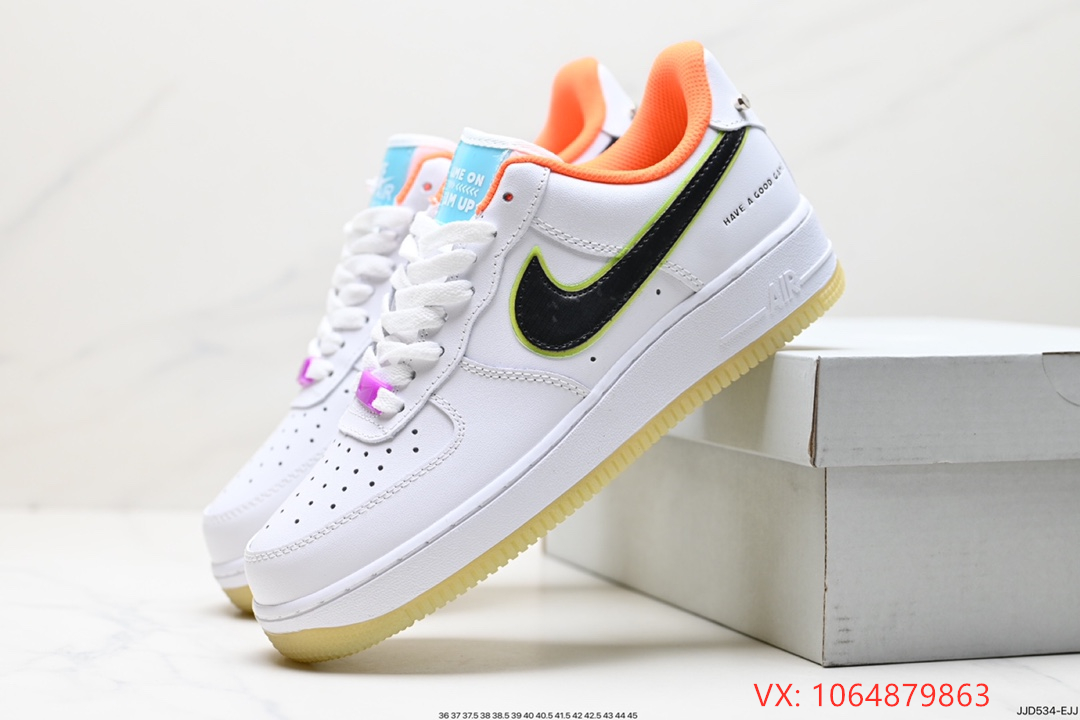
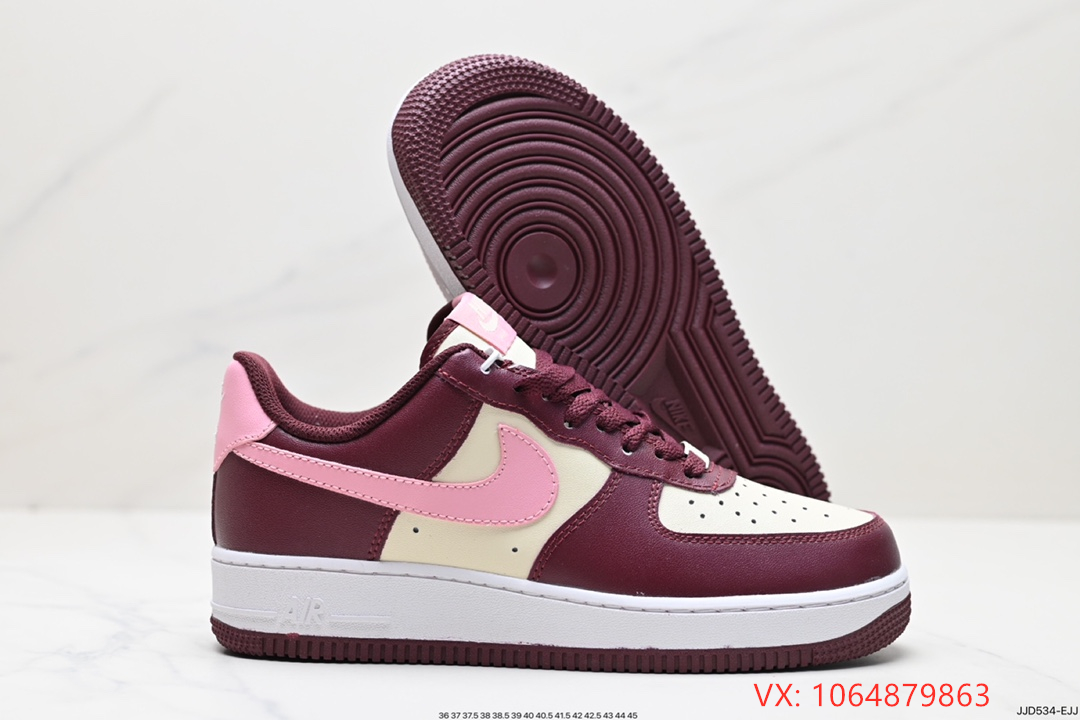
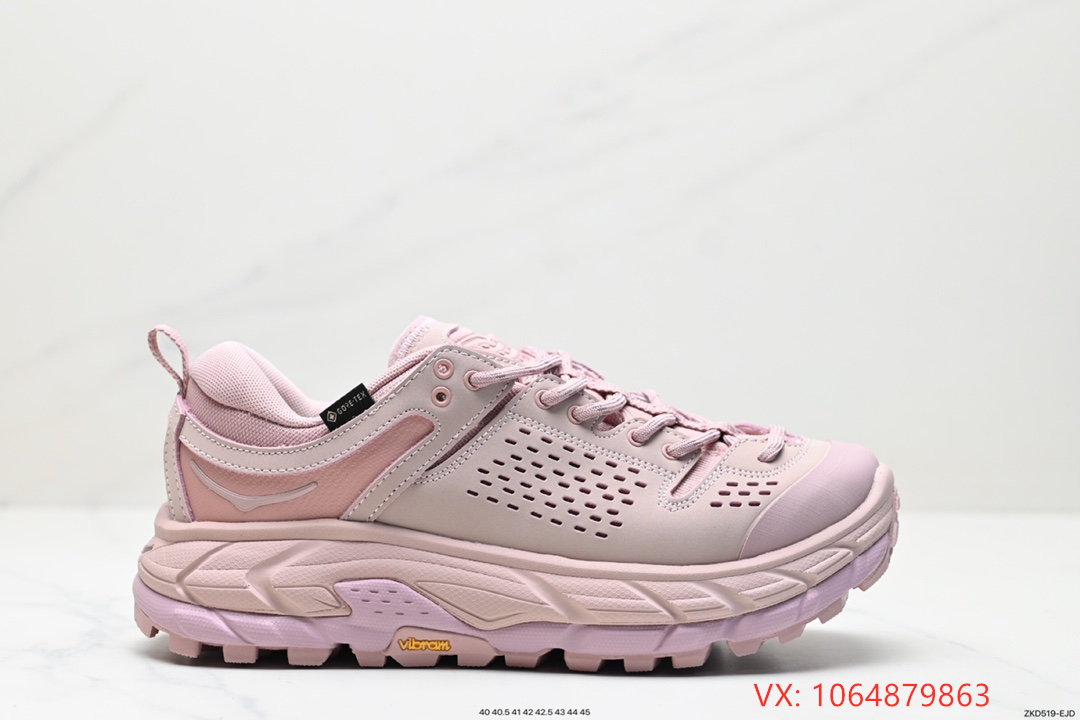
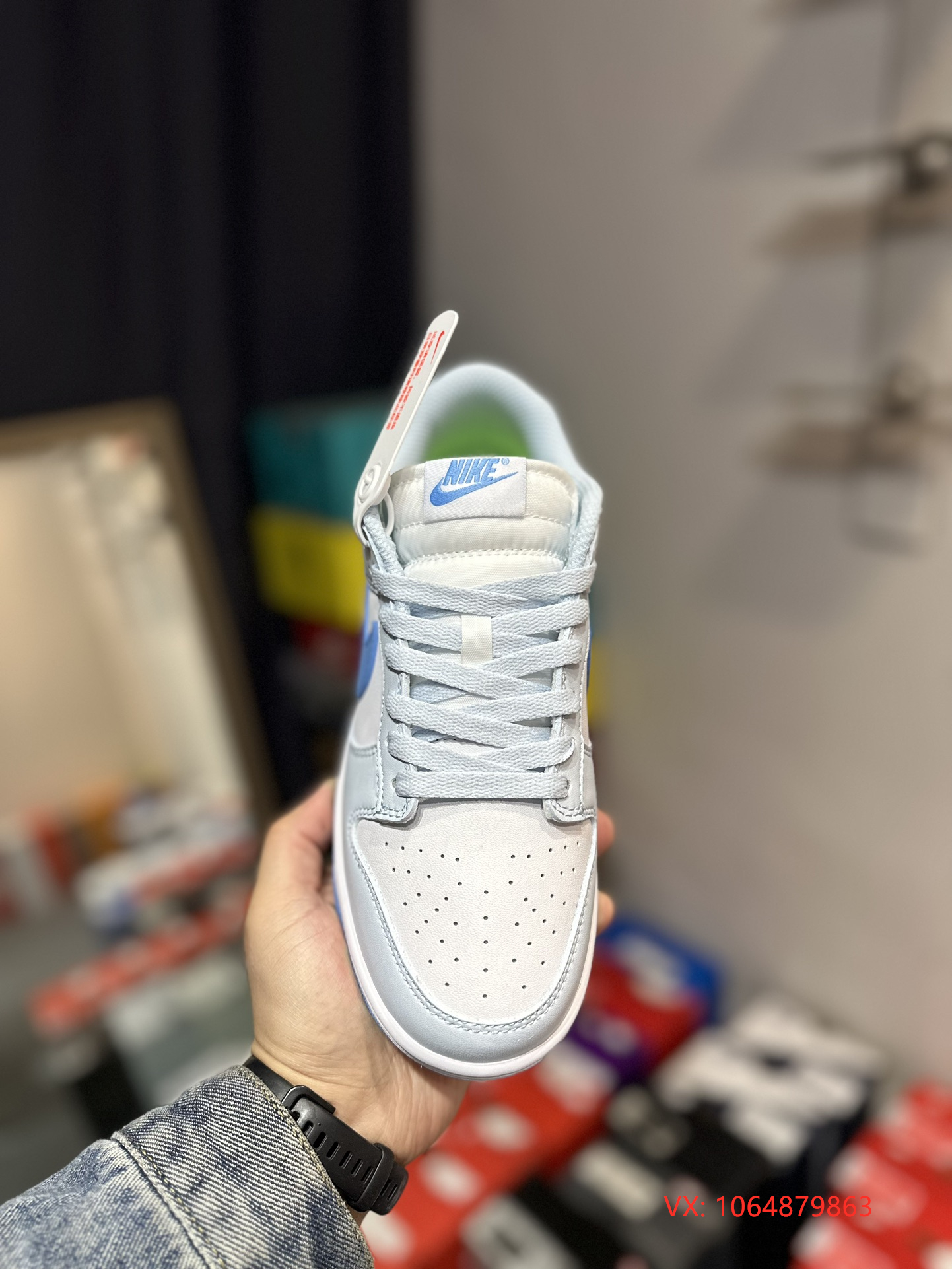
 On-site Visits
 Free Sharing
 Avoid Scams
 Updated Frequently
 For Reference Only