
Why Material Matters More Than You Think in Putian
Welcome to the real world of Putian, not the glossy version you see on Instagram or TikTok. I've been standing behind the counter at the Anfu E-commerce City for over fifteen years. I've seen thousands of foreign buyers walk through those heavy glass doors, eyes wide, clutching their translation apps, looking for that perfect pair of sneakers. Most of them ask me one question before they even look at a single shoe: "What material makes a Putian shoe look good?" It's a smart question, but it's also wher most people get lost. They think it's about the brand logo or the colorway. Let me tell you something straight from my experience as a local boss: the material is the soul of the shoe. If the leather feels like plastic and the sole smells like chemicals, no amount of stitching perfection will save it.
The Myth of "Fake" vs. "Real"
First, let's clear up a misunderstanding. When I talk about materials here in Putian, we aren't talking about cheap factory scraps. We are talking about high-grade imports and domestic alternatives that rival the big brands. In the past, if you wanted a shoe that looked authentic, you had to settle for stiff synthetic leather. But today? The game has changed completely. The best-looking shoes in our market come from specific factories that source genuine Italian calfskin or premium Japanese suede. These materials breathe, flex, and age just like the expensive originals. When a buyer touches a shoe made with these materials, they feel the difference immediately. It's soft, warm, and substantial. That tactile feedback is what separates a $50 knockoff from a $150 replica that looks indistinguishable from the real deal.
Navigating the Anfu Market Floor
If you are flying into Xiamen or Fuzhou and heading straight to the Anfu E-commerce City, don't expect a clean, organized mall. It's chaotic, loud, and packed with energy. This is wher the magic happens, but only if you know how to navigate it. The layout is confusing, with hundreds of small booths crammed together. My advice? Don't rush. Walk the perimeter first. Look for the shops that have samples displayed on mannequins rather than just stacked boxes. Those boxes often hide the low-quality stock meant for tourists who don't know better.
Spotting the Quality at the Counter
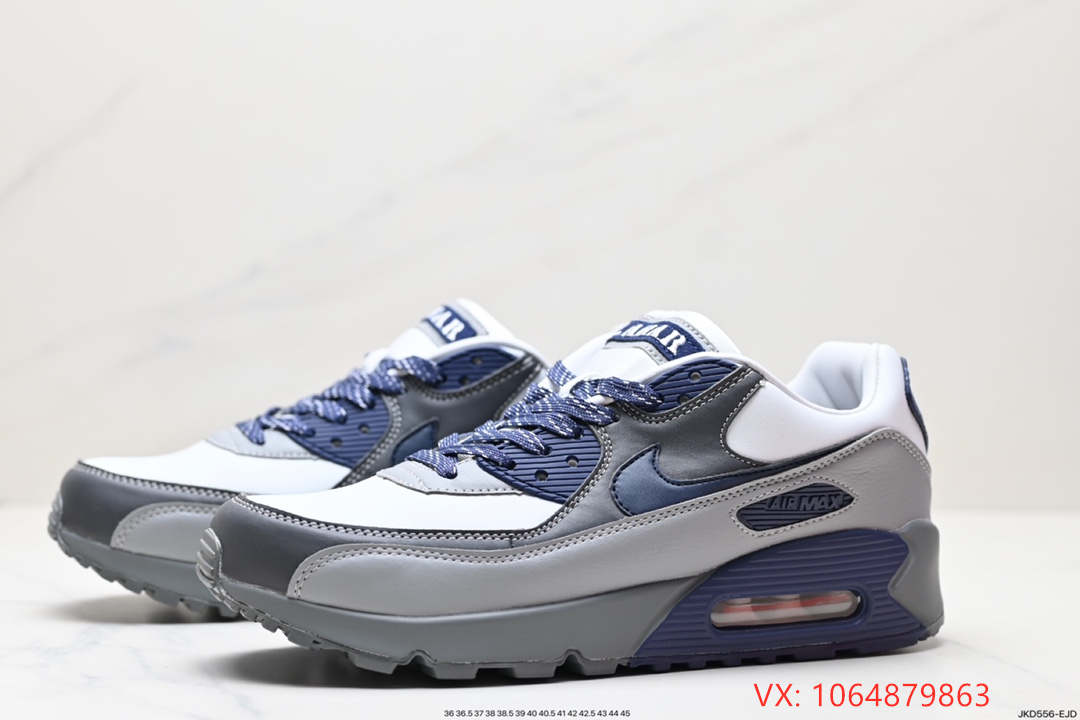
When you approach a booth, ignore the flashy marketing slogans. Ask the owner specifically about the upper material. A good vendor will be proud to show you the raw leather or the specific knit fabric they use. For example, if you are looking for a Jordan 4 style, the nubuck suede is critical. Cheap versions use a rough, painted fabric that cracks after a week. High-end versions use a soft, velvety suede that requires careful handling. I always tell my international clients to bring a flashlight. Shine it on the grain. Real leather has natural imperfections; fake leather looks too uniform and shiny. Also, check the tongue padding. Many cheap shoes use thin foam that flattens instantly. The good ones use dense memory foam that retains its shape.
Selecing the Right Materials for Your Style
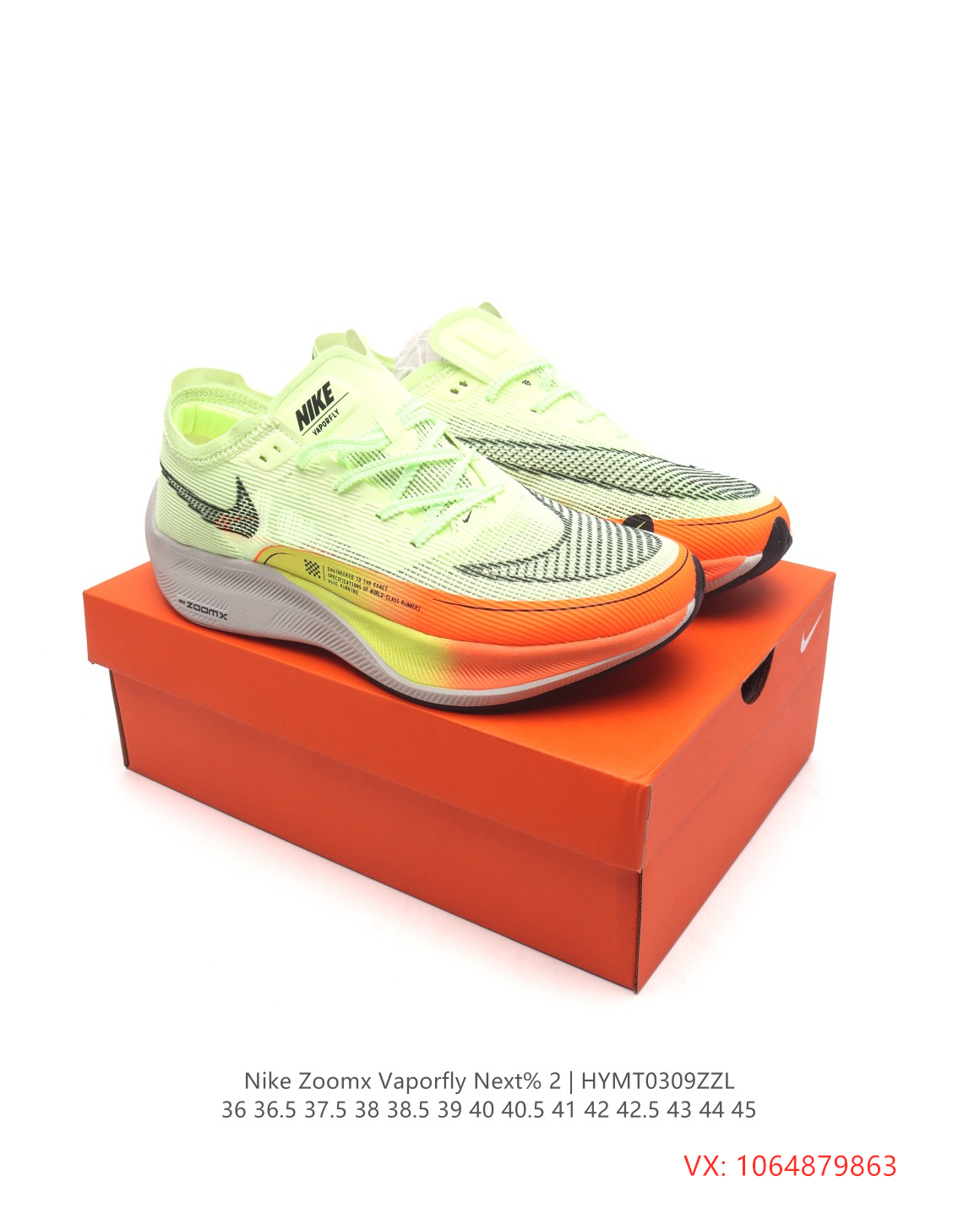
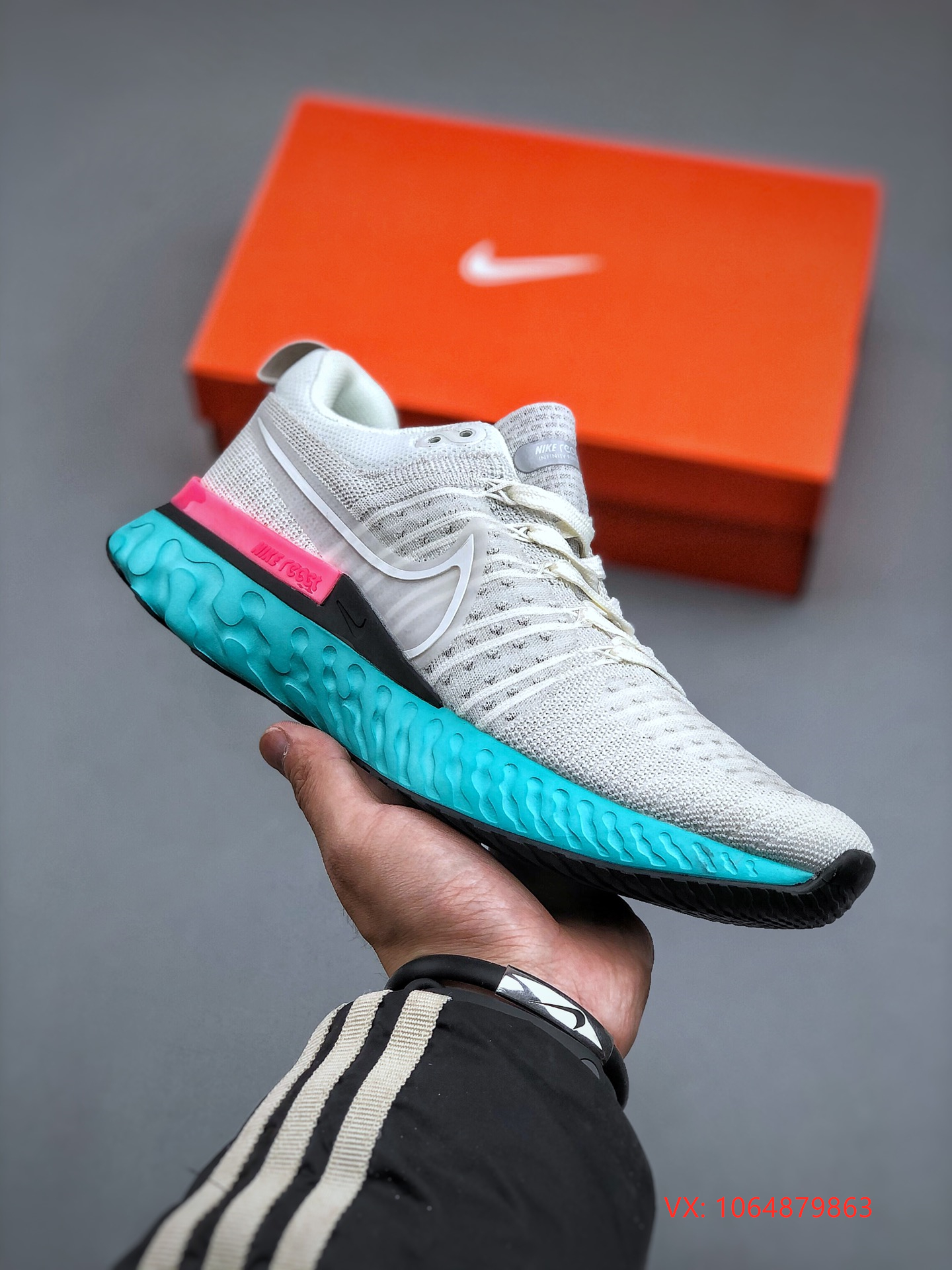
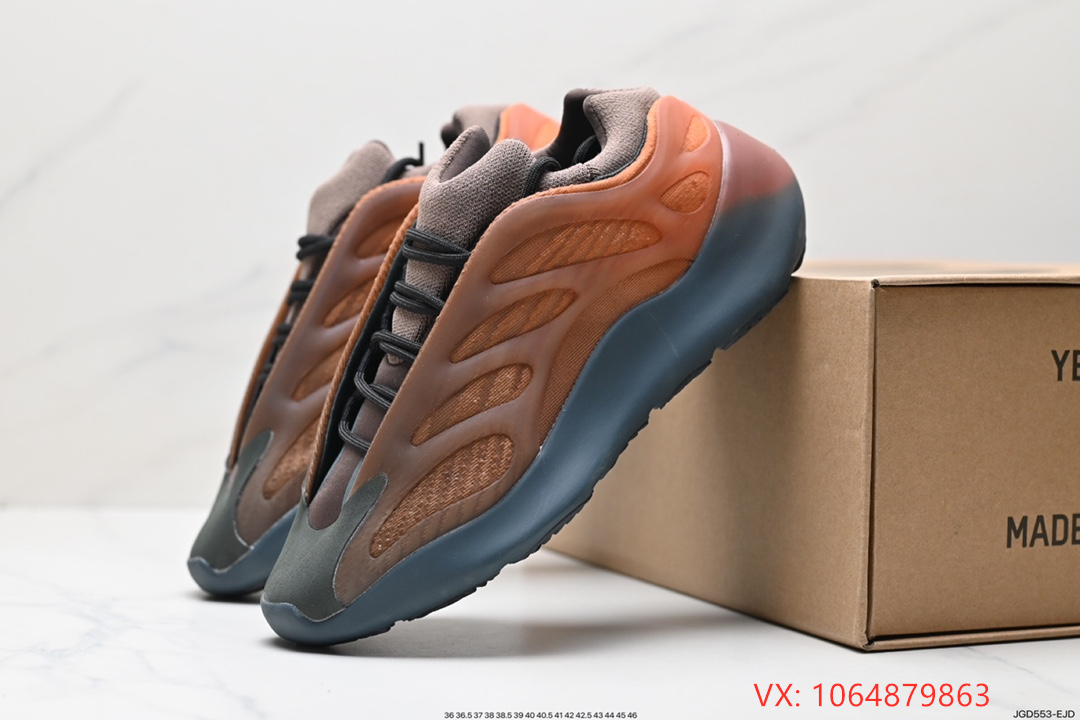
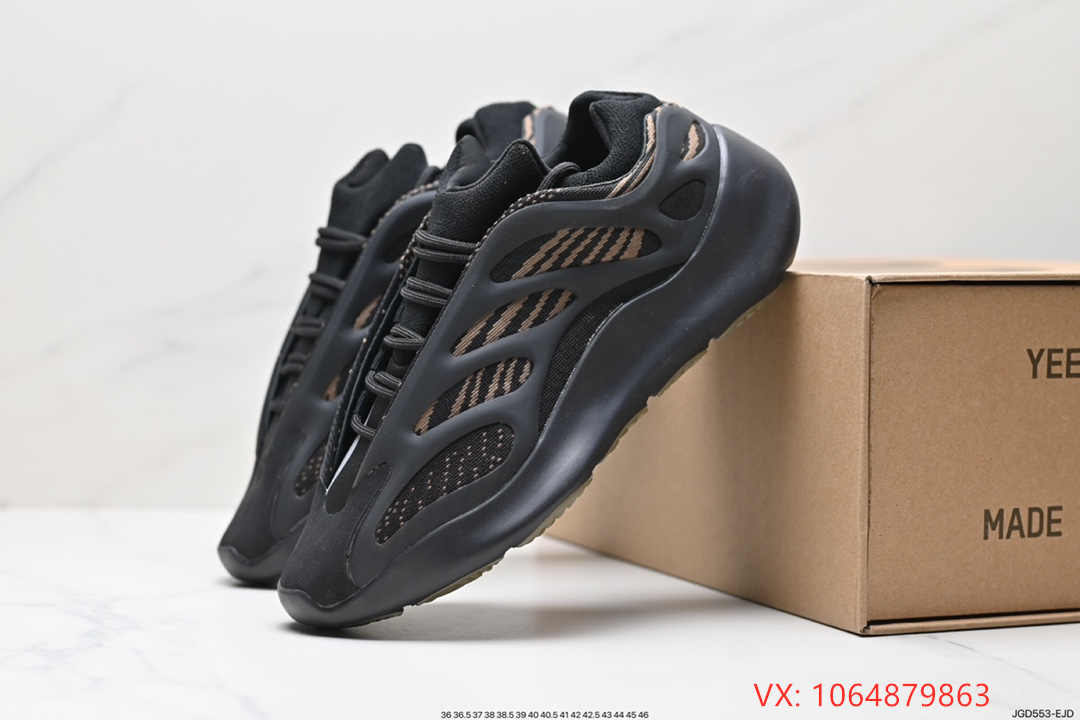
Different styles require different materials to look their best. There is no one-size-fits-all answer. If you are hunting for the classic retro basketball silhouettes, you need full-grain leather or high-density suede. These materials give the shoe structure and that premium look that holds up under stress. However, if you are looking for modern lifestyle runners or Yeezy-style knits, the focus shifts entirely to the textile. Here, the quality of the Flyknit or Primeknit imitation matters more than anything else.
The Secret of the Midsole and Outsole
You cannot judge a shoe by the upper alone. The midsole is wher the comfort and the visual illusion meet. In Putian, the best factories use imported PU foam or TPU blends that mimic the bounce and density of the original EVA. You can test this by pressing your thumb into the heel. If it feels hard and unyielding, put it back. If it sinks slightly and bounces back slowly, that's the right density. Furthermore, the outsole rubber needs to be translucent or have the correct texture. Cheap rubber is often too black and glossy, which kills the aesthetic. We source rubber compounds that match the exact hardness and grip pattern of the original molds. This attention to detail is what makes a Putian shoe look "expensive" rather than "cheap."
Dealing with Suppliers and Avoiding Scams
As a local boss, I want to save you money and heartache. The biggest mistake foreign buyers make is trying to negotiate price without understanding value. If a seller offers you a shoe for half the price of another, they are likely using inferior materials. Do not fall for the "factory direct" trap unless you have a trusted contact. Always ask to see the "sample room." This is a private area wher vendors keep their highest quality prototypes. If they refuse to show you samples, run. Another common pitfall is the "mixed order." Some sellers try to mix high-quality leather shoes with cheap canvas ones to bulk up your order. Inspect every single pair before you pay. Use a magnifying glass if you have to. Check the glue lines. High-quality shoes have invisible glue lines; cheap ones have messy, visible residue.
Building Long-Term Relationships
The secret to getting the best materials in Putian is building a relationship. once you find a vendor who uses good leather and honest pricing, stick with them. Tell them exactly what you need. Say, "I need the Italian calfskin version, not the synthetic." They will understand because they know you are serious. Over time, they might even hold stock for you or customize the materials to your specific taste. This level of service is impossible if you are just a one-time buyer haggling over pennies. Trust is the currency of the Anfu market. When you treat the vendors with respect and show you know your stuff, they will treat you like family and give you access to the best goods that never hit the open floor.
Final Thoughts on Sourcing in China
So, to answer your question directly: the best-looking Putian shoes are made from imported Italian leather, premium Japanese suede, and high-density foam blends. But remember, the material is only half the story. It takes skilled craftsmanship to assemble these materials into a masterpiece. If you go to Putian with an open mind, a sharp eye for detail, and a willingness to learn, you will find shoes that blow away your expectations. Don't just buy a shoe; buy a piece of art that was crafted with care. Come visit us, walk the floors, touch the materials, and see why Putian remains the sneaker capital of the world. The real deal is waiting for you right here in the market.

 On-site Visits
 Free Sharing
 Avoid Scams
 Updated Frequently
 For Reference Only