
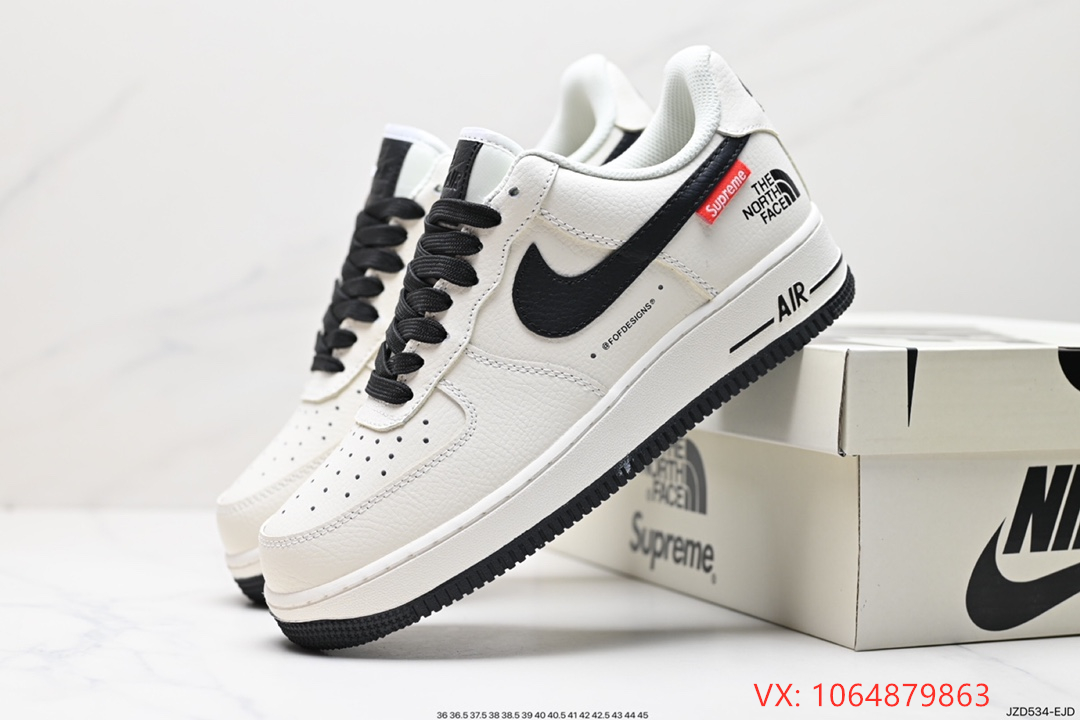
Why Your Insoles Feel Like Plastic and How to Fix Them
Listen, I've been standing in the Anfu E-commerce City for over fifteen years. I've seen thousands of foreigners walk through those heavy glass doors, looking confused, holding a pair of "high-quality replicas" that cost them fifty bucks online, only to come back to me with a frown because the insole feels like it's glued to the bottom of the shoe or won't slide out at all. You are asking me how to open the insole on Putian shoes, but honestly, this question reveals a bigger misunderstanding about what you are actually buying. Most of the time, when people ask this, they aren't talking about a specific mechanism; they are talking about the fact that the insole is stuck, or they want to replac it with their own custom orthotics, or they just think there is a hidden zipper or Velcro flap that I'm not showing them.
In the real wholesale market here in Putian, we don't sell "mystery boxes." We sell inventory. When you buy from a legitimate factory outlet or a serious booth in Anfu, the construction is standard. The insole is usually glued down with a strong adhesive to prevent slipping during the manufacturing process and shipping. If you are trying to pry it open with your fingernails, stop immediately. You will ruin the foam structure, tear the fabric, and end up with a shoe that smells like old glue and looks cheap. Let me tell you exactly how the pros handle this, why it happens, and how you can avoid getting scammed by low-quality sellers who use cheap materials that make the insole impossible to remove without destroying the shoe.
The Glue Trap: Why It Sticks So Hard
First, let's address the elephant in the room. The reason your insole won't budge is almost always the glue. In the high-end replica sector, which is what most serious buyers look for, the quality control is surprisingly strict. We use industrial-grade adhesives that bond the insole to the midsole firmly. This isn't a design flaw; it's a feature to ensure durability. If you are looking for "Putian Yeezy 750s" or "Jordan 4s," the expectation is that the shoe will last for months, not weeks. Cheap knockoffs might use weak glue that peels off after one wear, but the good stuff? That stuff is locked in tight.
When you are sourcing from a new supplier, do not assume every pair comes with a removable insole. Unless the listing specifically says "removable insole" or "customizable footbed," you should assume it is permanent. Many overseas buyers get angry when they receive a box and try to pull the insole out, thinking it's a defect. It's not. It's just standard construction. If you need to change the insole for comfort or arch support, you have to cut it carefully with a sharp utility knife along the edges, being very careful not to slice into the midsole foam underneath. It takes patience, but it's the only way to get a clean removal without ruining the shoe's structural integrity.
Navigating the Anfu Market: A Buyer's Reality Check
I see so many guys coming to my shop who have spent hours scrolling through Instagram ads or Facebook groups looking for "best Putian shoe suppliers." They think they can just order a sample, get it shipped, and then figure everything out later. But here in Anfu, the game is different. The market is chaotic, loud, and filled with noise. If you want to find the right source, you need to be on the ground. The difference between a $30 fake and a $150 "top tier" version often lies in the details you can't see in a photo, like the density of the insole foam or the type of stitching on the heel counter.
How to Spot a Real Factory vs. a Middleman
When you walk into a booth, don't just ask for the price. Ask to see the mold. A real factory owner will show you the steel molds used to create the sole unit. They will show you the raw materials, the rubber compounds, and the foam blocks before they are cut. If the guy behind the counter is just pulling shoes out of a plastic bag and saying, "This is the best quality," he is likely a middleman. He doesn't know the difference between the "LJR version" and the "Hagler version" because he didn't make them. He just bought them from someone else.
To verify the quality, pick up the shoe and flex the sole. Does it bend naturally at the ball of the foot? Is the insole thick enough to provide cushioning, or is it thin cardboard disguised as foam? In our market, we call the high-density foam "cloud foam." It's soft but supportive. If you press your thumb into the insole and it feels hard and unyielding, put it back on the shelf. That is a sign of a low-cost production line that cuts corners. When you are negotiating, ask for the "original mold" shoes. These are the ones made with the same molds as the big brands, ensuring the fit and feel are accurate. This is wher the real value is.
Inspection and Quality Control Before You Pay
Never pay for a bulk order without inspecting the goods first. I have seen too many buyers send money via Western Unio or crypto, only to receive a box full of mismatched sizes or shoes with glue stains on the upper. When you are in the shop, bring a magnifying glass if you have to. Look at the stitching. Are the threads even? Is there any loose thread hanging off? Check the alignment of the logo. On a pair of "Nike Dunk Lows," the swoosh should be perfectly symmetrical. If it's crooked, reject it.
Also, check the box. In the past, some sellers would send you a shoe with a perfect box but a terrible product inside. Now, the standards are higher. We match the box art, the stickers, and even the tissue paper to the original packaging. If you are ordering "Putian Air Force 1s," make sure the box has the correct barcode and the style code matches the shoe. This attention to detail separates the professional wholesalers from the amateurs. Don't be afraid to ask for a video call inspection. I am happy to show you the shoes live, zoom in on the insole, and demonstrate how the glue holds up under pressure. Transparency builds trust, and trust is the currency of this business.
Final Advice for International Sourcing
If you are still struggling with the insole issue, remember that it is rarely a problem with the shoe itself but rather a misunderstanding of the product specifications. If you need a removable insole for medical reasons or personal preference, you must specify this requirement clearly to the manufacturer before production begins. Some factories offer a "custom insole" option wher they leave the top layer unglued or use a double-sided tape system that allows for easy swapping. However, this is a special request and may cost a bit more.
Don't fall for the "too good to be true" prices. If someone is selling you "premium Putian shoes" for ten dollars, they are lying. The cost of materials, labor, and shipping alone makes that impossible. Stick to reputable sources, visit the market if you can, and build relationships with the owners. They are the ones who know the secrets of the trade. Whether you are looking for "Jordan 1 Highs," "Yeezy Boost 350s," or "New Balance 990s," the key is to understand the craftsmanship behind the product. once you know how to spot quality, you won't worry about whether the insole opens or not; you'll know exactly what you are getting.

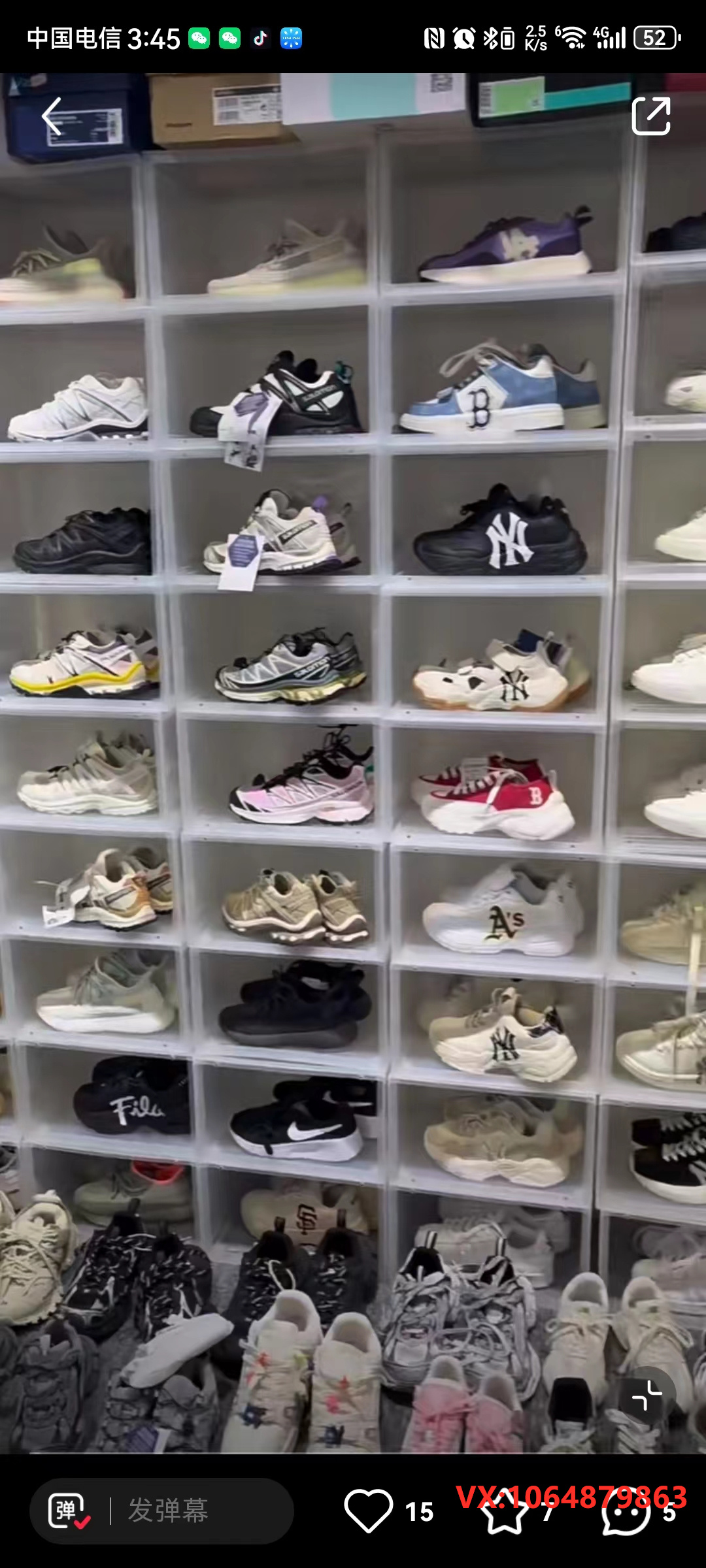
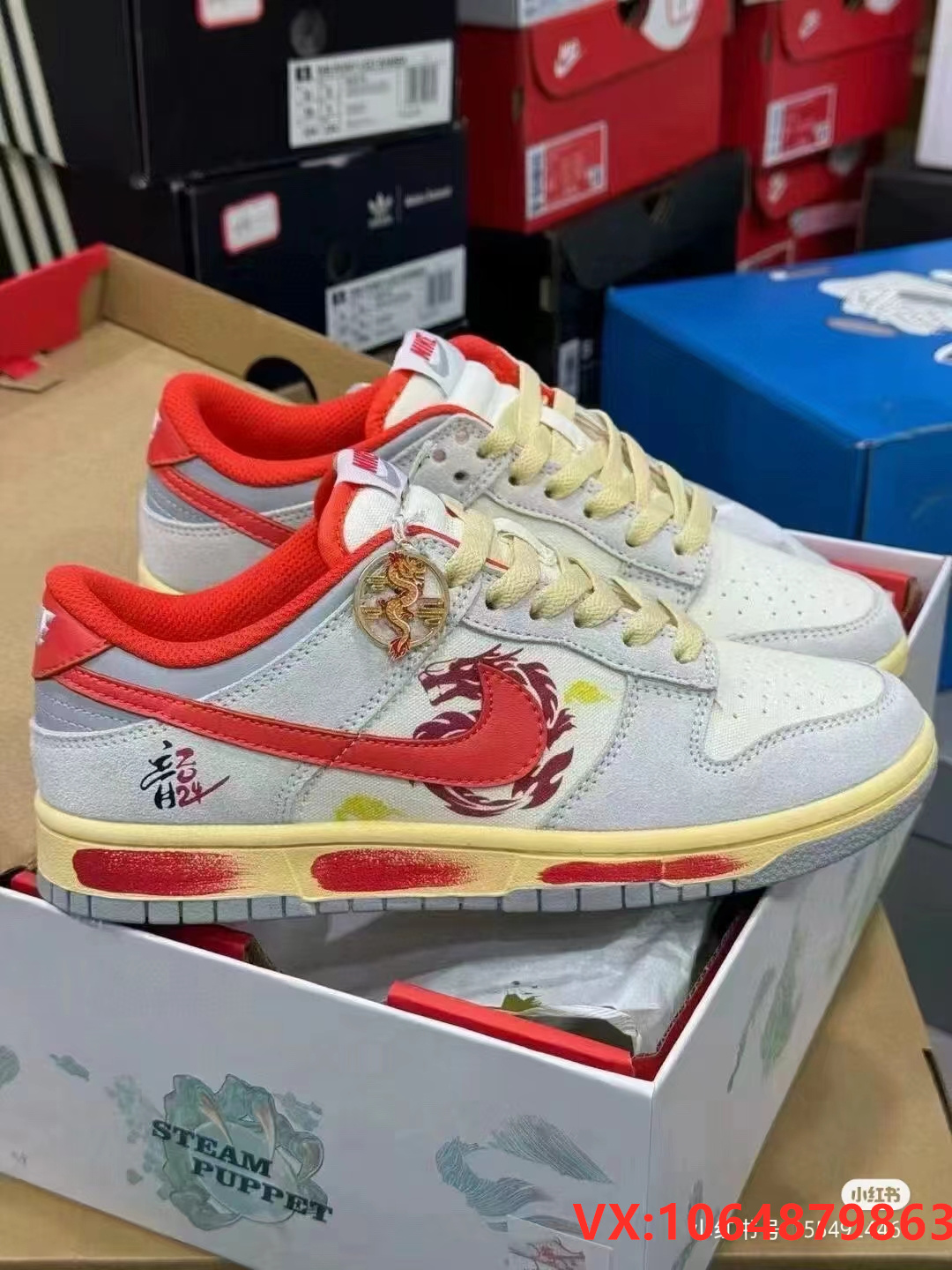
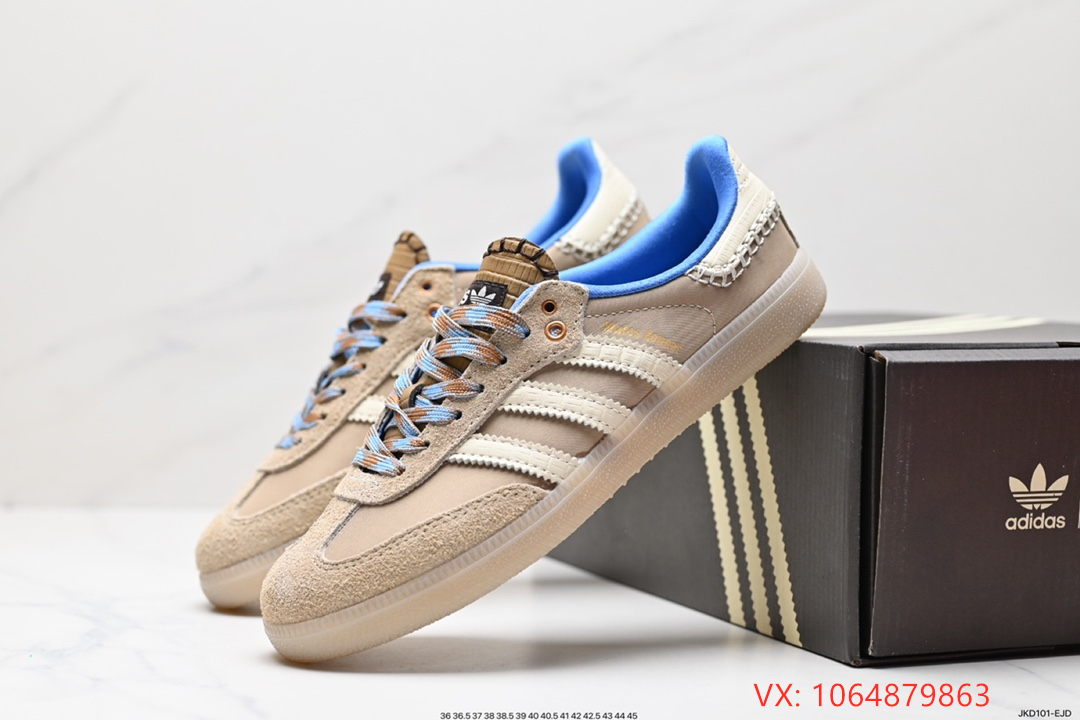
 On-site Visits
 Free Sharing
 Avoid Scams
 Updated Frequently
 For Reference Only