
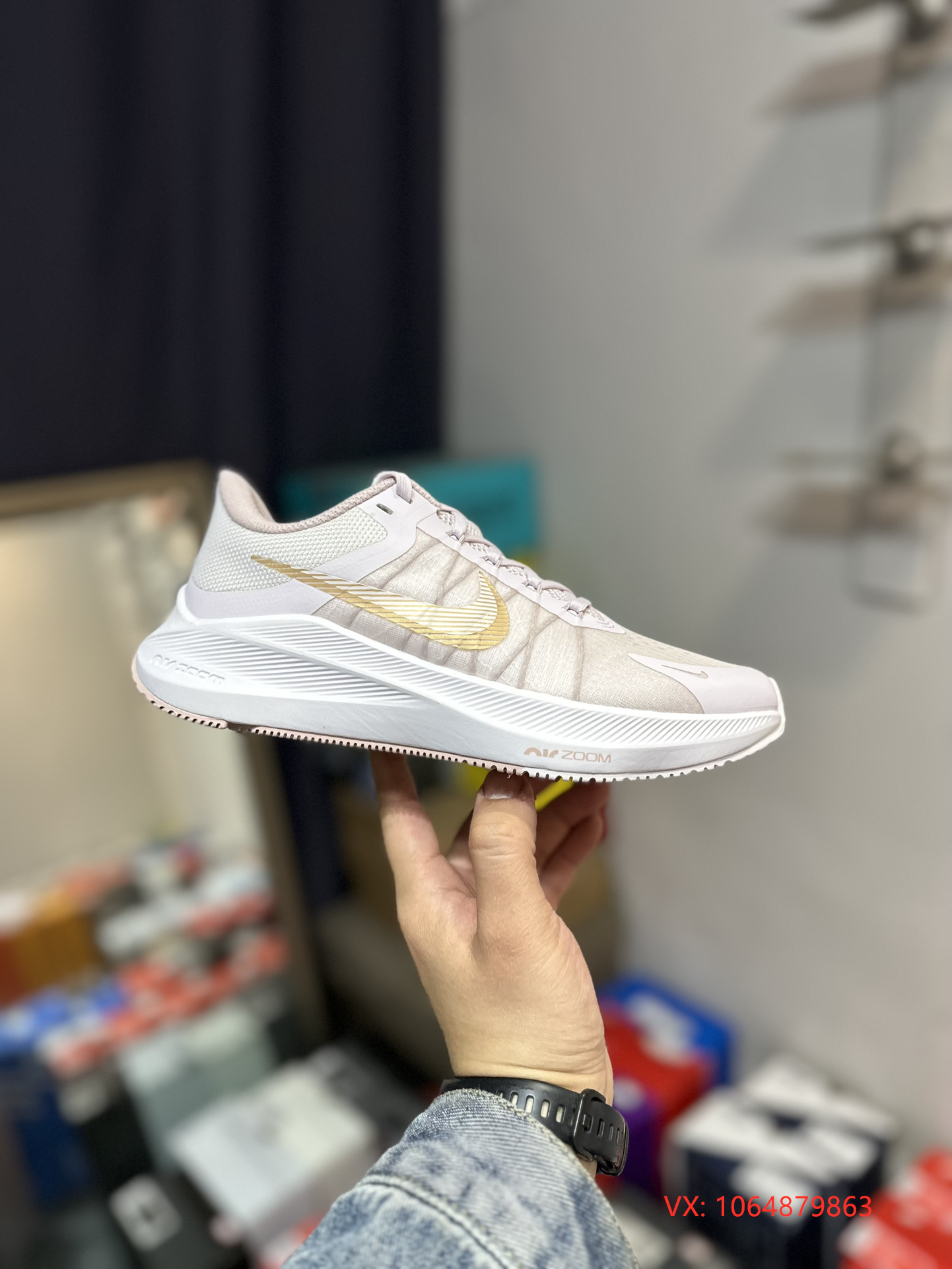
Inside the Anfu Market: How We Actually Grade Putean Shoes
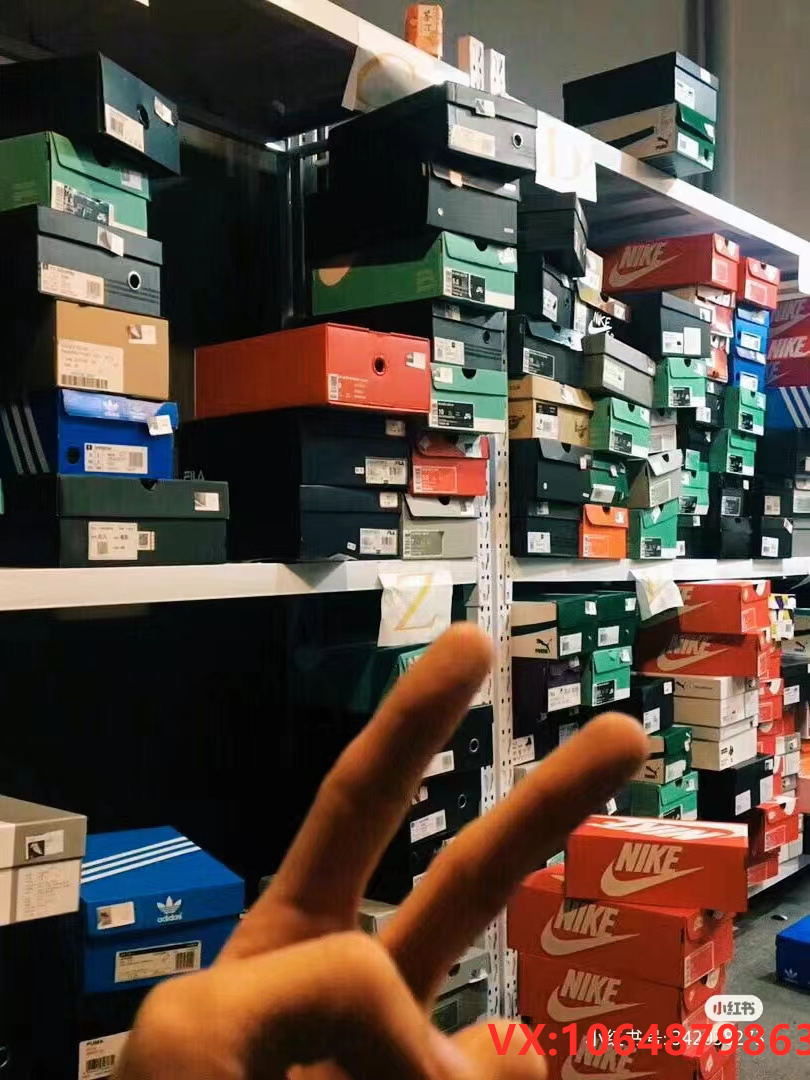
Listen, I've been standing in the Anfu Electronic Commerce City since before most of you were even born. While the internet is flooded with "how to spot fake" guides written by people who have never stepped foot in a warehouse, the reality on the ground here in Putian is a whole different beast. If you are an overseas buyer trying to navigate this maze, stop looking for a simple checklist. The market doesn't work like that. When we talk about high-end versus low-end Putean shoes, it's not just about the logo or the box; it's about the entire ecosystem of production, from the raw materials to the final quality control check.
The Material Gap That Separates the Herd
First things first, let's talk about what makes a shoe "high end" in our local vernacular. In the West, you might think it's about the stitching pattern, but here, it starts with the leather and the foam. A true top-tier factory will source their upper materials directly from the same supply chains as the big brands, sometimes even using the exact same batches of Italian suede or Flyknit yarns. You can smell the difference immediately. Low-end versions use synthetic substitutes that feel plasticky and smell like chemicals within minutes of opening the box. When I show my regular foreign clients around the stalls, I tell them to touch the tongue and the heel counter. High-end models have structure and density; cheap ones collapse under pressure. This isn't marketing fluff; it's the physical reality of the 1:1 replicas versus the "super copies" that flood the lower tiers of the market.
Decoding the Factory Tiers Behind the Stalls
You need to understand that not all shops in Anfu sell the same goods. The market is stratified. On the ground floor, you often find the "street level" vendors pushing out mass-produced, low-quality inventory meant for quick turnover. These are the shoes that fail after a few weeks of wear. But if you walk up the stairs or into the back offices of the larger buildings, you enter the realm of the "top tier." These are the factories that produce the "LJR" or "GT" versions. They don't just slap a logo on a shoe; they reverse-engineer the mold. The midsole foam density, the carbon fiber plate placement, and even the glue application patterns are scrutinized. When a buyer asks me how to distinguish the levels, I tell them to ask for the specific factory code. If a vendor can't name the workshop or refuses to show you the internal construction details, run. That is the quickest way to identify a middleman selling low-grade stock.
On-Site Inspection: What to Look For Before You Pay
I always tell my international partners to bring a magnifying glass and a ruler when they visit. Visual inspection is key. High-end Putean sneakers have consistent stitching with no loose threads, and the alignment of the swoosh or the three stripes is mathematically precise. In the lower tiers, you'll see glue stains bleeding through the mesh or uneven spacing between the eyelets. Another critical test is the "flex test." Bend the sole. A premium pair will flex naturally at the ball of the foot without cracking or making a loud squeaking noise. Cheap pairs often have a stiff, rubbery feel because they used inferior EVA foam. Also, check the insole. Top-tier versions come with removable insoles that match the brand's original branding and cushioning technology. If the insole is glued down or feels like cardboard, you are looking at a low-end product.
Navigating the Negotiation and Avoiding Scams
Dealing with suppliers here requires a bit of street smarts. Many sellers will try to upsell you on "fake fakes," claiming their low-end shoes are actually the real deal. Never fall for this. Be direct. Ask for photos of the actual batch you intend to buy, not just the promotional images on their phone. In the past, I've seen buyers get burned because they ordered based on a video call showing a perfect sample, only to receive a box full of mismatched sizes and poor craftsmanship. Always request a pre-shipment photo verification. Send a list of specific points to check—like the colorway accuracy, the box label font, and the QR code on the tag. Reputable vendors in Anfu are used to this and won't mind. If they get defensive or refuse to send detailed photos, that is a massive red flag indicating they are hiding the true quality of their goods.
Building Trust for Long-Term Sourcing
Finally, remember that relationships matter more than price in this industry. The best deals aren't found on Alibaba or random Instagram ads; they are found through word-of-mouth and repeat business. When you establish trust with a stall owner, they will prioritize your orders and alert you to new molds before they hit the general market. They will also be honest about lead times and potential defects. Don't be afraid to visit multiple times. Walk the aisles of Anfu, talk to different owners, and compare the same model across five different stalls. You will quickly learn which ones consistently deliver the high-end quality you need. The market is vast, but the path to finding genuine high-quality sources is clear if you know wher to look and what to ask.

 On-site Visits
 Free Sharing
 Avoid Scams
 Updated Frequently
 For Reference Only