Why You Need to Be in Putian, Not Just Online
Listen, I've been standing behind the counter at Anfu Electronic City for over fifteen years. I've seen thousands of foreigners walk through those heavy glass doors, looking confused, holding a map on their phone that's already outdated. They ask me, "Where can I buy Putian shoes?" and my answer is always the same: you don't just buy them; you hunt them. If you are sitting in your office in New York or London trying to find a supplier via Google Maps, you are already three steps behind. The real action happens here, in Fujian, specifically in the streets surrounding the Anfu complex. This isn't about finding a website; it's about finding the right person who holds the mold.
The truth is, the market has evolved. Ten years ago, you could walk into a shop and grab a box. Today, the supply chain is tighter, more secretive, and highly segmented. Foreign buyers often get scammed by agents claiming they have "factory direct" prices when they are actually middlemen marking up the cost by 30%. My advice? Skip the middleman. Come to Putian. Walk the floor. See the stitching. Feel the foam. That is the only way to know if you are dealing with a Grade A replica or a factory reject.
Navigating the Anfu Electronic City Labyrinth
Anfu is not a single building; it is a sprawling ecosystem of interconnected malls, basements, and street-side stalls. When you arrive, do not look for a sign that says "Wholesale." Instead, look for the crowds. The energy changes depending on which side of the street you are on.
The Ground Floor vs. The Upper Levels
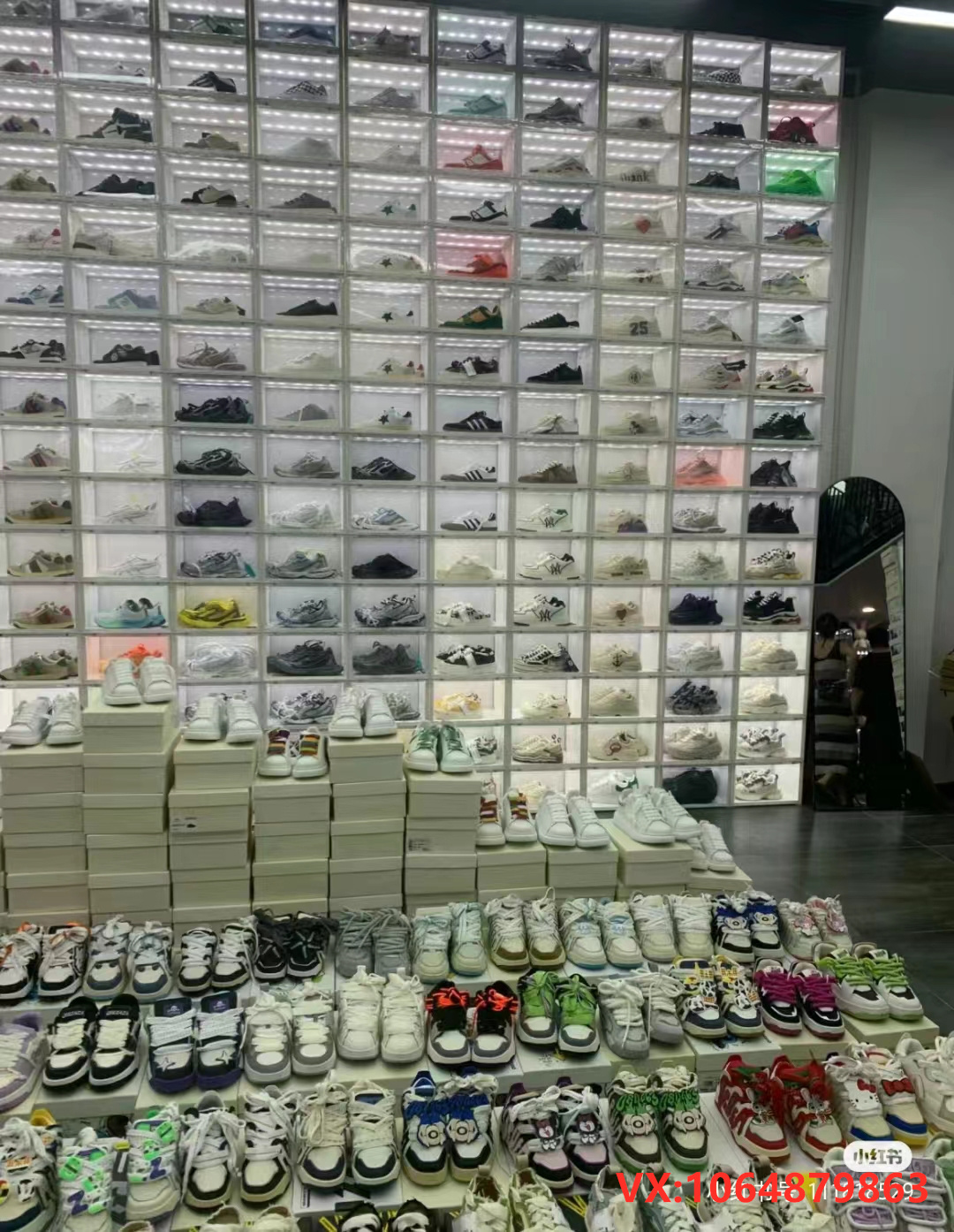
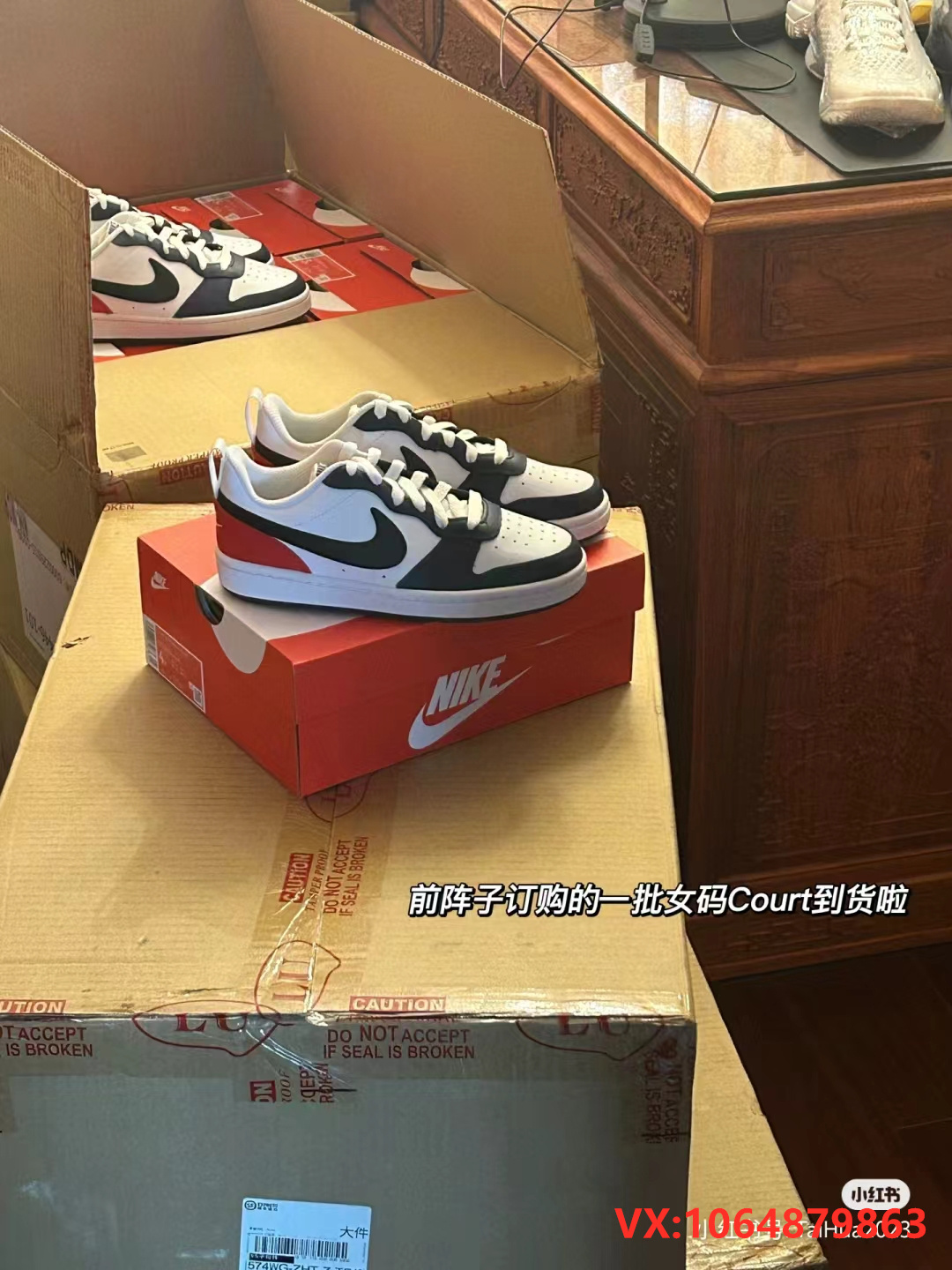
Let's talk about the layout. The ground floor of the main Anfu buildings is mostly retail. These are the shops where tourists go to buy one pair as a souvenir. The prices here are inflated, and the quality is inconsistent. If you want to source, you need to go up. Take the elevator to the third or fourth floor. This is where the real wholesalers operate. You will see rows of tables covered in shoe boxes, stacks of cardboard, and men talking loudly on phones, arranging shipments to Dubai, Brazil, and the US.
I remember a buyer from Canada last month who wasted two hours on the ground floor before I told him to head to the fourth floor. He was shocked to find the same models he saw downstairs were selling for half the price upstairs because the overhead costs were lower. The key is to ignore the flashy storefronts and knock on the back doors of the offices.
Specific Hotspots and Hidden Gems
You asked for specific locations. While I cannot give you a list of every factory name due to privacy and security reasons, I can tell you exactly where to look. In the Anfu complex, focus on the corridor leading to the "Shoe Culture Plaza." There, you will find several long-standing booths that have been operating since 2015. One notable area is near the stairwell connecting Building B and Building C. Many high-end suppliers hide their best stock there.
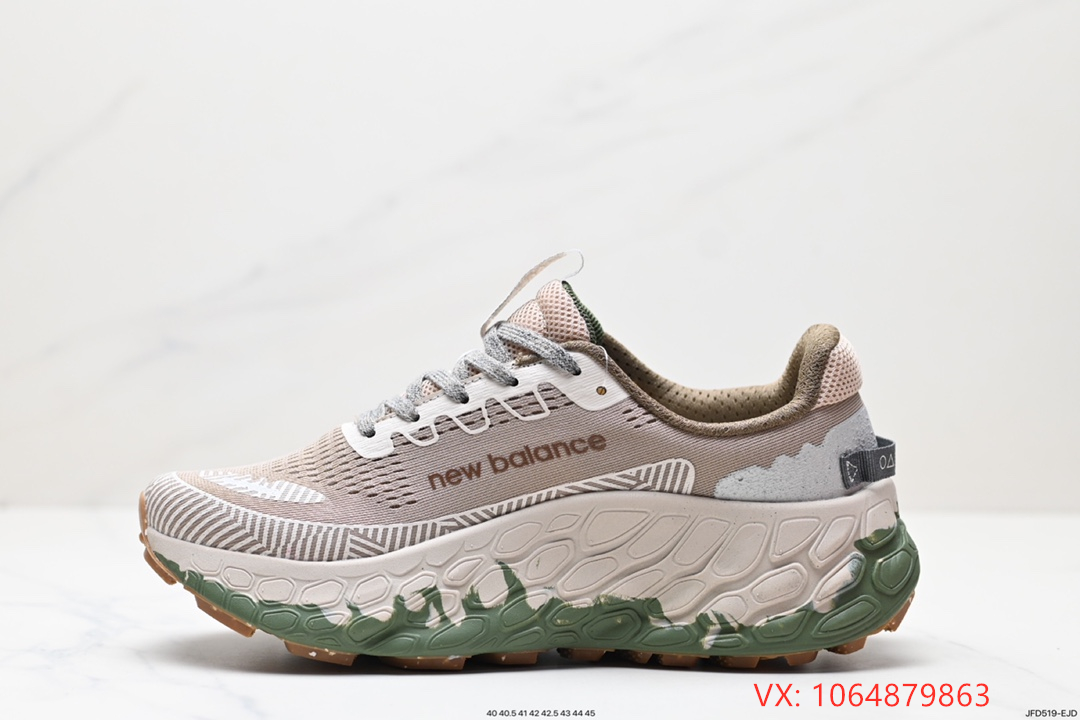
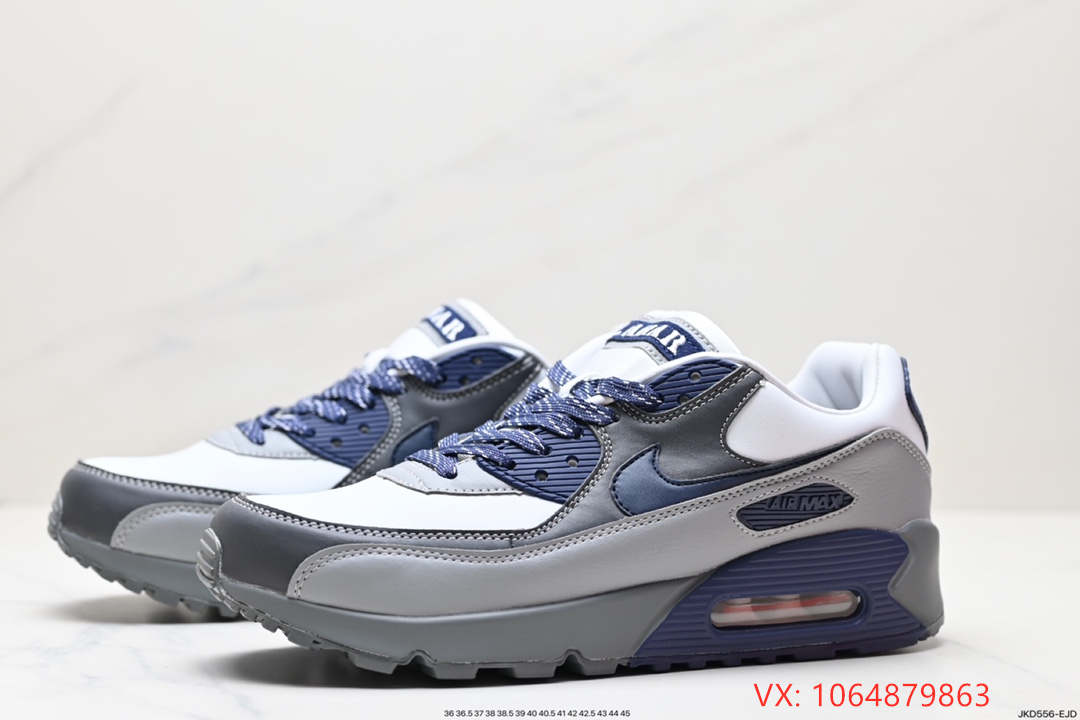
For those looking for specific brands like Nike Air Max or Jordan 4, look for the booths with the large LED screens displaying the latest release dates. These are usually the "top tier" sellers. If a shop doesn't show new molds within 24 hours of a global release, move on. Also, check the basement levels of the adjacent commercial buildings. Some of the most exclusive factories operate out of these hidden spaces to avoid competition. You need a local guide or a trusted contact to get in, but once you are there, the selection is unmatched.
The Art of Inspection and Negotiation
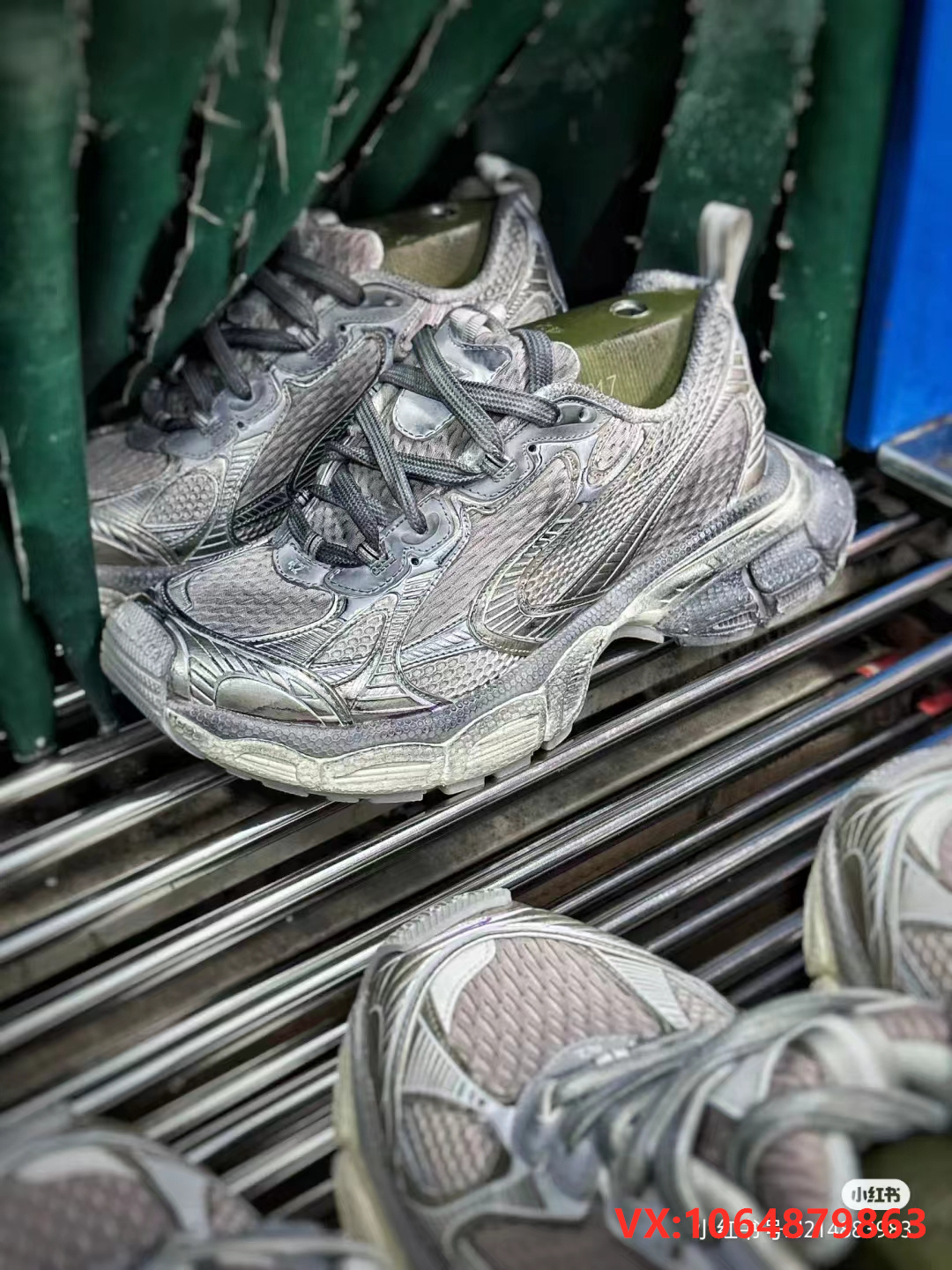
once you are in the booth, the real work begins. Do not just say, "I want 100 pairs of size 10." That is amateur hour. You need to inspect the product. Bring a magnifying glass and a flashlight. Look at the glue lines. Check the alignment of the swoosh. Feel the density of the midsole foam. In Putian, we call this "checking the details." A good seller will welcome this; a bad one will get defensive.
Understanding the Grading System
You will hear terms like "Market Version," "Top Version," and "OG Quality." Here is the reality: "Market Version" is what you see in the street shops. It looks okay from a distance but falls apart after a few weeks. "Top Version" is what serious resellers buy. It uses the same molds as the original factory, sometimes even the same materials. The price difference between these two can be $20 per pair. If you are buying for resale, never settle for Market Version unless you are targeting the absolute bottom of the market.
I had a client from Germany who wanted to save money by buying the cheaper version. He ended up with returns and angry customers. He lost more than he saved. Always aim for the Top Version. It might cost $60 instead of $40, but the profit margin on the resale side is much higher because the quality holds up.
Negotiating Like a Pro
Negotiation in Putian is an art form. Start by asking for the "wholesale price" but be prepared to pay a bit more for volume. If you are buying 50 pairs or more, you can negotiate shipping and customization. Don't be afraid to walk away. If a seller refuses to let you inspect the goods, walk away immediately. That is a red flag. Also, always discuss the return policy for defective items. A reputable factory will offer a replacement rate of less than 2% for quality issues.
Logistics and Avoiding Common Pitfalls
Getting the shoes out of China is another challenge. Many foreigners try to ship directly to their country using standard couriers, only to have their packages seized by customs. This is a nightmare. You need a reliable freight forwarder who specializes in footwear.
The Shipping Strategy
Most factories in Anfu have partnerships with logistics companies that handle "duty-free" shipping lines to major ports. However, for small batches, you should use a consolidation warehouse. Ask your supplier to send the goods to their designated warehouse first. Then, hire a forwarder to consolidate your order with other buyers' goods. This reduces your shipping cost significantly. For example, shipping 50 pairs individually might cost $15 per pair, but consolidating them can bring that down to $8 per pair.
Red Flags to Watch Out For
Here are some common mistakes I see foreign buyers make. First, paying 100% upfront without a contract. Second, trusting a supplier who claims they have "unlimited stock" of limited edition releases. Third, ignoring the sample phase. Always order a sample first. Even if it costs extra, it saves you from losing thousands of dollars on a bad batch. Finally, be wary of suppliers who refuse to meet in person. If they insist on doing everything via WeChat without a face-to-face meeting, they are likely a scammer.
Summary of Key Sourcing Strategies
To wrap this up, sourcing in Putian requires patience, knowledge, and a willingness to dig deep. Here is a quick summary of the strategies we discussed:
| Strategy | Actionable Tip | Why It Matters |
|---|---|---|
| Location | Go to 3rd/4th Floor of Anfu Complex | Avoid retail markups and find real wholesalers |
| Quality Check | Inspect glue lines and foam density | Distinguish between Market and Top versions |
| Negotiation | Walk away if inspection is denied | Ensure transparency and trust |
| Shipping | Use consolidation warehouses | Reduce logistics costs and avoid customs seizures |
| Safety | Order samples first | Validate quality before bulk production |
If you follow these steps, you will not just find a supplier; you will build a relationship. The Putian market is vast, but it rewards those who take the time to understand its nuances. Don't be afraid to ask questions, don't be afraid to walk around, and most importantly, don't be afraid to say no. That is how you succeed in the sneaker game.