Why You Need to Step Into Anfu: The Real Story of Sourcing Authentic-Grade Sneakers
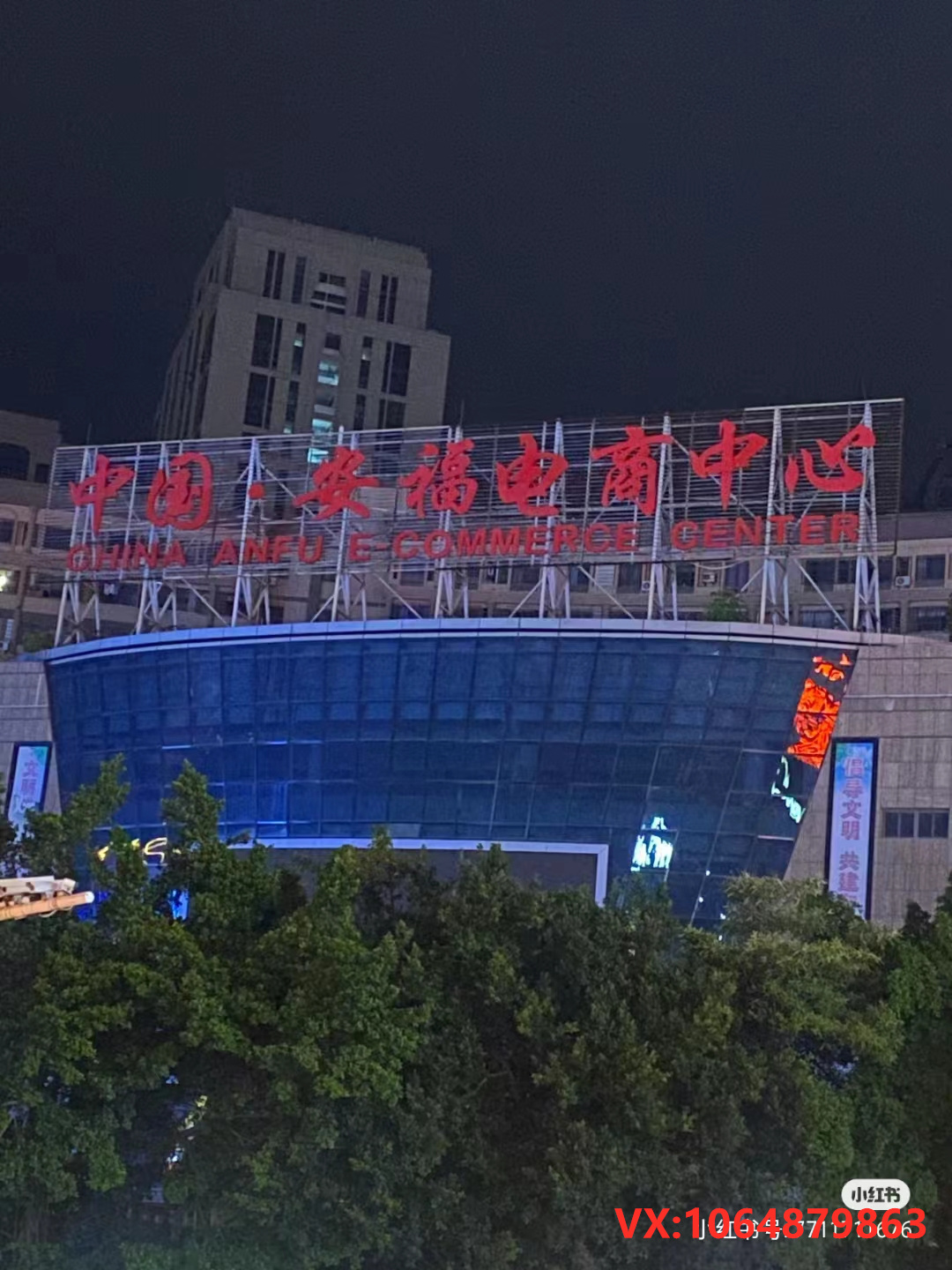
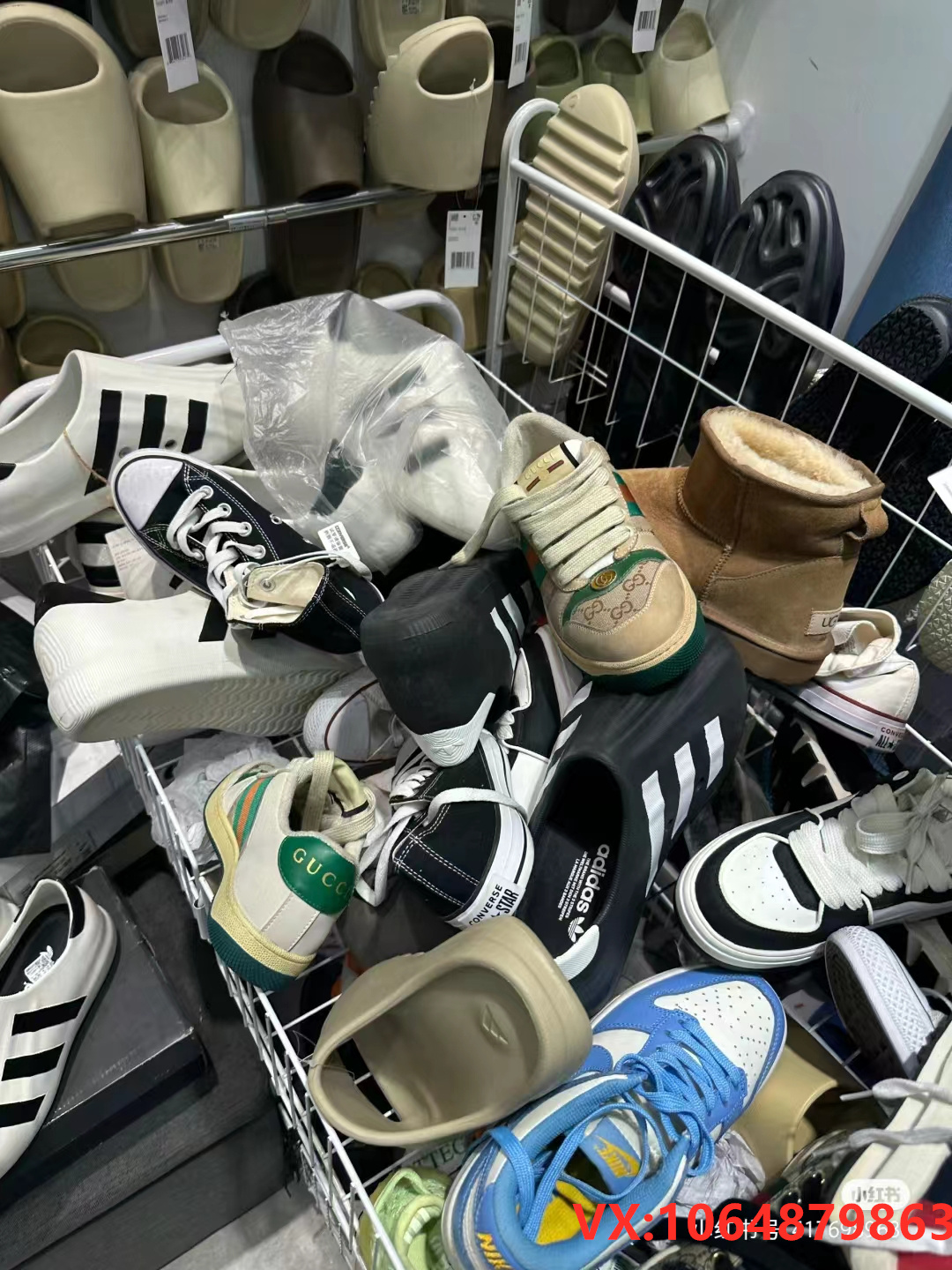
I've been standing in the same spot in the Anfu Electronic City for over fifteen years. While the internet is flooded with "how to buy" guides, most of them are written by people who have never smelled the glue fumes or felt the texture of the upper leather in a real factory. If you are an overseas buyer looking for what the market calls "China authentic Putian shoes," you need to understand that this isn't about buying fake goods; it's about sourcing high-end replicas that share the exact molds, materials, and supply chains as the big brands.
The biggest mistake foreign buyers make is trying to order directly from a website without seeing the product. In my experience, 90% of scams happen because the buyer trusts a photo on a screen rather than the physical reality of the warehouse. When I talk to clients from the US or Europe, I always tell them: come to Putian. The difference between a $30 shoe and a $150 shoe lies in the details only visible under a magnifying glass in a bustling stall.
Navigating the Labyrinth: Finding Your Way in Anfu Market
Anfu Electronic City is not just one building; it is a sprawling complex of interconnected towers, each housing hundreds of vendors. If you walk in blindly, you will get lost in seconds. The layout changes slightly every year as new buildings open up, but the core remains the same. Most reputable sellers operate out of Building A, B, and C, where the higher-tier factories have their showrooms.
The Golden Rule of the Ground Floor vs. Upper Floors
Here is a piece of insider knowledge that no blog post will tell you: the ground floor is mostly for tourists and low-quality dropshippers. The real action happens on the second and third floors. This is where the "top tier" (often called 1:1 or OG quality) is kept. I remember a client from New York who insisted on buying from a ground-floor shop because they saw a flashy sign. He ended up with shoes that looked great from afar but fell apart after two weeks of walking. That was his first lesson.
When you enter a building, ignore the flashy displays at the entrance. Ask the staff, "Where is your top-grade stock?" They will usually lead you to a back room or a specific booth on the upper level. Look for shops that display multiple pairs of the same model in different colors. If a shop only has one pair of Air Jordan 4s on display, they are likely a middleman reselling someone else's goods. Real factories have inventory depth.
Selecting the Right Partner: Factory Direct vs. Middlemen
This is the most critical part of your sourcing journey. Many foreigners think they can find a "factory" easily, but the reality is that most "factories" in Putian are actually trading companies that own relationships with the actual production lines. However, there are genuine manufacturers who run their own stalls.
Identifying Genuine Manufacturers
If you want to work with a true manufacturer, look for specific markers. First, ask if they have their own molders. Second, check if they can provide video proof of the production line, not just finished products. Third, observe how they handle returns. A middleman will try to push you away if you complain; a factory owner will say, "Let me see the defect, we will fix it." I personally recommend visiting Hengda Plaza near Anfu for the highest concentration of factory-direct stalls. Specifically, look for the booths on the 4th floor of Hengda, where several long-standing families run their operations.
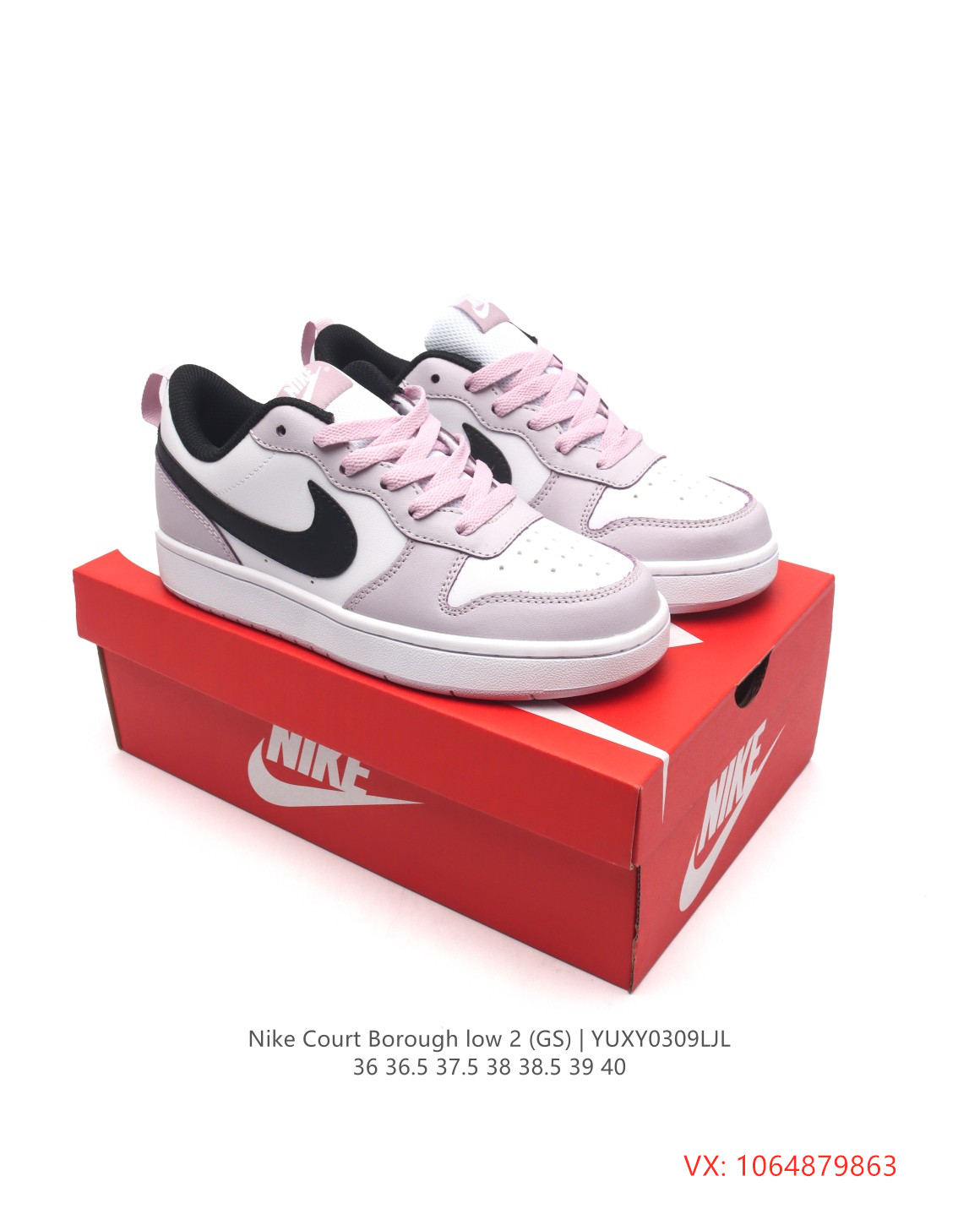
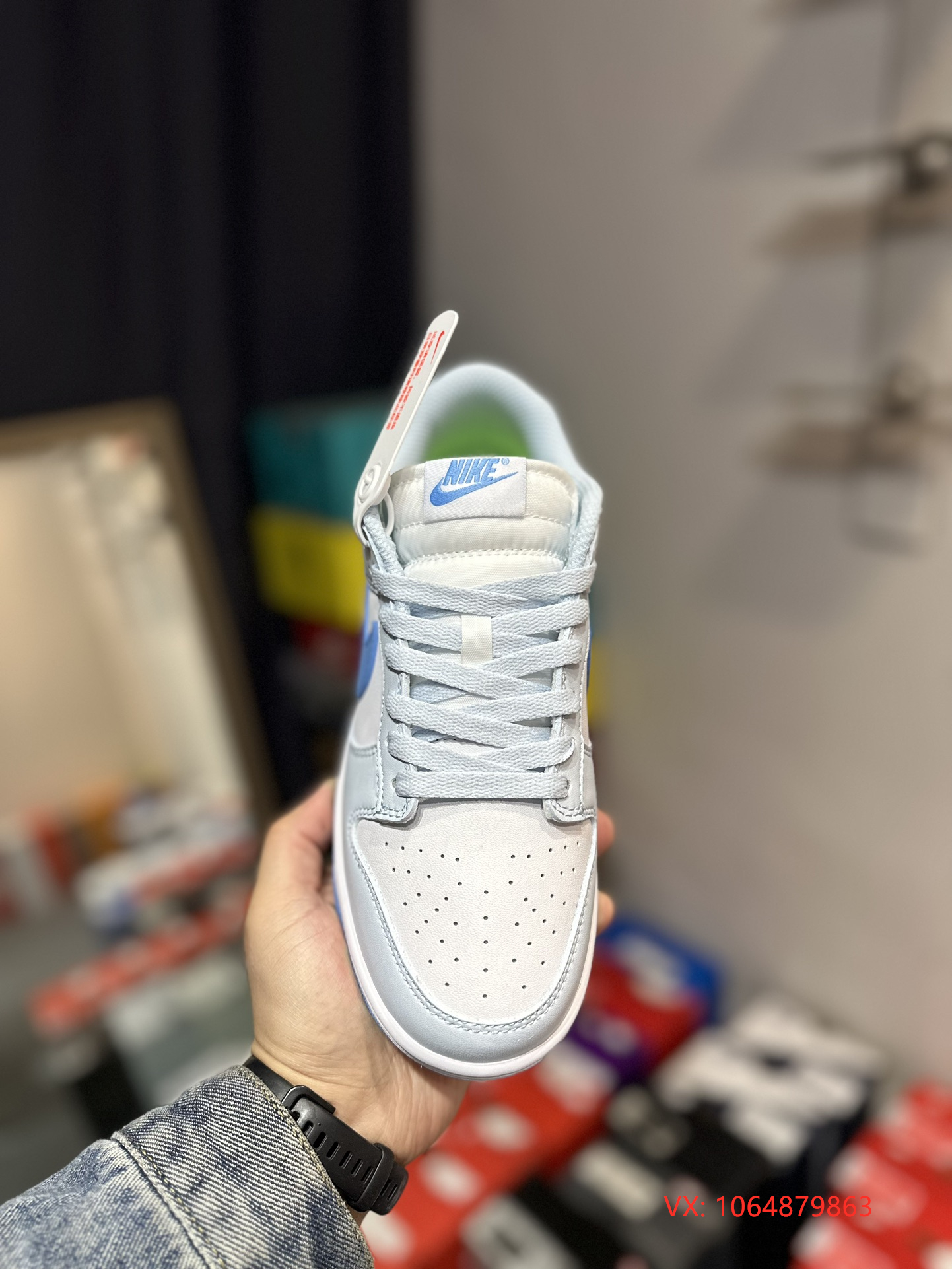
One of my favorite contacts is a family-run operation located in the Anfu Building D, 3rd Floor, Booth 305. They specialize in Nike Dunk Low and Jordan 1 retros. Unlike others who just sell, they actually control the rubber compound for the soles. This means when you order, you aren't getting a generic sole; you are getting the specific density they use for the premium versions. Their MOQ (Minimum Order Quantity) starts at just 2 pairs for testing, which is perfect for small international buyers.
The Art of Inspection: What to Look For Before You Pay
Never pay for a full shipment without inspecting a sample. Even if you trust the vendor, the quality control in Putian varies daily based on the raw material batch. When you are in the stall, bring a flashlight and a measuring tape. Here is my checklist for spotting the difference between a "low copy" and a "high copy."
Checking the Glue and Stitching
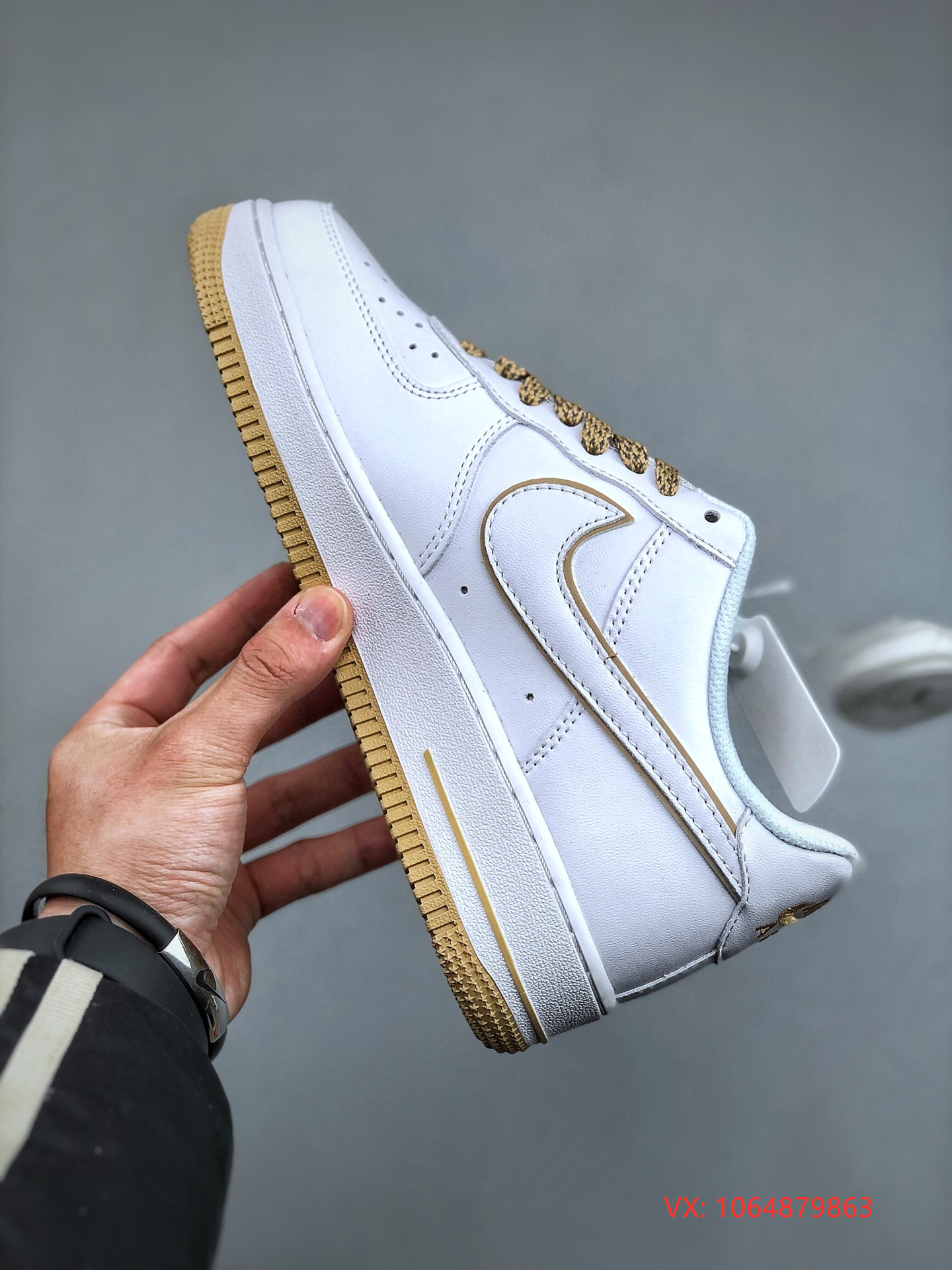
Glue stains are the easiest giveaway. High-end Putian shoes should have almost invisible glue lines. If you see white residue around the midsole, it's a lower-tier product. Also, check the stitching tension. It should be consistent, not loose or tight in random spots. I once caught a seller trying to pass off a "mid-tier" shoe as "top-tier" by simply cleaning the glue. I pointed out the uneven thread count on the heel tab, and he had to admit it was a different batch.
Another trick is to smell the shoe. Cheap rubber smells like burning plastic. Good rubber, even in replicas, has a distinct, clean scent. If the smell is overwhelming, avoid it. Also, check the box. In Putian, the boxes are often sold separately. A good vendor will send you a box that matches the shoe's era and style perfectly, including the correct font on the label.
Negotiation and Logistics: Getting Your Goods Home
once you have selected your supplier and inspected the samples, the negotiation begins. Prices in Putian are rarely fixed. They depend on the quantity, the season, and the current price of raw materials. Do not be afraid to haggle. If you are ordering 50 pairs, you should expect a discount of 10-15% compared to the retail price of a single pair.
Shipping Strategies for International Buyers
Shipping from China to the US or Europe requires careful planning. Most vendors in Anfu work with established freight forwarders who specialize in sneakers. They know how to pack the shoes to prevent crushing and how to declare the value correctly to avoid customs issues. I always advise my clients to use a "DDP" (Delivered Duty Paid) service if possible, so you don't have to worry about unexpected taxes upon arrival.
For smaller orders, many vendors use DHL or FedEx, but for bulk orders, sea freight is much more cost-effective. One thing to watch out for is the "taxi driver" scam. Some drivers outside the market will offer to take you to a "better factory" for free. Never accept this. Stick to the locations you verified online or through trusted contacts. The best way to ship is to have the vendor send the goods to a consolidation warehouse in Xiamen or Guangzhou, where they can combine your order with others to save on shipping costs.
Common Pitfalls and How to Avoid Them
Even with all this knowledge, mistakes happen. Here is a summary of the most common pitfalls I've seen foreign buyers fall into over the years.
| Pitfall | The Reality | Solution |
|---|---|---|
| Buying via WeChat without meeting | High risk of receiving low-quality goods or no goods at all. | Always request a live video call inspection before paying. |
| Ignoring the "Tier" system | Confusing "mid-tier" with "top-tier" leads to disappointment. | Ask for specific photos of the defect points (glue, stitching). |
| Overpaying for shipping | Vendors sometimes inflate shipping costs to cover their margins. | Compare shipping quotes from three different forwarders. |
| Not checking the size chart | Putian sizing can vary slightly from standard US sizes. | Measure your foot length in cm and compare with the vendor's chart. |
Final Thoughts: Building Long-Term Relationships
In the world of Putian sneakers, trust is everything. once you find a reliable vendor, treat them well. Pay on time, communicate clearly, and be honest about your feedback. Many of my best clients have been coming to Anfu for a decade, and we now operate like family. They know exactly what I can deliver, and I know exactly what they need.
If you are serious about sourcing, do not settle for the first option you find. Visit the market, walk the floors, and talk to the people behind the counters. The "authentic" Putian shoe experience is not just about the product; it is about the process of finding the right partner in a chaotic, vibrant marketplace. By following these steps and avoiding the common traps, you will be able to source high-quality footwear that meets your standards and keeps your customers happy.