Why You Need to Look Past the "Shoe Factory" Myth in Putian
Listen, I've been standing behind my stall in the Anfu E-commerce City for over fifteen years. I've seen thousands of foreign buyers walk through those heavy metal doors, looking for that perfect "shoe material spray factory" in Putian. Let me tell you something straight from the heart: if you are searching for a single building called "Putian Shoe Material Spray Factory," you are going to be disappointed. That is not how this industry works here. We don't operate like big Western corporations with one massive headquarters. Instead, we have an entire ecosystem. The spraying process isn't done in one giant plant; it is scattered across hundreds of small workshops, often hidden in residential buildings or industrial sheds right next to the wholesale markets.
When you ask where the spray factories are, you are really asking about the supply chain for custom finishes and high-quality materials. In Putian, the shoe material suppliers, the mold makers, and the painters are all neighbors. They feed into each other. If you want to find the best spray work, you cannot just look at a map. You need to know which alleyways in the Xuefeng area hold the secret workshops that handle the most delicate color matching and texture finishing. Most foreigners get stuck because they expect a formal office visit, but here, business happens in the back rooms of bustling stalls.
Navigating the Chaos of Anfu Market and Surrounding Workshops
The Real Location of Spray Operations
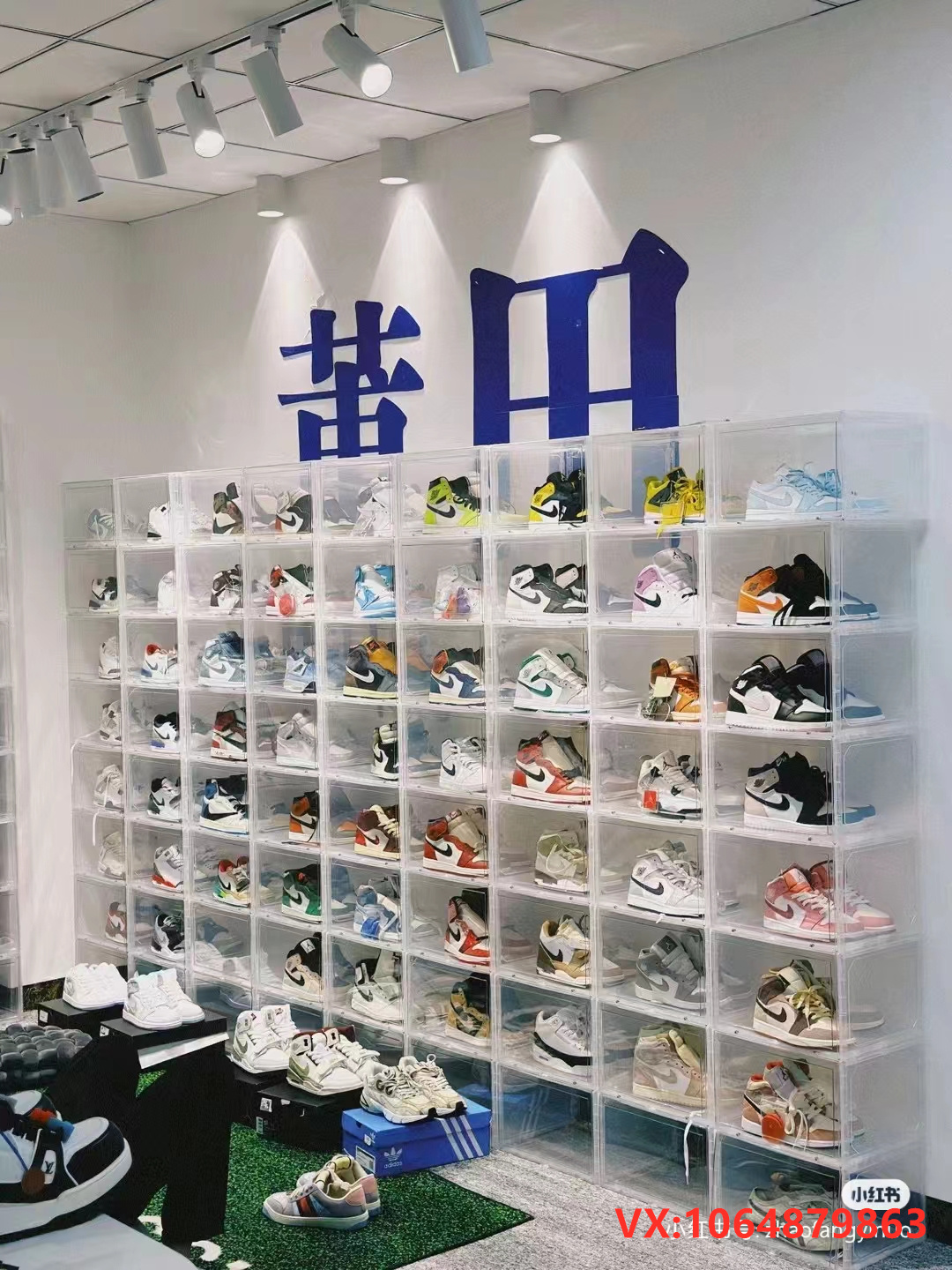
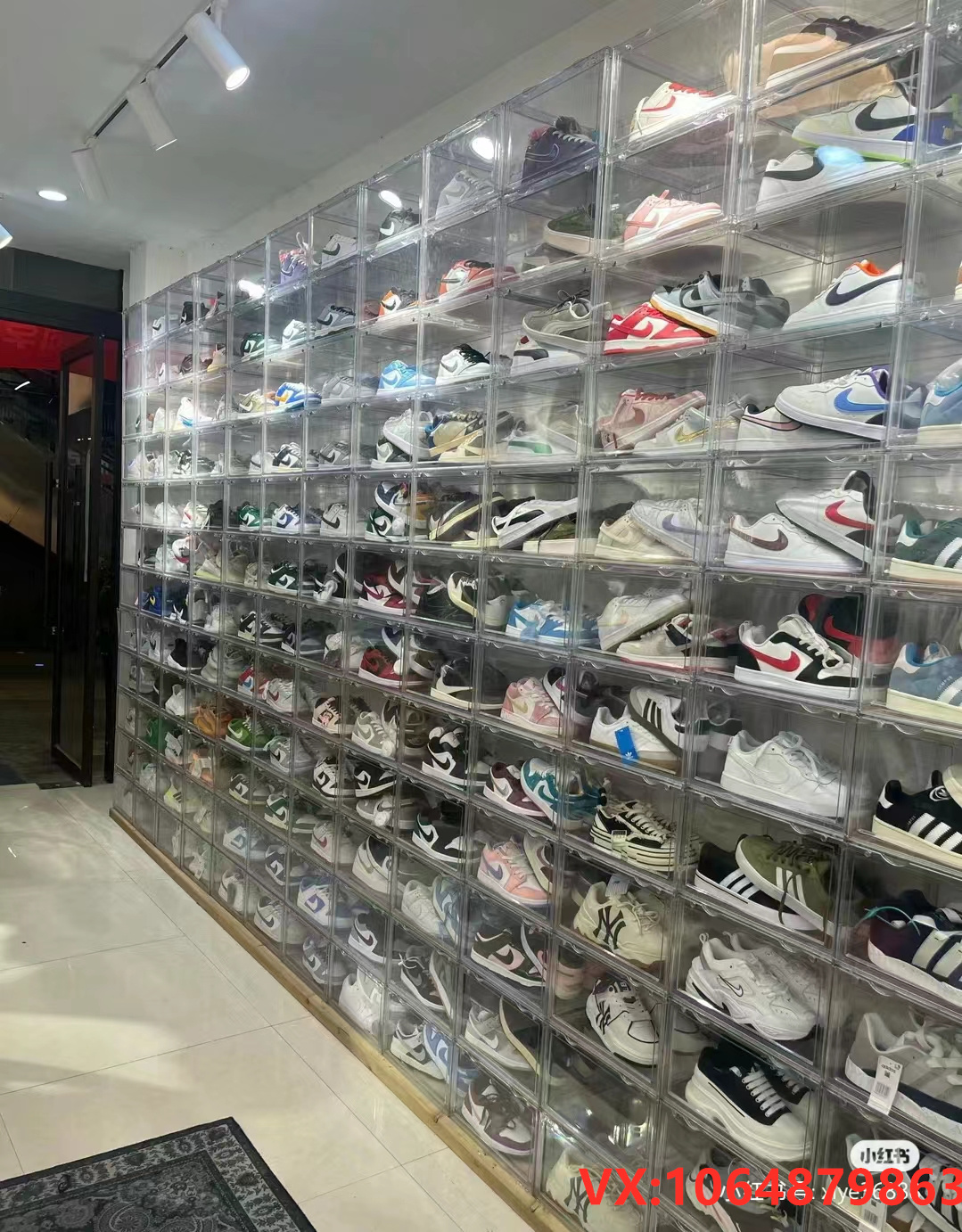
So, where exactly do these operations hide? The main hub is obviously the Anfu E-commerce City, but the actual painting and coating work rarely happens inside the showrooms on the ground floor. Those are just for display. When you walk past the crowds of tourists and local traders, head towards the side streets connecting Anfu to the nearby industrial zones like Chengbei or the older districts near the train station. That is where you will find the "spray workshops."
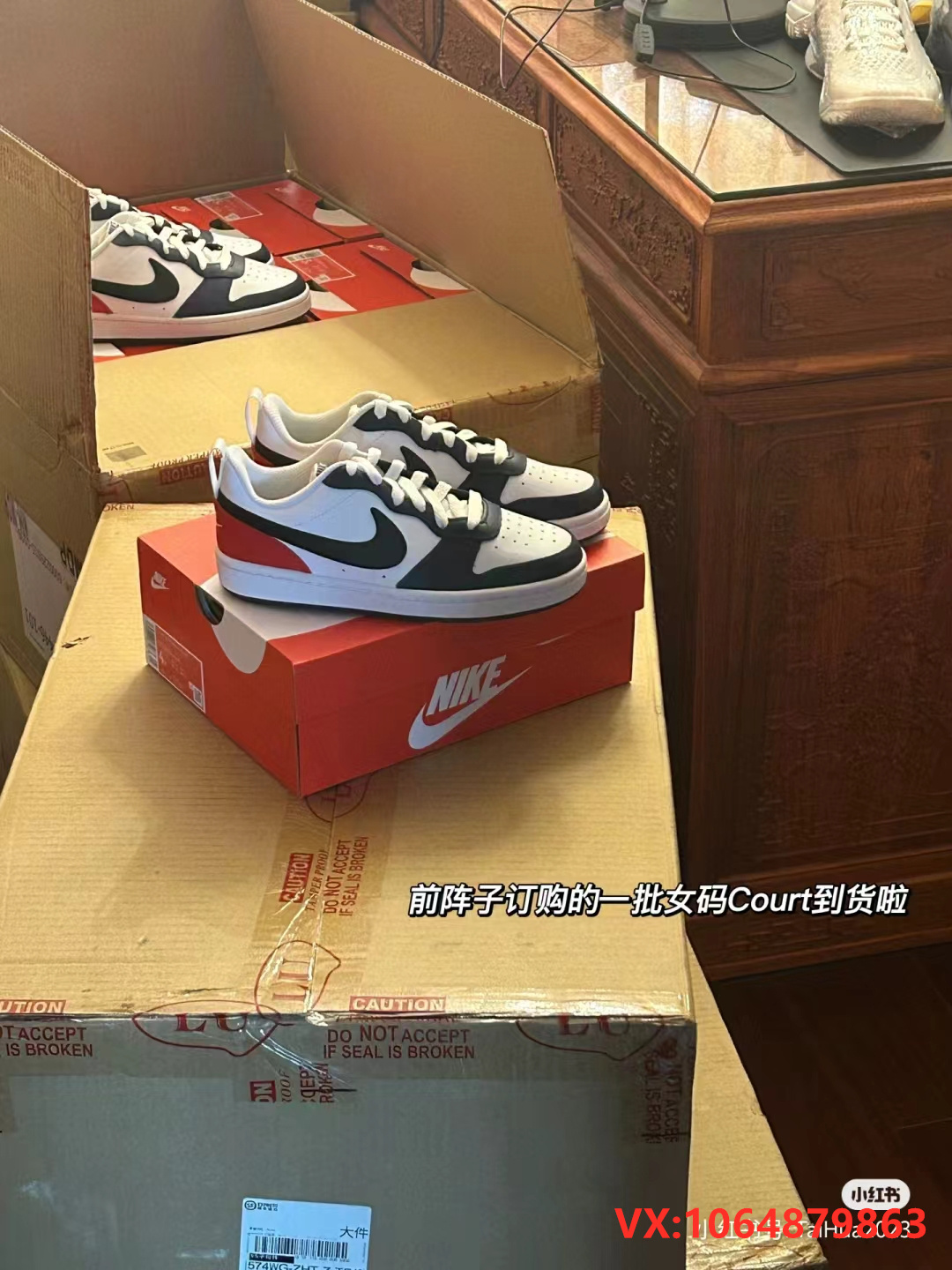
I remember a buyer from Italy last year who spent three days calling numbers online, trying to find a "factory." He was frustrated until I took him to a small workshop in a converted warehouse two blocks away from the market entrance. It wasn't fancy. No signboard, just a door with a faded sticker. Inside, there were rows of shoes being sprayed by hand, smelling of strong solvents and paint. That was the real deal. These places specialize in custom colors, distressed effects, and premium PU leather treatments. If you are looking for Putian sneaker customization or high-end shoe material sourcing, this is where the magic happens. Do not rely solely on Google Maps; the coordinates change as businesses move to avoid rent hikes or inspections.
How to Spot a Legitimate Workshop
When you are walking through these narrow alleys, how do you know if a place is legitimate? A fake operation will try to sell you pre-made goods. A real spray workshop will talk about materials. Ask them what kind of paint they use. Are they using imported Japanese lacquers or cheap domestic alternatives? Can they match a specific Pantone color code? In my experience, the good workshops can show you swatches of leather and fabric samples immediately. They understand the chemistry of adhesion and durability. If they hesitate or just point to a pile of finished shoes without discussing the process, walk away. The best Putian shoe manufacturers are proud of their craftsmanship and will let you see the raw materials before the final coat goes on.
The Art of On-Site Sourcing and Quality Control
Seeing the Process Before You Buy
One of the biggest mistakes foreign buyers make is ordering based on photos sent via WhatsApp. Photos lie. Colors shift under different lighting, and texture details get lost in compression. My advice is simple: come to Putian. Stand in front of the spray booth. Watch the painter's hand. See how many coats they apply. This is crucial for anyone looking for custom sneaker production in China. When you are physically there, you can smell the difference between a low-quality solvent smell and the cleaner scent of eco-friendly paints. You can touch the surface while it is still drying to check for dust particles or uneven coverage.
I always tell my international clients to bring a light meter or even just a smartphone camera with a macro lens. Take pictures of the shoes under natural sunlight, not just the harsh fluorescent lights of the market. This helps you verify the finish quality. Many buyers think they are getting premium leather, only to find out later that the base material was poor and the spray job just covered up the flaws. By inspecting the material first, then the spray, you ensure the final product meets your standards. This is the only way to avoid the nightmare of receiving a container full of mismatched colors.
Negotiating and Building Trust with Local Suppliers
once you find a workshop, how do you negotiate? Don't act like a tourist. Act like a partner. Speak directly to the owner or the head painter. Show them you understand the market. Mention that you are interested in long-term cooperation, not just a one-off order. In Putian, relationships are everything. If you treat the supplier with respect and pay on time, they will give you priority when demand is high. They might even offer you better rates for larger volumes or help you source rare materials that are hard to find elsewhere.
Be careful with payment terms. Never transfer 100% upfront without seeing a sample. A standard practice here is to pay a deposit, say 30%, and the rest upon inspection before shipping. Some reputable suppliers might even allow you to hire a third-party inspector to check the goods before the final payment. This builds trust. Also, clarify the lead time. Spray jobs take time to dry and cure. Rushing the process often leads to peeling paint or sticky surfaces. If you need speed, discuss it openly, but understand that quality cannot be compromised for speed.
Avoiding Pitfalls and Ensuring Smooth Transactions
Common Scams and How to Dodge Them
There are pitfalls everywhere in the Putian shoe wholesale market. One common scam is the "sample vs. bulk" switch. They send you a perfect sample, but the bulk order uses inferior materials and cheaper paint. To avoid this, insist on a "pre-production sample" that matches the exact batch you will receive. Another issue is the hidden costs. Shipping, customs duties, and packaging fees can add up quickly. Make sure your contract includes all these details. Also, be wary of agents who claim to represent multiple factories but actually just resell goods from others. Always try to meet the actual worker or owner face-to-face.
Language barriers can also lead to misunderstandings. While many locals speak some English, technical terms regarding paint types, curing times, and material grades might get lost in translation. Use visual aids. Draw diagrams, show reference photos, and keep a written checklist of requirements. This protects both parties. Remember, the goal is to build a sustainable supply chain, not just make a quick sale.
Final Thoughts on Finding Your Perfect Partner
Finding the right Putian shoe material spray factory is less about finding a specific address and more about understanding the network. It is about knowing where to look, what to ask, and how to verify. The Anfu market and its surrounding workshops are a treasure trove for anyone willing to put in the effort. They offer flexibility, speed, and creativity that few other places in the world can match. Whether you are looking for custom sneaker manufacturing or simply sourcing high-quality materials, the key is to go there, see it with your own eyes, and build a relationship based on mutual respect.
Don't be afraid to explore the back alleys. Some of the best workshops are tucked away in quiet corners, far from the noisy main streets. These are the places where true craftsmanship lives. So, pack your bags, come to Putian, and let the local experts guide you through the maze of options. You will find exactly what you need if you approach it with patience and the right mindset. Happy sourcing!