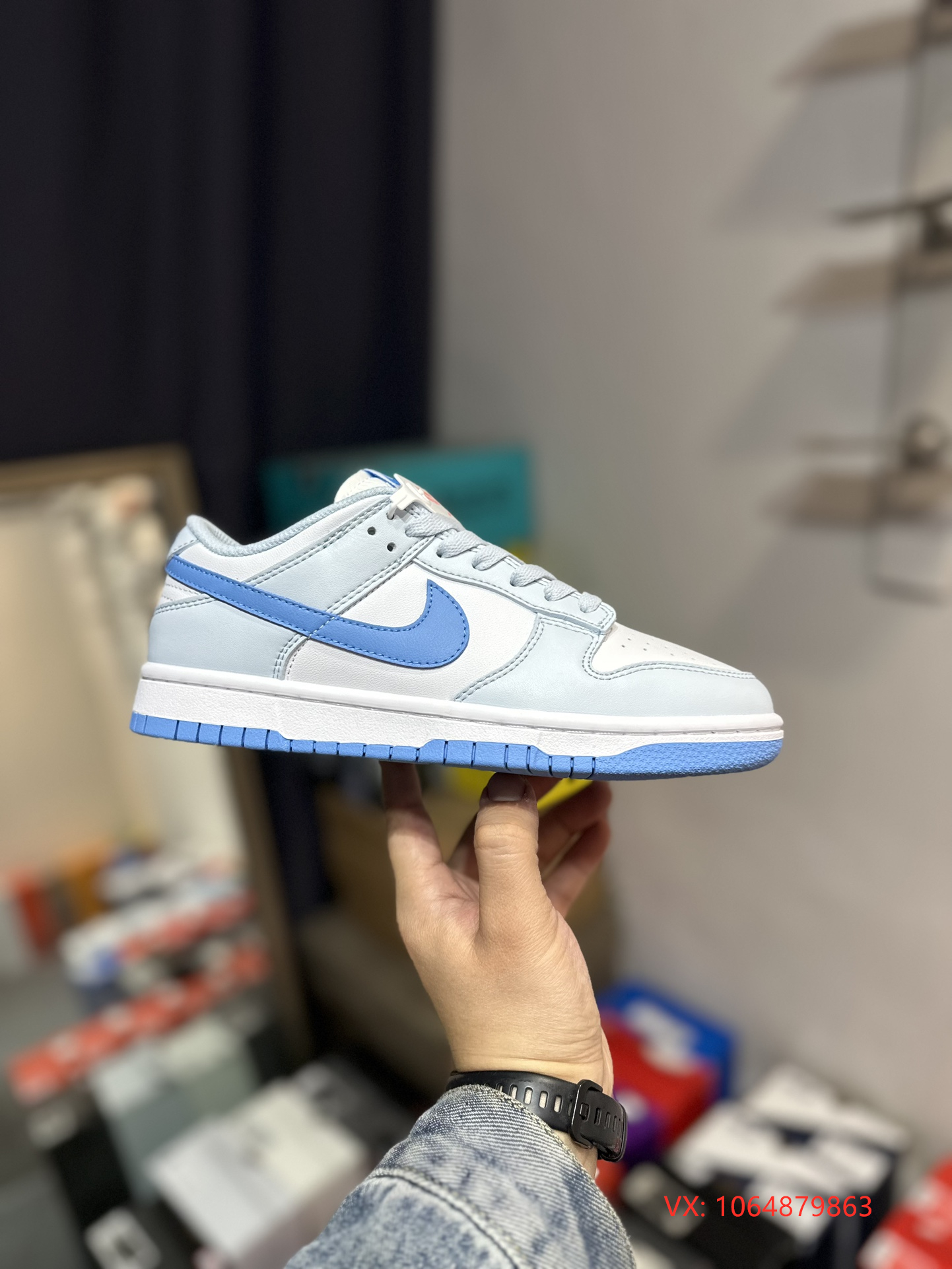
What Kind of Business Are Putian Shoes Actually?
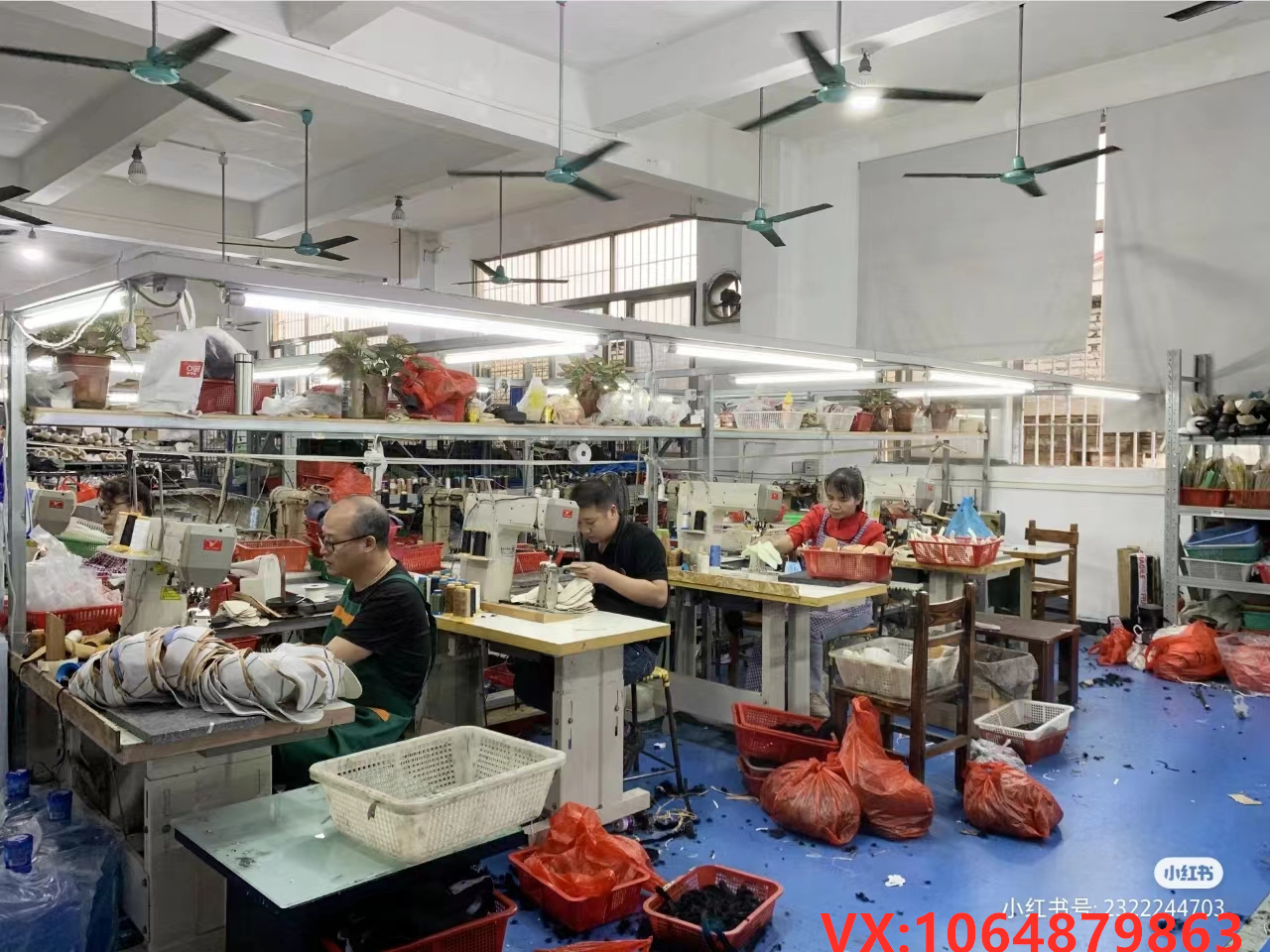
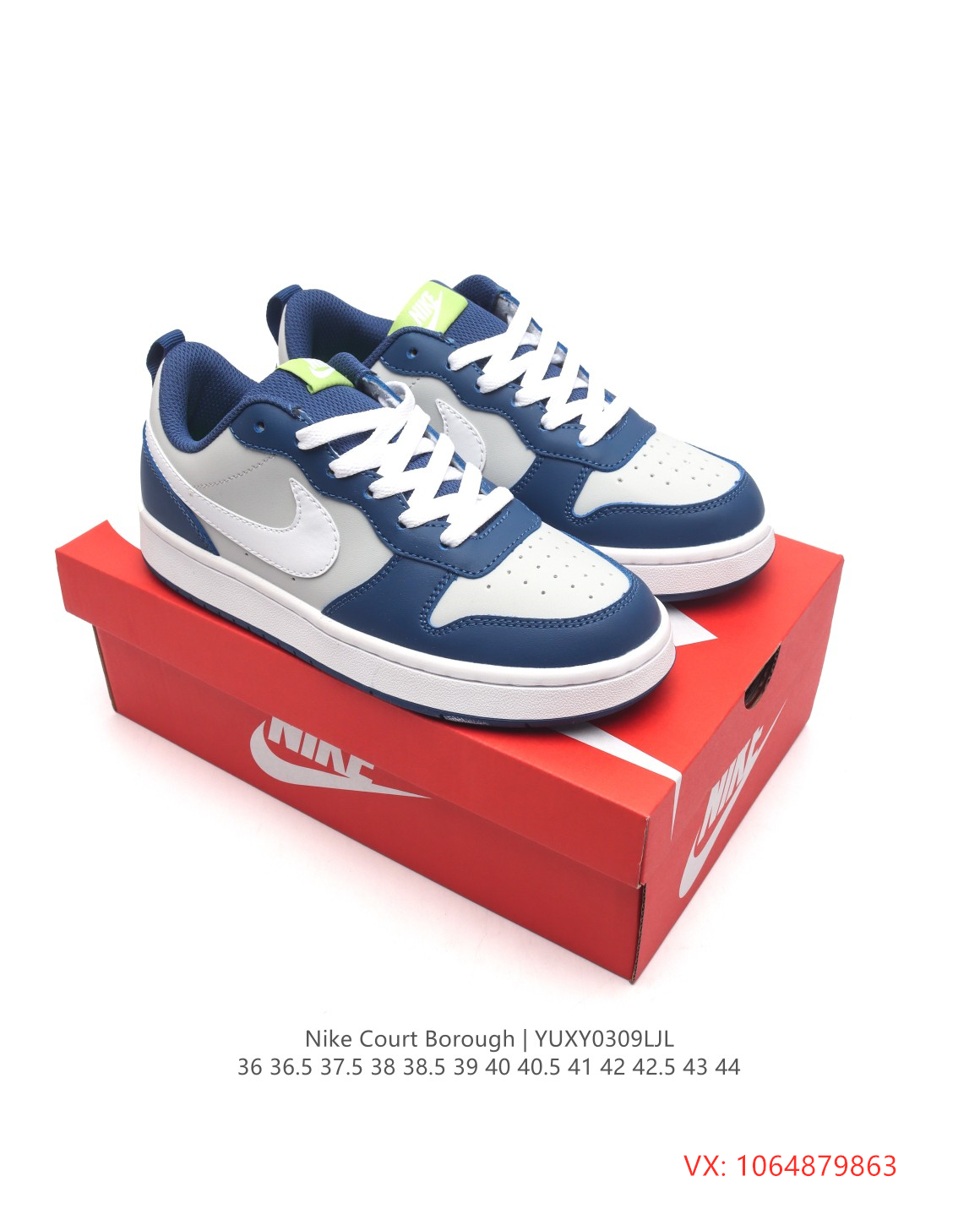
Welcome to the real world of footwear sourcing. If you are reading this, you probably think "Putian shoes" is just a brand name or a specific factory type. Let me tell you straight from my decades standing in the Anfu Electronic Commerce City: it is not a single company, nor is it a corporate entity with a logo on a building. When foreign buyers ask me what category Putian shoes belong to, I always laugh and say, "It's a whole ecosystem." We are talking about thousands of small workshops, trading companies, and individual stall owners all clustered together in one massive district. There is no "Putian Shoe Corporation." Instead, you have a chaotic, vibrant network of supply chains where some guys make the molds, others stitch the leather, and we—the stall owners—are the ones connecting the dots between production and your wallet.
The Myth of the Single Brand
Many overseas clients come to me expecting to find a registered trademark like Nike or Adidas right here in Putian. They are shocked when I tell them that the vast majority of what we sell has no official brand registration at all. In the eyes of Chinese law, these are often categorized as "unbranded" or "replica" goods, which puts us in a legal gray area that most Westerners don't fully grasp until they step into our market. But for you, the buyer, the business category is simply "wholesale manufacturing hub." We are the source. The moment you walk into Anfu, you are entering a zone where intellectual property rules are bent, but quality standards vary wildly depending on who you talk to.
Navigating the Anfu Market: A Local's Guide
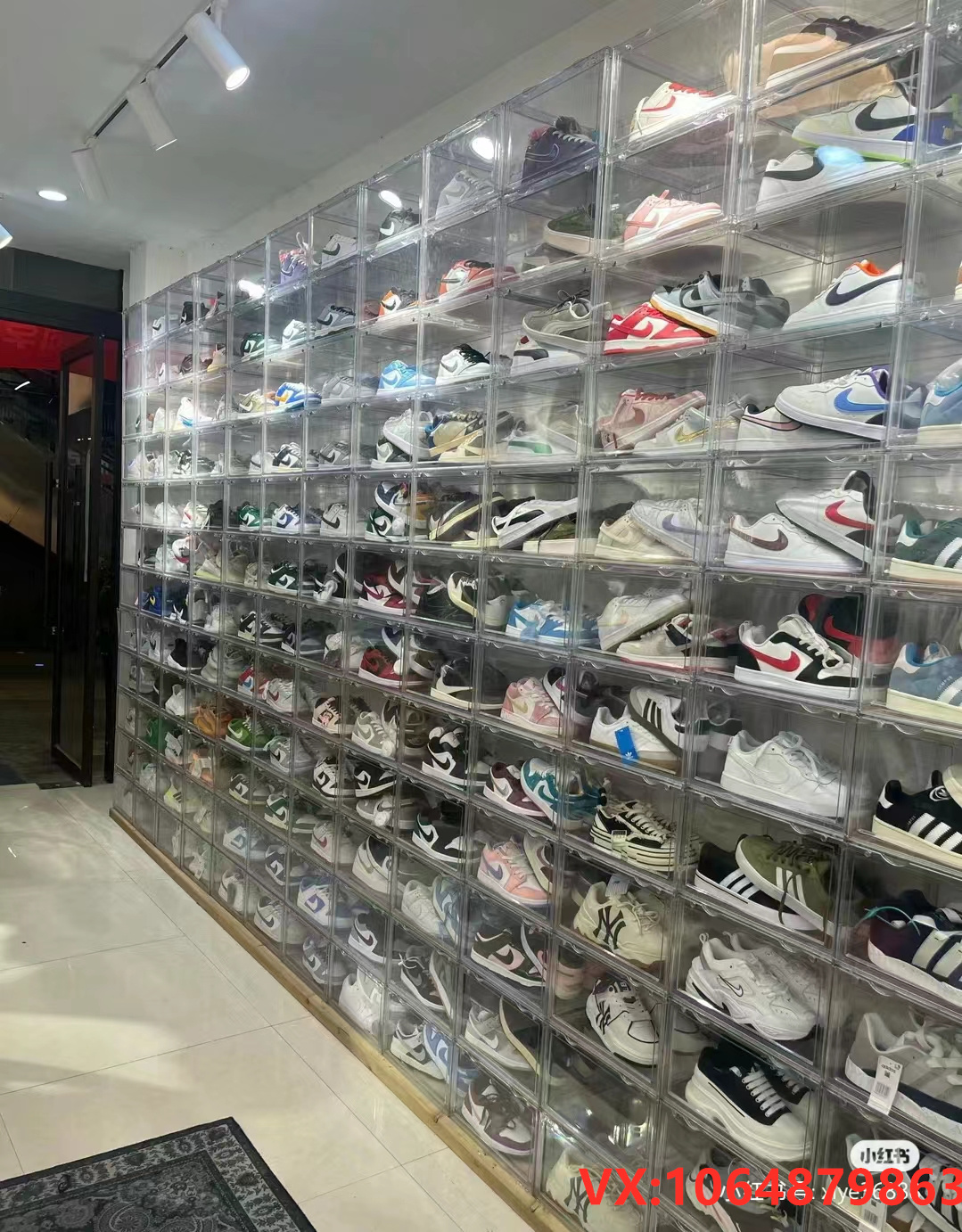
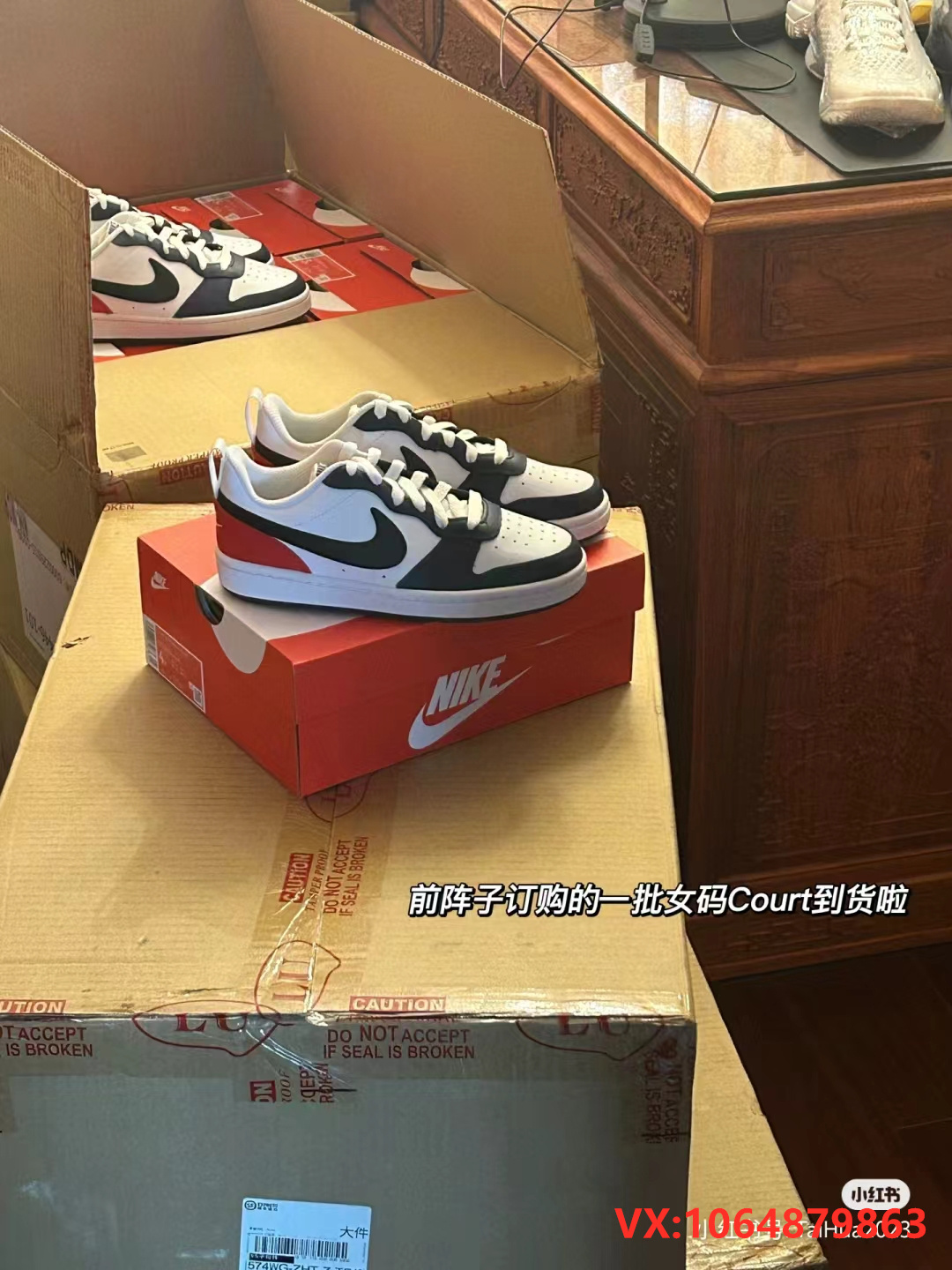
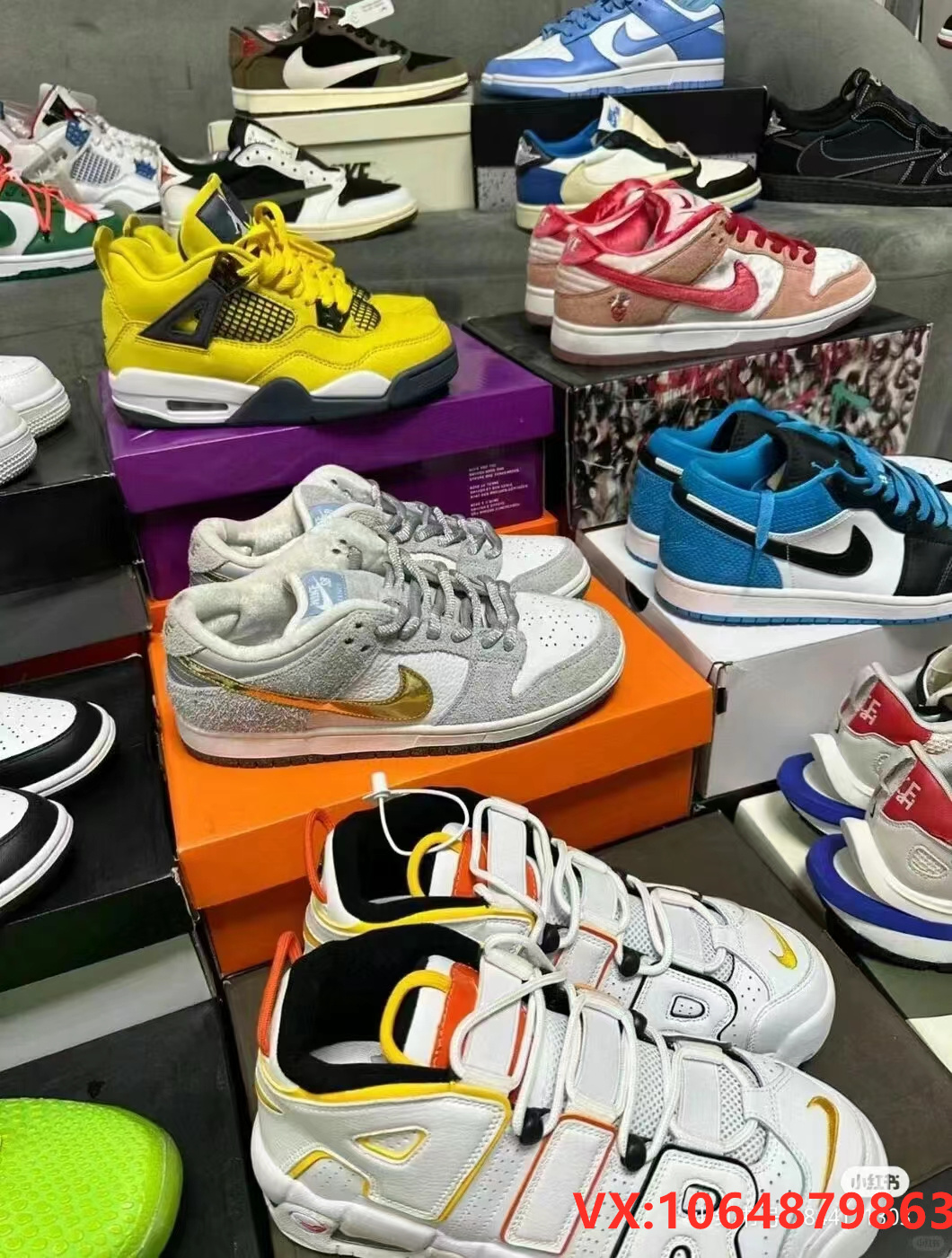
If you want to survive here without getting ripped off, you need to understand the layout. Anfu isn't a mall; it is a war zone of commerce. You will see rows of shops stacked three stories high, filled with boxes and samples everywhere. This is where the real action happens. Foreigners often get lost because they look for big signs, but here, success belongs to those who know how to read the subtle cues of a stall owner.
First Impressions and Stall Selection
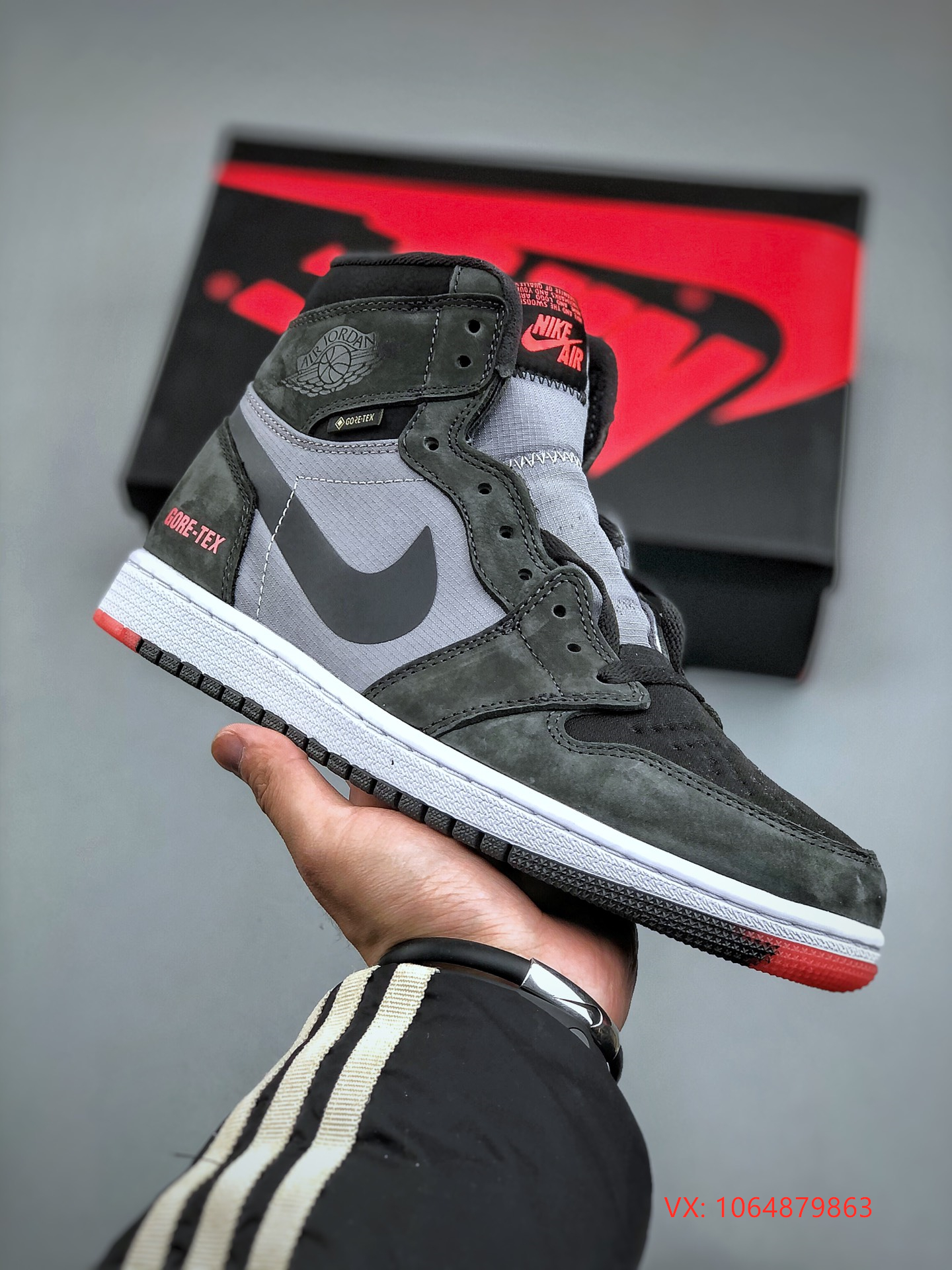
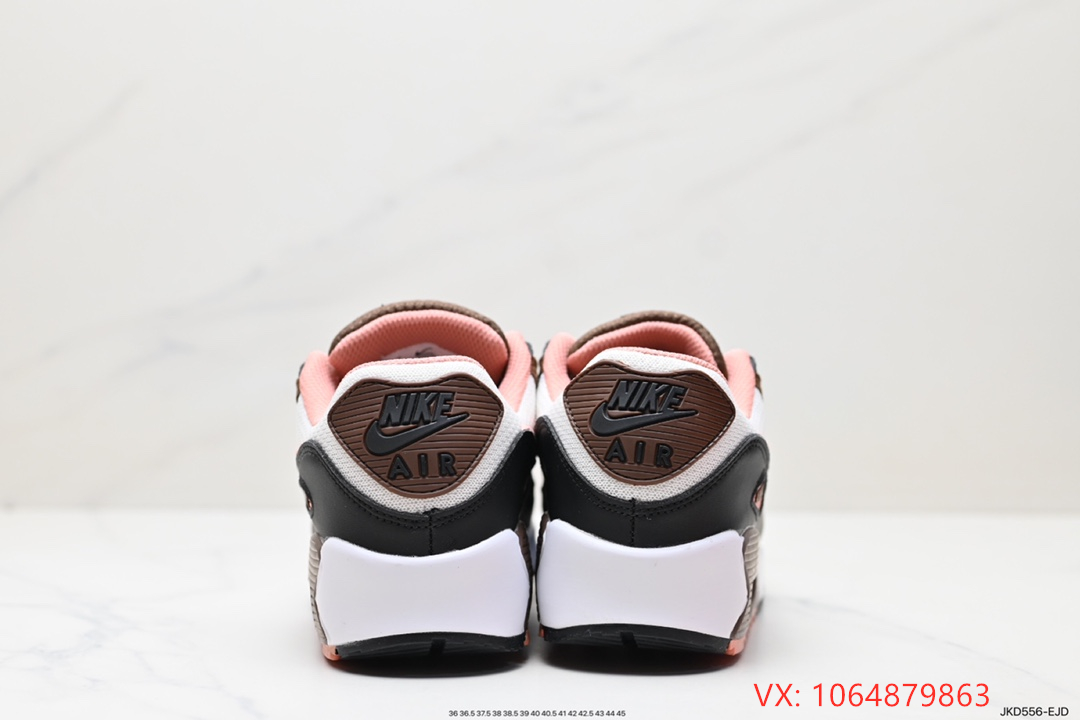
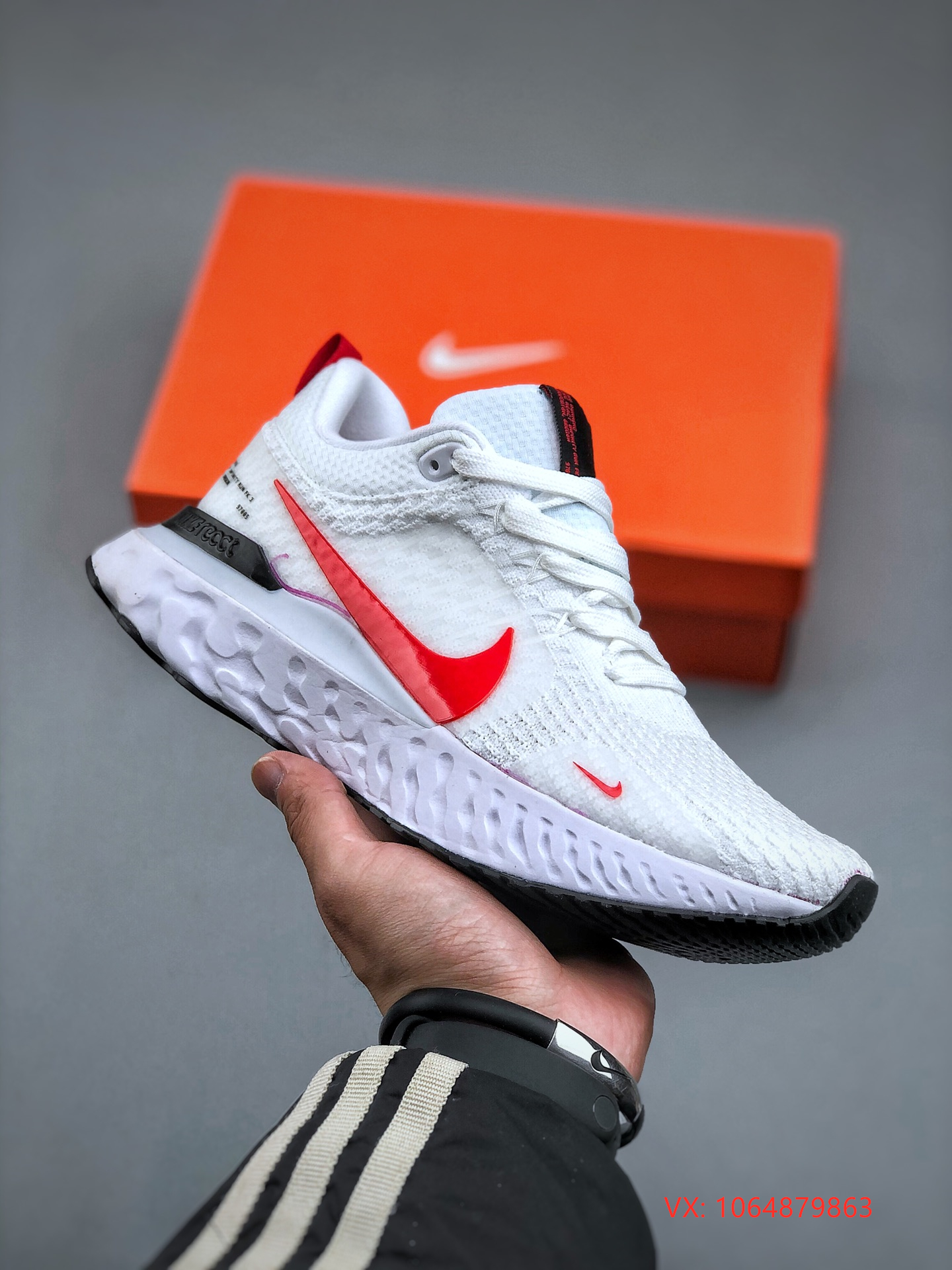
When you first arrive, do not just wander around aimlessly. Look for stalls that display the latest models immediately. If a shop only shows old stock or generic sneakers, move on. The serious suppliers, the ones who can handle large orders for international clients, usually keep their best inventory hidden behind the counter or in the back room. They know that showing everything to everyone dilutes their value. Start by asking for the "top tier" versions. In our local slang, we call this the "1:1" or "pure version." These are the items made with the same molds and materials as the big brands, even if they lack the official tags. This is exactly what Google searches for "high quality replica sneakers" are looking for, but you won't find them on a website; you find them face-to-face here.
The Art of Negotiation and Pricing
Here is a secret that no online guide will tell you: the price you see on the shelf is never the final price. In Putian, pricing is an art form based on volume and relationship. If you walk in as a tourist, you will pay double. If you walk in as a buyer who knows the difference between "medium quality" and "top quality," you might get a decent deal. I have seen foreigners try to haggle over $5 per pair, only to realize they were buying junk. The real money is saved by understanding the tiers. We have the "market version" for cheap bulk sales, the "factory version" for mid-range, and the "original mold version" for premium resellers. Don't be afraid to ask, "What is the difference between this box and that box?" A good supplier will show you the stitching, the glue smell, and the sole hardness to prove the value.
Quality Control and Sourcing Strategy
One of the biggest fears for overseas buyers is receiving a shipment full of garbage. That is why physical inspection is non-negotiable. You cannot rely on photos sent via WhatsApp or WeChat. Those images are often edited or taken from different batches. When you are here, you must touch, bend, and smell every single pair before you commit to a purchase order.
On-Site Inspection Techniques
I always tell my regular customers to bring a magnifying glass and a ruler. Check the alignment of the stripes, the density of the foam, and the consistency of the glue lines. In Anfu, there are specialized QC stations where you can send a sample for a quick check before shipping. Some advanced suppliers even offer video calls where they pull out the exact batch you are interested in from the warehouse. This transparency builds trust. If a seller refuses to let you inspect the goods personally or insists on sending pre-packaged boxes without review, run away. That is a red flag for low-quality knockoffs that will fail within weeks of wear.
Building Long-Term Supplier Relationships
The key to sustainable sourcing in Putian is not finding the cheapest price once, but finding the most reliable partner. Many foreign buyers treat us like vending machines, but we are humans. If you return year after year, buy consistently, and treat us with respect, we will give you priority access to new molds before anyone else gets them. We have private groups where we share updates on upcoming releases. Being part of that circle means you get the "hot" styles before they hit the global market. This is the real advantage of being physically present in the market versus ordering from a random dropshipping site.
Avoiding Pitfalls and Legal Realities
We must address the elephant in the room: customs and legality. While we operate legally within China as manufacturers and wholesalers, the export of counterfeit goods is a sensitive topic. As a local boss, I advise my international partners to be smart about how they ship. Do not label packages as "Nike" or "Adidas" if they are replicas. Use generic terms like "sports shoes" or "training footwear." Also, be aware that different countries have different tolerance levels for IP violations. Some places are strict, while others turn a blind eye. Understanding these nuances is part of the job description for any serious importer.
Scams to Watch Out For
There are scammers everywhere, even in Anfu. You might meet someone claiming to be a "factory manager" who offers you prices too good to be true. Remember, if it sounds too cheap, it is likely fake leather or poor glue. Always verify the identity of the person you are dealing with. Ask to see their business license, visit their actual workshop if possible, and never transfer large sums of money without a secure escrow service or a deposit structure that protects both parties. Trust is earned through repeated interactions, not promises.
Final Thoughts for the Global Buyer
So, to answer your question again: Putian shoes are not a single enterprise category. They are a dynamic, decentralized network of artisans, traders, and manufacturers operating in a unique cultural and economic environment. If you want to succeed in this market, you must stop thinking like a consumer and start thinking like a partner. Come down to Anfu, walk the floors, shake hands, and build relationships. The knowledge you gain from standing in the middle of the noise, smelling the rubber, and seeing the craftsmanship firsthand is worth more than any SEO article or online catalog. This is where the real business happens, and this is where the future of affordable, high-quality footwear is being shaped every single day.