
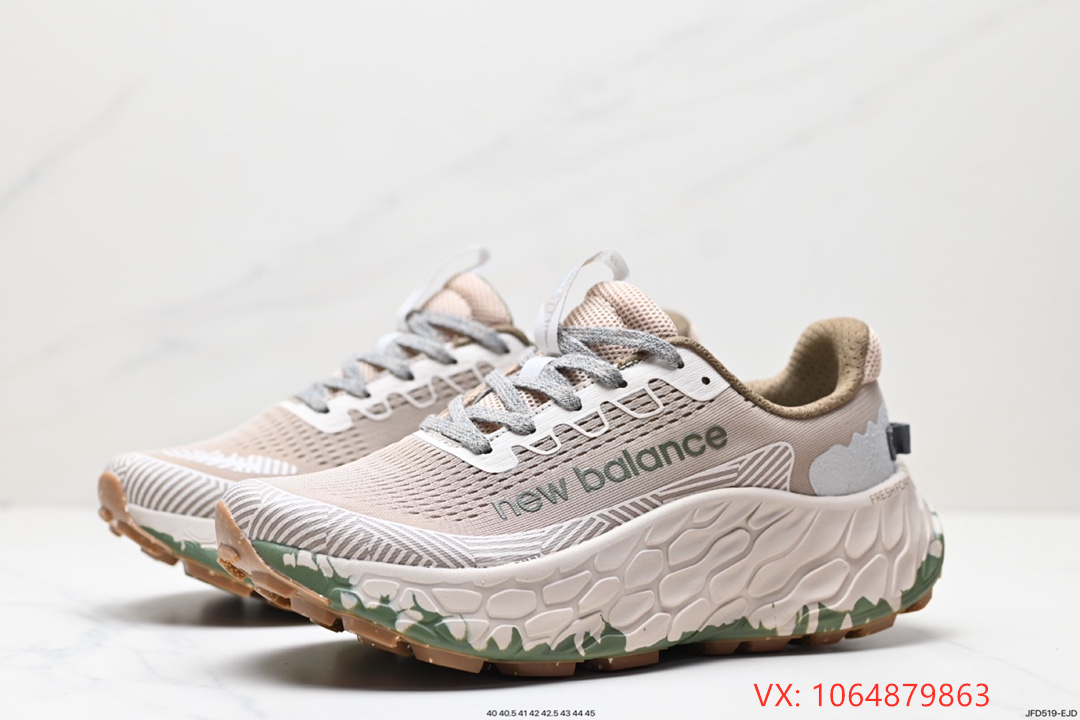
Inside the Anfu Market: A Veteran's Guide to Pu'er Shoe Grades
Welcome to the real deal. I have been standing behind my counter in the Anfu Electronic City for over fifteen years, watching thousands of foreign buyers walk through those heavy glass doors with a mix of excitement and confusion. You see them scanning their phones, asking about "Luka," "Jordan 4s," or "Yeezy 350s," but when it comes to the actual quality tiers, most of them are completely lost. They think there is one single standard, but let me tell you, the market here is far more complex than that. If you want to source successfully without getting ripped off, you need to understand the hierarchy we use locally. It is not just about price; it is about the mold, the leather, and the glue.
The Hierarchy of Quality: From Trash to Top Tier
First, let us clear up the biggest myth. There is no official government grading system for these shoes. The terms you hear like "Market Version" or "Top Copy" are slang created by the factories and the middlemen to categorize products based on how close they are to the authentic retail version. When you ask me what grade you are looking at, I usually break it down into four distinct levels that define your entire sourcing strategy.
Level One: The "Market Version" (The Low-End)
This is what you will find if you go to the street stalls near the main entrance or buy from random WeChat contacts who promise you the world for fifty dollars. In our industry, we call this the "Market Version." These shoes are made with cheap synthetic materials, often using recycled rubber soles that smell terrible. The stitching is sloppy, the logos are slightly misaligned, and the box is usually a flimsy cardboard that breaks within days. For a serious buyer looking to resell in the US or Europe, this is garbage. However, for someone looking for a cheap pair to wear once or for a specific budget-conscious demographic, it exists. But be warned: the profit margin on these is razor-thin because the return rate is high due to quality complaints.
Level Two: The "Mid-Grade" (The Standard)
As you move deeper into the warehouse buildings of Anfu, you start seeing the "Mid-Grade" options. This is wher the average tourist or small-scale droshipper usually stops. The materials are better—real leather is used more often, though sometimes it is lower-grade cowhide. The molds are decent copies of the original factory molds, meaning the shape is correct, but the details might lack precision. The glue lines might be visible upon close inspection, and the air cushioning in the sole might feel a bit stiff compared to the genuine article. If you are buying for a local market that does not demand perfection, this tier works. But if you are targeting customers who know their sneakers, they will spot the difference immediately.
Level Three: The "Pure Version" (High Quality)
This is the sweet spot for most of my regular international clients. We call this the "Pure Version" or sometimes "Semi-Genuine." Here, the factories use the same raw material suppliers as the big brands. The leather comes from the same tanneries, the foam density matches the retail specs, and the molds are updatd regularly to match the latest production runs. The craftsmanship is meticulous. When you hold a Pure Version shoe, the weight feels right, the tongue padding is soft, and the branding is sharp. The only thing missing is the official logo stamp on the box and the receipt. For a buyer looking to build a reputation for selling high-quality replicas, this is the bread and butter. It commands a higher price point, but the customer satisfaction is significantly better.
Level Four: The "1:1" or "Top Tier" (The Elite)
Now, let us talk about the absolute best. This is the "1:1" grade, which stands for one-to-one replication. These are the shoes that give me the most trouble to explain because even I cannot always tell them apart from the ones sold in Nike stores. To get this level, the factory must have access to the original molds before the public release, often obtained through insider connections. The materials are identical, the stitching count per inch is exact, and the packaging includes everything from the dust bags to the specific tissue paper and stickers. The cost to produce these is incredibly high, sometimes approaching forty percent of the retail price. only the most sophisticated buyers come to me for this. They do not care about saving a few dollars; they care about zero defects. If you are planning to sell to collectors or high-end boutiques, this is the only option that matters.
Navigating the Physical Market: A Buyer's Survival Guide
Understanding the grades is step one, but walking the floor of Anfu is wher the real battle begins. Many foreigners try to order online without ever visiting, and that is wher they lose money. Let me share some hard-earned lessons from my time dealing with overseas partners.
Seeing is Believing: The importance of Physical Inspection
You cannot judge the quality of a shoe by a photo sent over WhatsApp. Lighting can hide flaws, and angles can distort the texture. When you visit my shop, I will show you the "Golden Sample." This is the physical reference piece that defines the current standard for that specific model. I will hand you the shoe and ask you to check the heel tab alignment, the stiffness of the midsole, and the smell of the glue. If you are looking for the "1:1" grade, I will pull out a pair that has been sitting in the back room specifically for VIP clients. Do not settle for the display models on the shelf unless you are sure they are the top tier. Always ask to see the inside of the shoe. The lining material and the insole printing are the easiest places for factories to cut corners.
Building Trust with the Vendor
In the beginning, many buyers treat me like a vending machine. They send a message saying, "Send me the cheapest Jordan 4s." That tells me nothing. To get the best service, you need to speak the language of the trade. Tell me exactly what you need. Are you targeting the US market? Do you need the "Bred" colorway or the "Chicago"? Be specific about the grade. If you say you want "high quality," I will assume you mean Mid-Grade. If you say you want "top tier," I will bring out the 1:1s. Building a relationship means showing up consistently. If you place a large order, I will prioritize your shipment and hold stock for you. If you are a new buyer, I will offer you a sample first. Never pay the full amount upfront without a deposit agreement. A good vendor will never ask for 100% payment before you see the goods.
Avoiding the Pitfalls: What to Watch Out For
There are scammers everywher, even in Anfu. Some shops claim to have the "Genuine Factory" stock, but they are just selling Mid-Grade shoes at Premium prices. The trick is to compare. Ask to see two different pairs of the same model side by side. The difference in the leather grain and the sole flexibility will be obvious. Also, beware of the "rush orders." If a factory promises to deliver a limited edition shoe three days after the global launch, it is likely a lie. Real production takes time. Another common trap is the "fake box." Even if the shoe is perfect, a bad box ruins the resale value. Inspect the box code, the barcode, and the QR codes. Finally, always test the shipping method. Use a reliable freight forwarder who specializes in sneaker logistics. Do not trust the courier recommended by a random seller without checking their track record.
Final Thoughts on Sourcing Success
The market in Putian is a jungle, but it is also a goldmine for those who know how to navigate it. The key is patience and education. Do not rush into a deal. Take your time to walk the aisles, talk to multiple vendors, and compare the samples. Whether you are looking for the affordable Market Version or the elite 1:1 replica, understanding the nuances of the supply chain will save you thousands of dollars in the long run. Remember, the best deals are not found in the flashiest storefronts, but in the quiet corners of the warehouses wher the real work happens. Come to Anfu, look at the shoes with your own eyes, and build a business that lasts. That is the only way to win in this game.

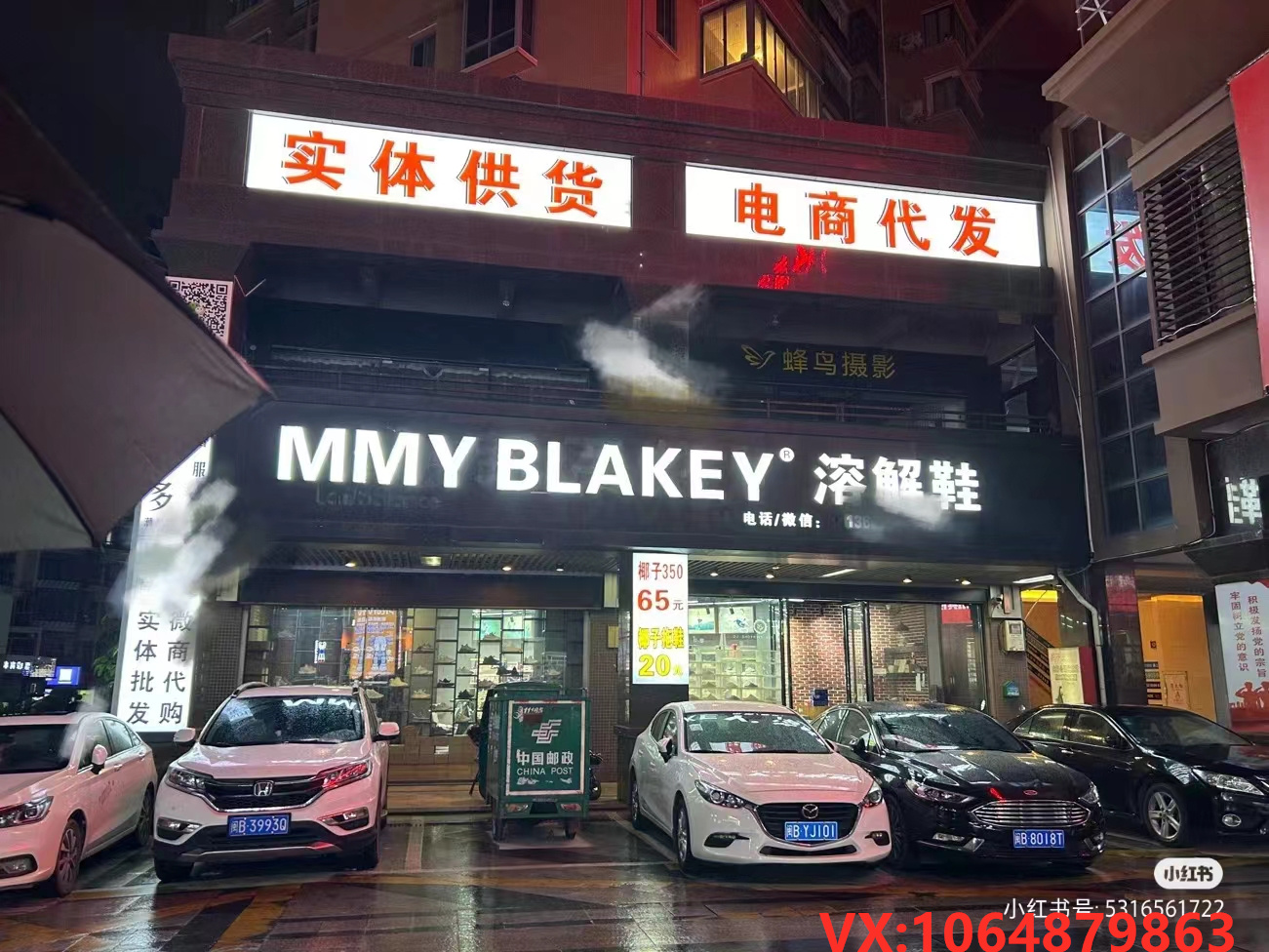
 On-site Visits
 Free Sharing
 Avoid Scams
 Updated Frequently
 For Reference Only