
Inside the Anfu Market: What Materials Are Actually in Those "Putian Shoes"?
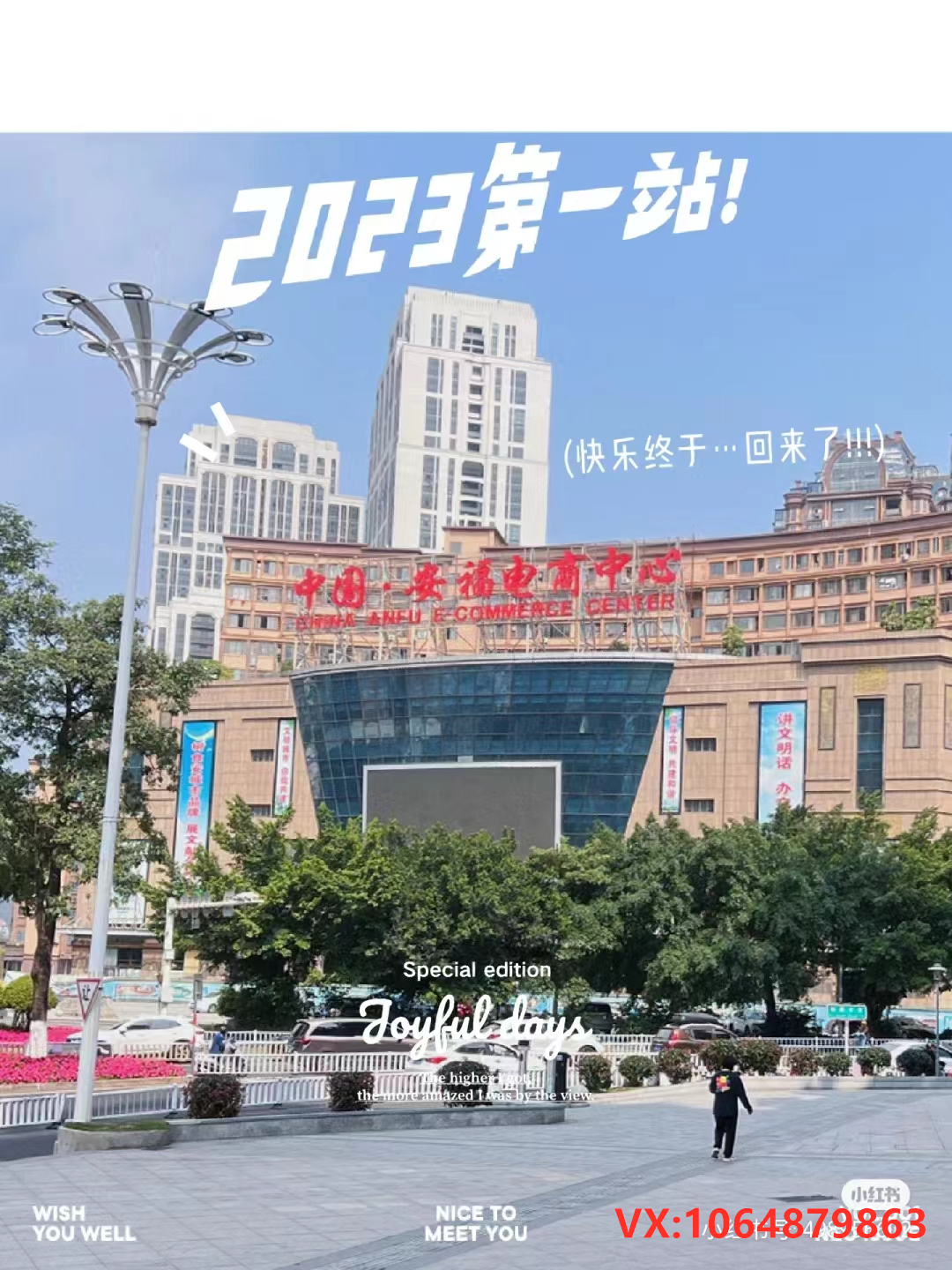
Welcome to the real deal. I've been standing behind a counter in the Anfu Electronic Commerce City for over fifteen years, watching thousands of pairs of sneakers walk through my door every single day. You might have heard rumors online about Putian shoes being cheap fakes or low-quality knockoffs. Let me tell you something straight from the floor: that is half-true at best. The reality on the ground here is far more complex and nuanced than what you see on social media ads.
When foreign buyers ask me, "What materials are used in Putian shoes?", they aren't just asking about fabric tags. They are asking about quality tiers, sourcing channels, and how to avoid getting ripped off by middlemen who claim to sell "top grade" but deliver garbage. In this market, the material isn't just one thing; it's a spectrum ranging from recycled plastic to genuine Japanese leather, depending entirely on which factory you find and how much you are willing to pay.
The Three Tiers of Material Quality
The Low-End Plastic Factory Runners
First, let's talk about the stuff you see selling for twenty dollars on some sketchy websites. These are the "market goods" produced in small workshops scattered around the outskirts of Putian. The upper material here is usually synthetic PU leather that feels like stiff cardboard after a week of wear. The soles are made from dense, heavy rubber that lacks any shock absorption technology. If you buy these, you are buying a shoe that looks okay in photos but falls apart within days. I don't recommend these to serious buyers because they damage your reputation if you try to resell them as premium products.
The Mid-Range "Copy" Tier
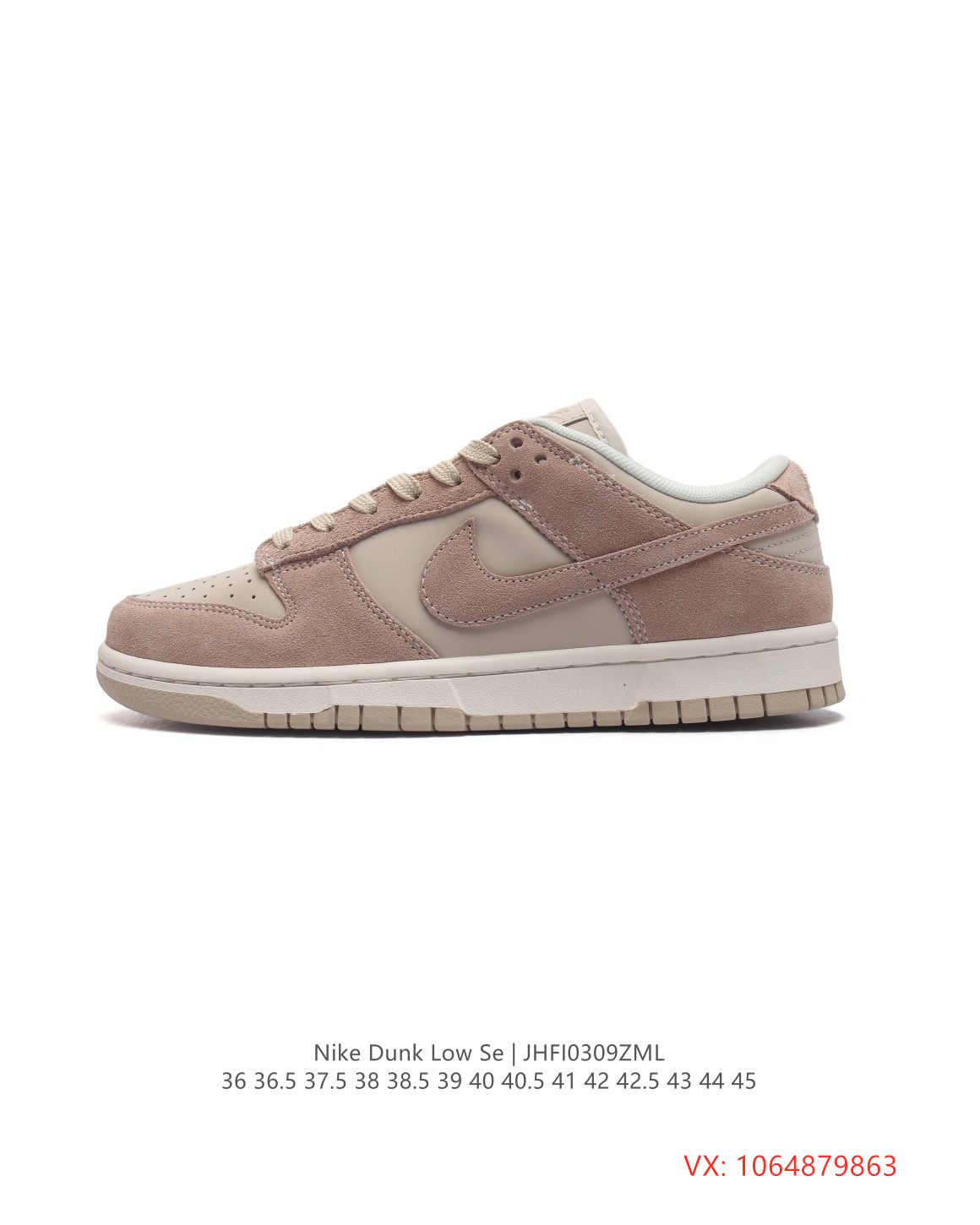
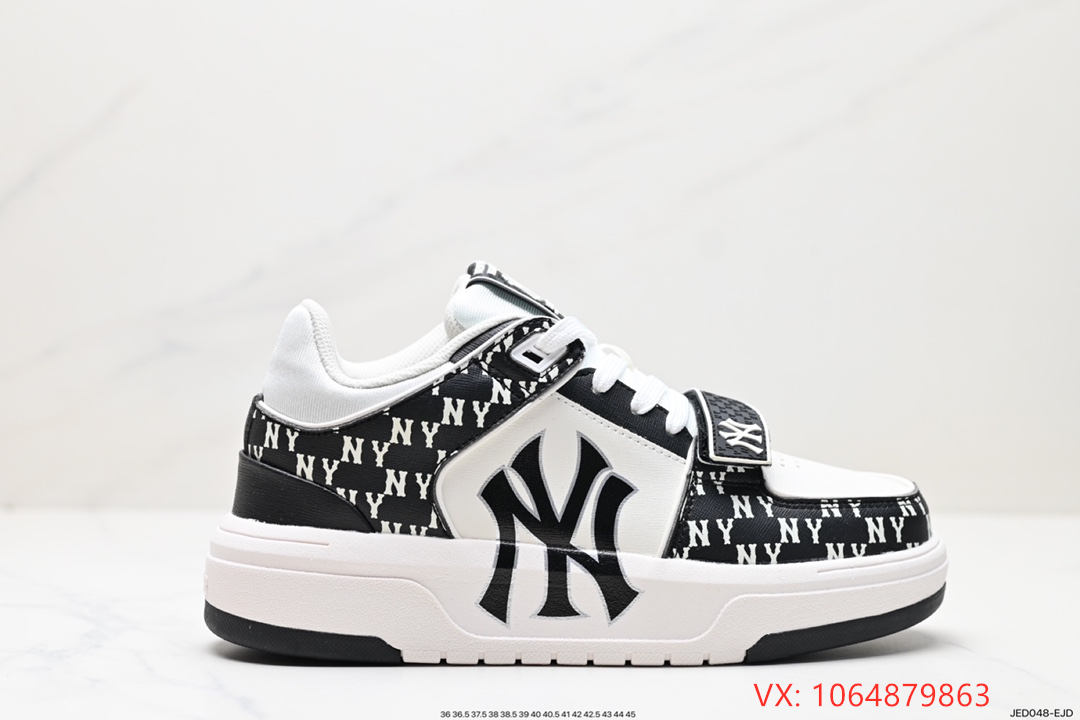
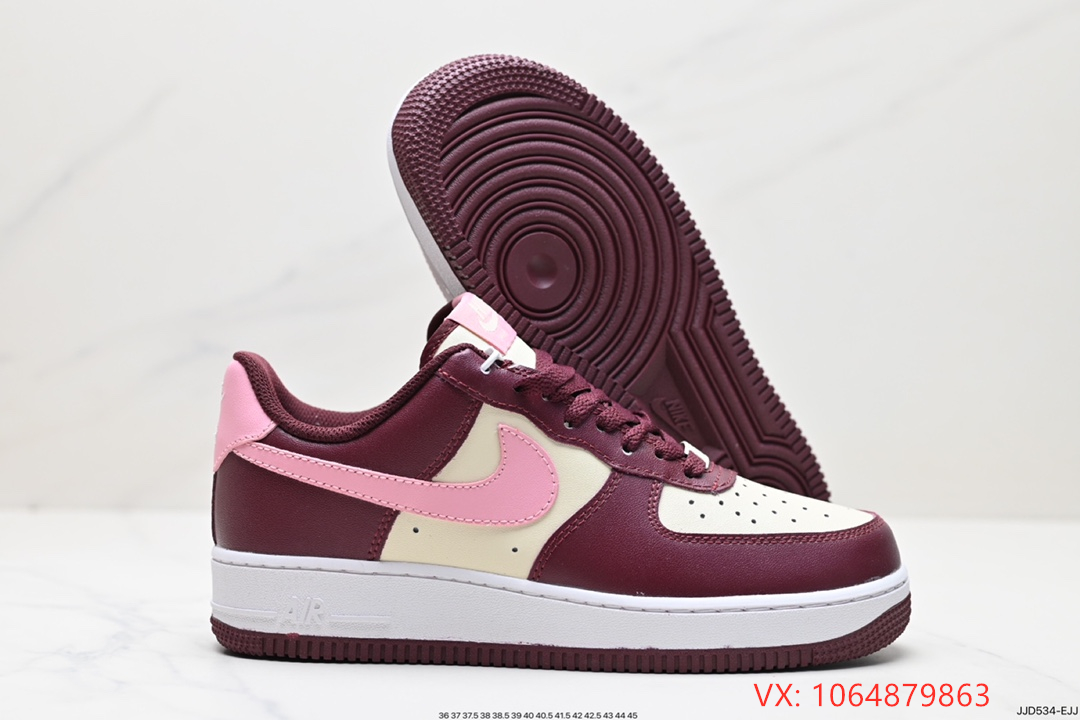
This is wher most of the volume moves. These factories use better synthetic materials that mimic the texture of real suede or mesh. The uppers often come from suppliers in Fujian province who produce materials specifically designed to look like Nike or Adidas stock. The midsoles might use standard EVA foam, which is decent but not as responsive as the original brand's Zoom Air or Boost technology. For many droshippers starting out, this tier offers a good balance between cost and appearance. However, the stitching can be inconsistent, and the glue smell is often strong, indicating lower-grade adhesives.
The High-End "Ultra" and Originals
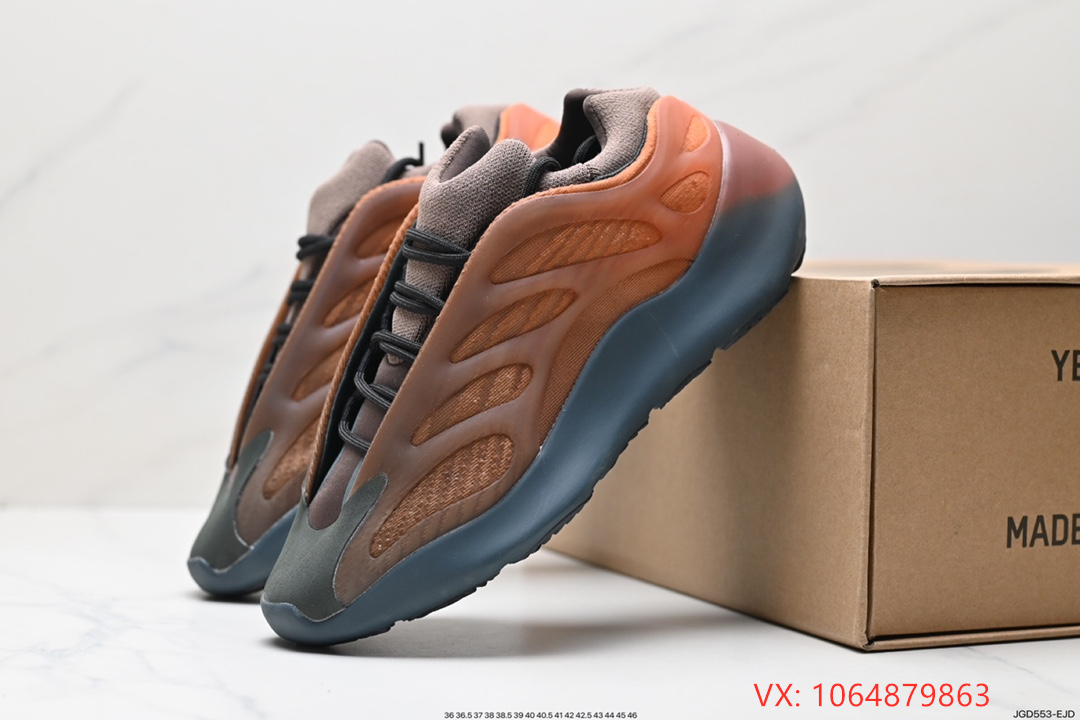
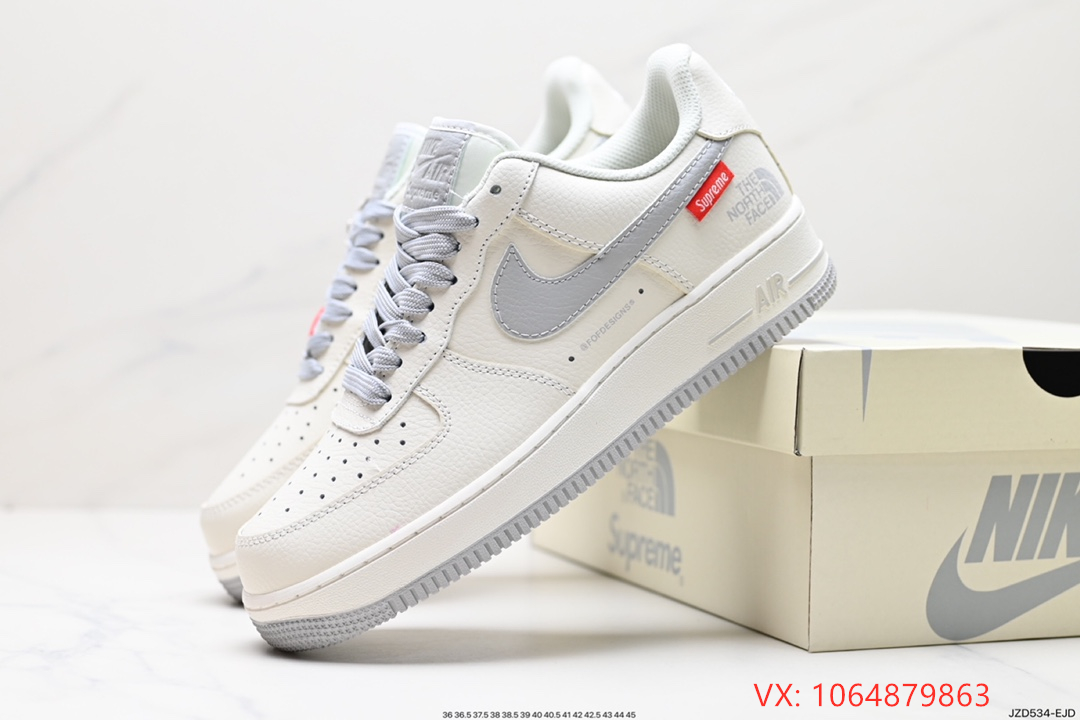
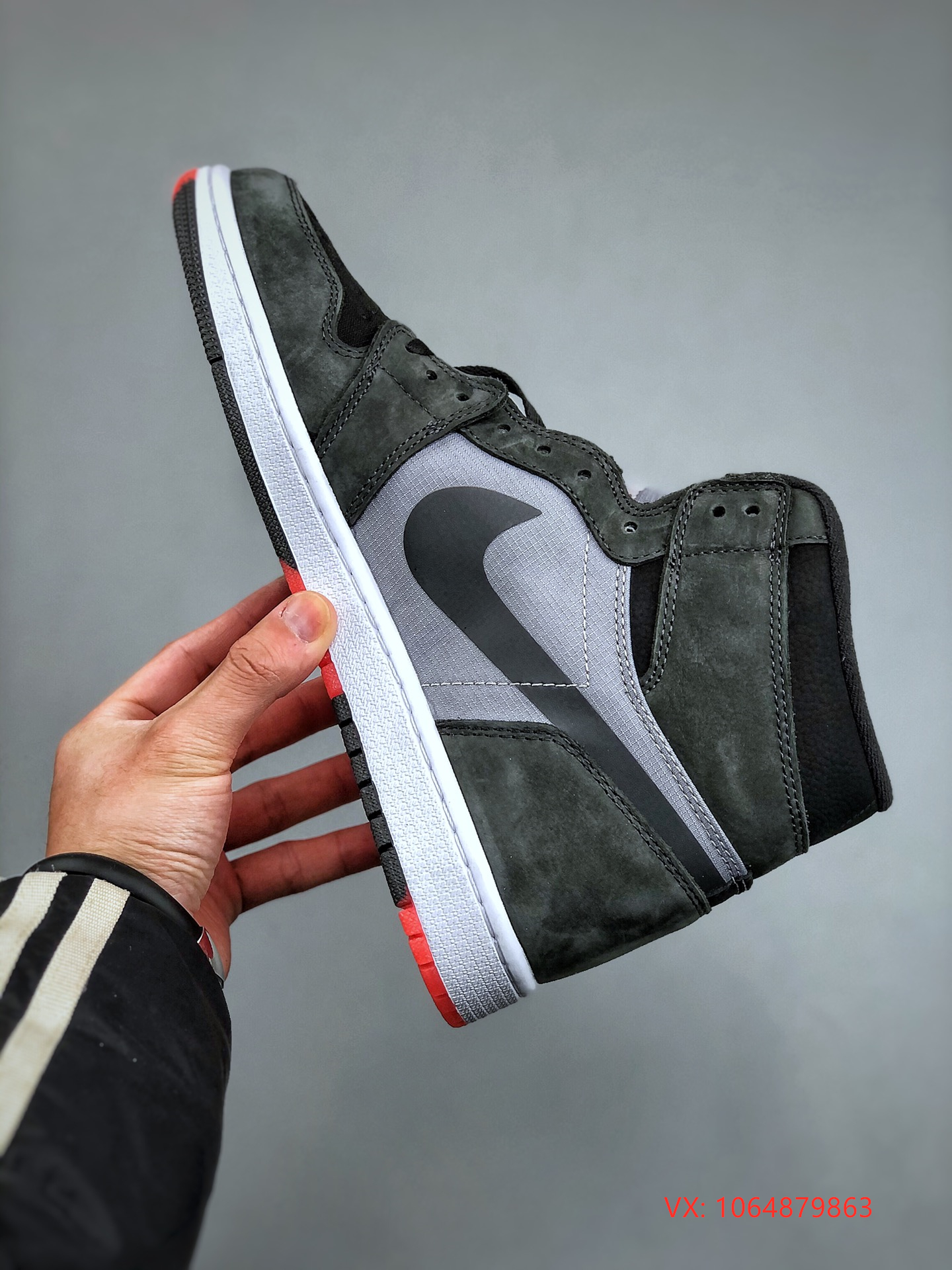
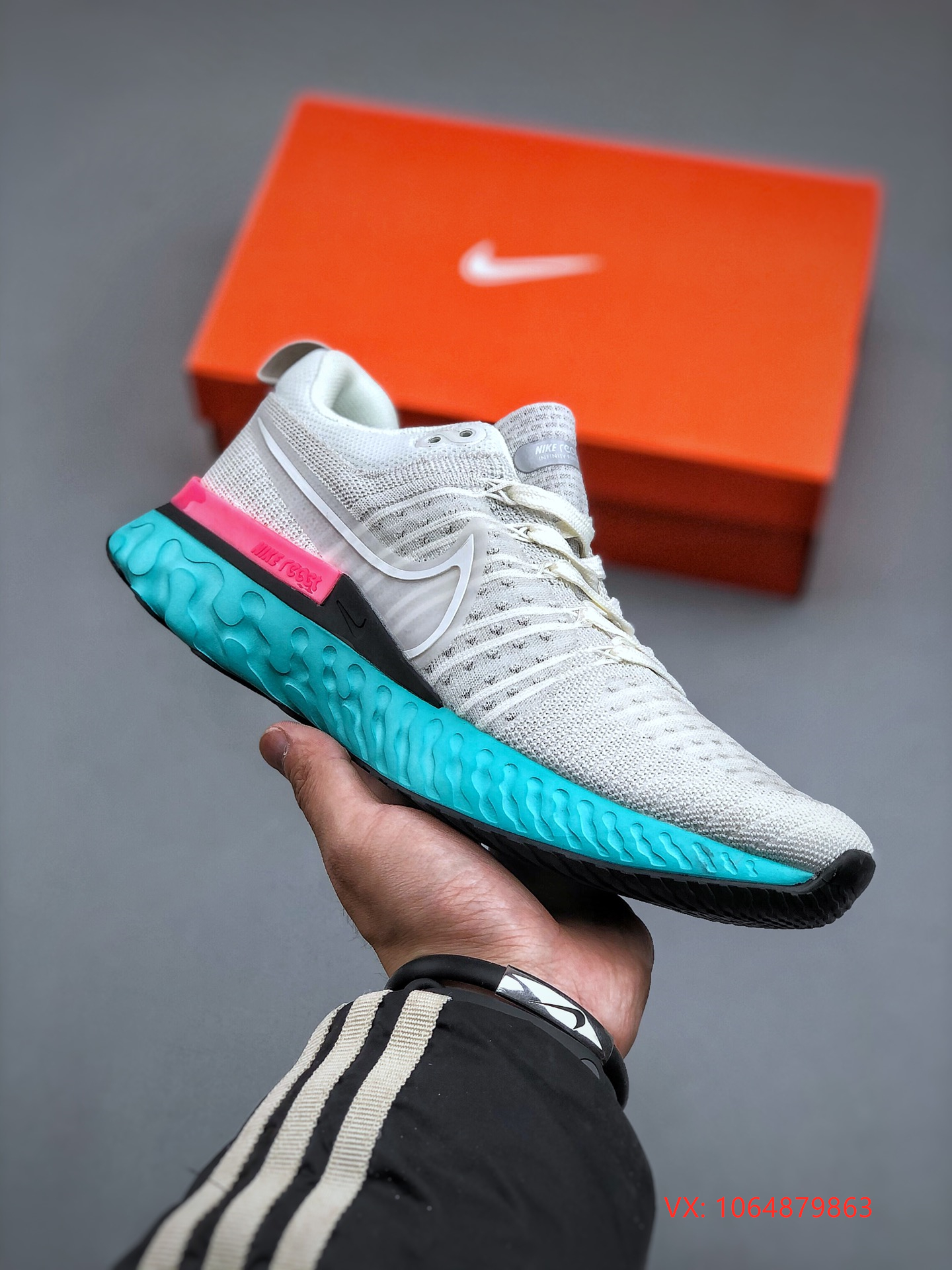
Now, this is the secret sauce. There are factories in Putian that actually produce original equipment manufacturer (OEM) runs for big brands before the official release. These shoes use the exact same materials as the authentic versions. We are talking about Flyknit yarn imported from Italy, Primeknit alternatives that feel identical to the touch, and genuine Nubuck leather sourced from high-end tanneries. The soles here utilize the actual proprietary foam compounds, sometimes even with carbon fiber plates embedded for performance. When I show these to clients, they often struggle to tell the difference without a microscope. This is what we call the "1:1" or "Top Version" tier, and it commands a much higher price point.
Navigating the Physical Market: How to Spot Real Quality
Walking the Floor of Anfu
You cannot learn about materials just by looking at pictures on a screen. You have to get your hands dirty in the Anfu market. The layout is chaotic, with hundreds of stalls packed tightly together. My advice? Don't go to the flashy front counters. Go to the back rooms wher the actual inventory is stored. That is wher the real action happens. Walk into different stalls and ask to see their "high version" samples. A good boss will pull out boxes from under the counter that aren't displayed on the main rack.
When you inspect the shoe, focus on the grain of the leather. Does it breathe? Is the texture consistent across the whole upper? Check the stitching density. Cheap materials often have loose threads or uneven spacing. Feel the sole flexibility. If it bends too easily or feels brittle, the rubber compound is likely inferior. Trust your senses more than the seller's words. If a seller pushes hard to sell you a pair without letting you inspect it closely, run away.
Sourcing Strategies for Foreign Buyers
Bypassing the Middlemen
One of the biggest mistakes foreign buyers make is dealing with agents who claim to represent multiple factories. These middlemen add a markup and often hide the true source of the product. Instead, try to connect directly with the factory owners or the main distributors inside the market. Many of them speak basic English now, especially those who have been dealing with overseas clients for years. Use platforms like WhatsApp or WeChat to establish contact, but always insist on video calls to see the actual stock.
When negotiating, be specific about the materials you want. Ask for the origin of the leather or the type of foam used in the sole. If they hesitate or give vague answers, they are likely trying to pass off a lower-tier product as a premium one. Building a relationship takes time, but once you find a reliable supplier, they will prioritize your orders and send you updats on new material batches before anyone else knows about them.
Avoiding Common Pitfalls in Procurement
The "Fake Box" Trap
Another issue I see constantly is the packaging. Some sellers include fancy boxes and extra laces to make the product look premium, even if the shoe itself is made of cheap plastic. Do not judge the quality by the box. Open the shoe and check the internal lining. Is it soft? Does it have proper arch support? Also, be wary of "ghost boxes" wher the box is real but the shoe inside is a different model or a lower quality batch. Always verify the SKU number and the barcode against the physical item.
Shipping and Customs Risks
Finally, consider the logistics. Shipping large quantities of footwear from China requires careful planning. Make sure your supplier uses reputable couriers that can handle customs declarations properly. Declaring the value correctly is crucial to avoid seizures. Many buyers lose their entire shipment because they tried to undervalue the goods too aggressively. Work with your supplier to create accurate invoices that reflect the true nature of the transaction while staying within legal limits.
In conclusion, the world of Putian shoes is vast and varied. From the basic synthetic runners to the high-end replicas using premium leather and advanced foams, there is something for everyone. But success lies in your ability to distinguish between the tiers and build trust with the right partners. Come to the market, touch the materials, and do your homework. That is the only way to win in this business.

 On-site Visits
 Free Sharing
 Avoid Scams
 Updated Frequently
 For Reference Only