
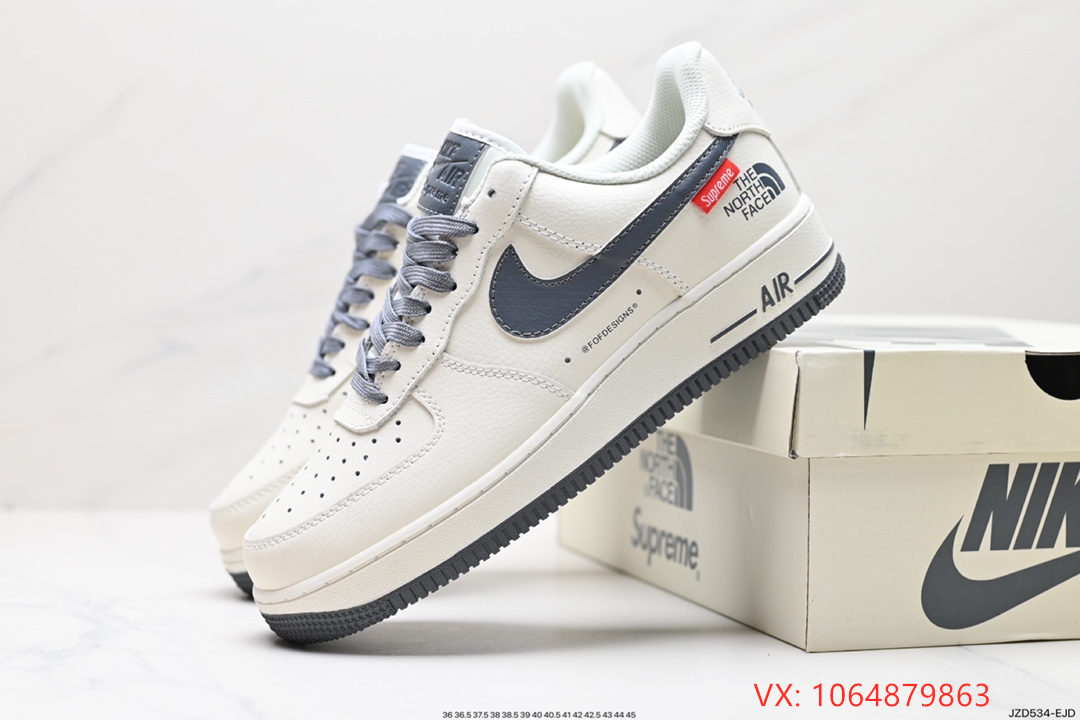
Why "How Many Stitches" is the First Question Foreign Buyers Ask
Welcome to Anfu, the beating heart of the sneaker world in Putian. I've been standing behind this counter for over fifteen years, watching thousands of foreigners walk through these doors with a mix of excitement and confusion. You know that look? The one wher they hold up a phone showing a picture of a $180 retail shoe and ask me, "How many stitches on the toe box?" or "What's the stitch count per inch?" It's funny because, honestly, if you are asking about "how many stitches," you are already thinking like a pro, even if you don't realize it yet.
In the West, people think we just print logos on cheap rubber. That is not how it works here. When you talk to a real local boss like me, we don't just sell shoes; we sell precision. The question about stitch counts isn't just about math; it's about quality control, durability, and whether you are looking at a "high copy" or a "super fake." Let me tell you what really happens when you come down to the market floor and try to find the right supplier.
Navigating the Chaos of Anfu Market: A Local's Guide
The Reality of Walking the Floors
First off, forget Google Maps. It won't get you to the best spot. Anfu is a maze of underground malls and side streets. When you arrive, you need to be ready to walk. The noise is deafening, the air smells like glue and fresh rubber, and every stall looks exactly the same from the outside. This is why most new buyers fail. They stop at the first shop they see. My advice? Walk past the flashy signs. Go deeper into the back alleys wher the real factories have their showrooms.
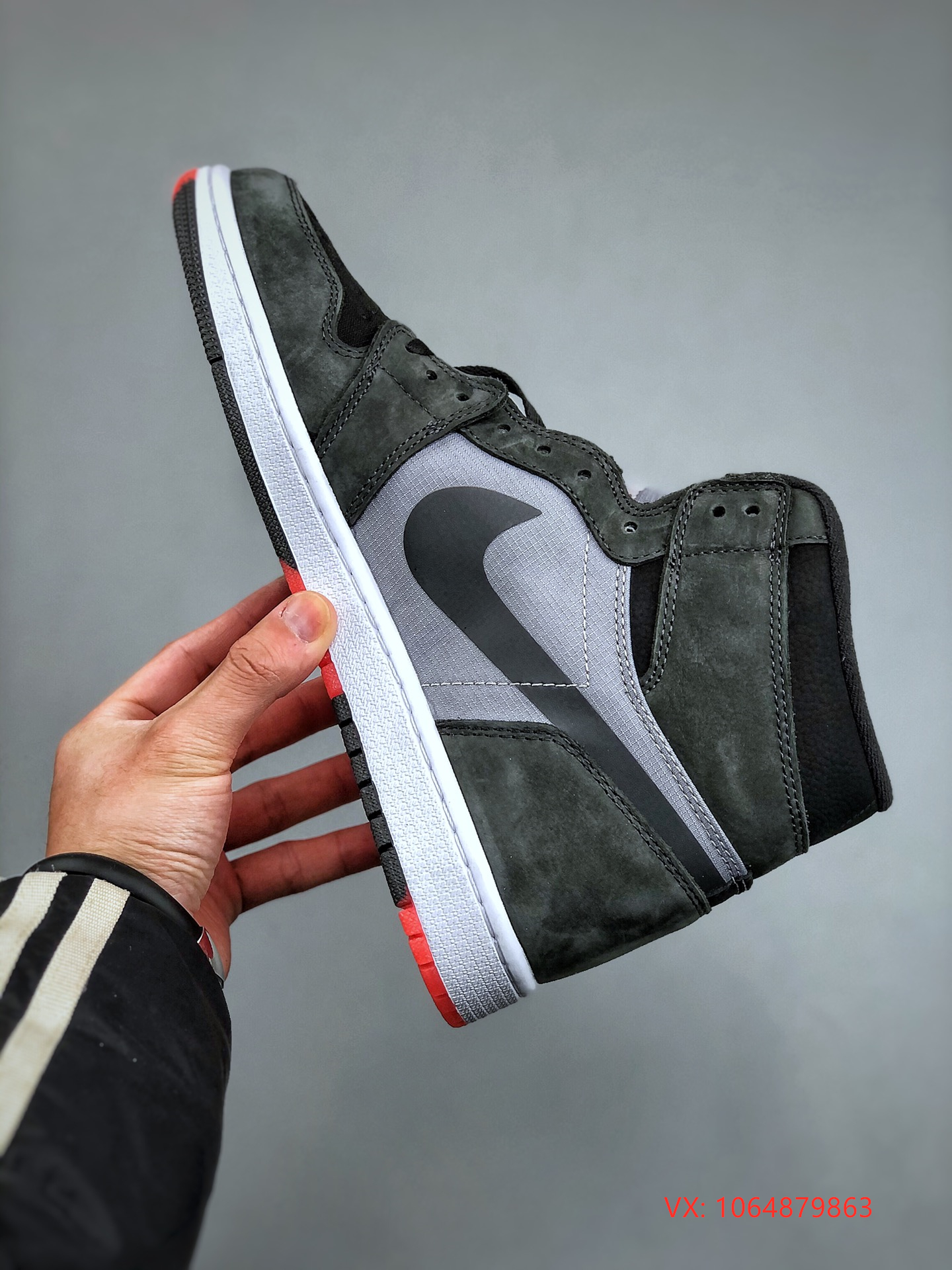
When you are standing in front of a rack of Air Jordans or Yeezys, do not just touch them. Look at the stitching. In the industry, we call this the "needle count." If a seller tells you there are no specific standards, run. A genuine high-end replica, which is what we specialize in, has strict guidelines. For example, a standard Air Jordan 1 usually requires around 14 to 16 stitches per inch on the toe cap to ensure the leather doesn't peel. If you see loose threads or uneven spacing, that is a sign of a low-quality factory machine that hasn't been calibrated. We use Japanese machines here, and they are precise. If you are sourcing for your own brand or a serious reselling business, you need to verify this immediately.
Building Trust with the Factory Boss
Here is the secret sauce: trust. Foreigners often come in with a list of questions but no relationship. They treat us like vending machines. But in Putian, business is personal. When I meet a buyer, I don't just show them the shoes on the shelf. I take them to the back room wher the samples are being made. I point out the difference between a "market version" and a "top version." The top version is what we make for our VIP clients who care about the stitch density.
You will hear terms like "1:1 quality" or "original mold." These are marketing buzzwords, but they mean something specific to us. When you ask about the stitch count, you are testing my knowledge. If I can pull up a sample and say, "See this curve? We use 15 stitches here to match the original mold perfectly," you know I am legit. If I start talking about prices without mentioning the craftsmanship, I am probably a middleman trying to flip your order. Always look for the person who knows the technical specs of the shoe, not just the price tag.
The Technical Deep Dive: Stitching Standards and Quality Control
Understanding Needle Density and Durability
Let's get technical because this is wher you save money. The number of stitches directly correlates to the lifespan of the shoe. In the US, customers complain about soles peeling or leather cracking after a few months. Why? Because the stitching was too sparse to hold the structure together under stress. In our workshops, we enforce a rule: the toe box must have a minimum of 14 stitches per centimeter. This ensures that the tension is distributed evenly across the leather.
If you are importing bulk orders, you cannot rely on photos sent via WhatsApp. Those images are often edited to hide flaws. You need to request a video inspection. Ask the supplier to zoom in on the heel counter and the midsole stitching. Count them yourself. If the video is blurry, send it back. We want you to be happy because happy buyers come back for repeat orders. We also check the thread type. High-quality nylon thread is used for the main seams because it resists stretching. Cheap polyester thread breaks easily. This is a detail that separates the $30 shoes from the $80 ones.
Common Pitfalls for Overseas Buyers
I have seen so many buyers get burned by trying to cut corners. They ask for the cheapest price and expect the highest quality. That is impossible. If you ask for a shoe with 20 stitches per inch on a model that only needs 14, you might be paying for unnecessary labor costs, or worse, you are getting a shoe that is too stiff to wear comfortably. Conversely, if you accept 10 stitches, the shoe will fall apart in two weeks.
Another big mistake is ignoring the "mold" aspect. The shape of the shoe determines how the stitches sit. If the mold is wrong, even perfect stitching will look ugly. We have molds for almost every popular model, but some factories use old molds that are slightly off. When you visit us, bring a reference pair if you have one. Compare the angle of the stitching lines. Are they parallel? Do they follow the curve of the shoe? This is the kind of attention to detail that gets you the best deals. Don't be afraid to negotiate. If you show me you know what you are talking about regarding stitch counts and materials, I will give you a better price than the guy next door.
Final Thoughts: Your Success Starts with Real Knowledge
So, to answer your question directly: there is no single magic number for "how many stitches" because it depends on the model, the material, and the intended durability. But generally, for premium sneakers, you should expect a dense, consistent stitch pattern that feels tight to the touch. If you are looking for "Putian shoe wholesale," "Anfu market suppliers," or "high quality replica sneakers," remember that the best deals are found by those who understand the product.
Don't just buy online. Come to Putian. See the dust, smell the glue, and talk to the people who actually make the shoes. When you stand in my shop and we discuss the needle count, the thread tension, and the mold precision, you aren't just buying a product; you are building a partnership. That is how you succeed in this market. Whether you are a small reseller or a large distributor, the key is to focus on quality details like stitching before you ever worry about the final price. That is the Putian way, and that is how we keep our business alive year after year.

 On-site Visits
 Free Sharing
 Avoid Scams
 Updated Frequently
 For Reference Only